25.1 Molybdenum in plant nutrition
Molybdenum (Mo) is an essential component of only two major enzymes in plants; nitrogenase and nitrate reductase. Nitrogenase is the enzyme that enables the fixation of N₂ to NH₃ by N-fixing organisms. It therefore of critical importance for the symbiotic bacteria found in legumes, and the asymbiotic N-fixing bacteria found in soil; the line formula for nitrogenase is C₇H₁₉Fe₇MoNO₇S₉–₁₂. Nitrate reductase is the enzyme that enables nitrate to be taken up by plants and converted to ammonium (NH₄⁺). Ammonium is used to synthesize many compounds within plants, including amino acids and nucleic acids.
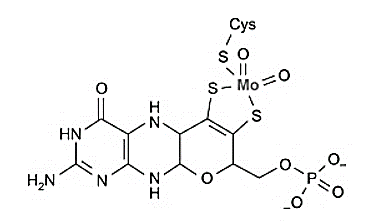
Plants take up Mo in its anion molybdate form (MoO₄²⁻). The uptake of Mo by plants is an active process. Evidence for this is the higher concentrations of Mo in plants that are supplied with nitrate rather than ammonium. Conversion of nitrate to ammonium in plants requires nitrogenase, and therefore Mo. Molybdenum deficiencies are very rare in the USA and completely unheard of in North Dakota, and are similar in symptomatology to a N deficiency. Molybdenum deficiencies are most prevalent in very acidic soil with a low pH. As the pH of the soil increases, Mo availability subsequently increases. The availability of Mo to crops is maximized across the range of soil pH found across North Dakota..
25.2 References for Molybdenum
Coelho, C., & Romão, M. J. (2015). Structural and mechanistic insights on nitrate reductases. Protein Science, 24_(12), 1901-1911. https://doi.org/10.1002/pro.2801
Kaiser, B. N., Gridley, K. L., Brady, J. N., Phillips, T., & Tyerman, S. D. (2005).The role of molybdenum in agricultural plant production. Annals of Botany, 96_(5), 745-754. https://doi.org/10.1093/aob/mci226
ScienceDirect Topics. (n.d.). Nitrate reductase_. In ScienceDirect topics: Agricultural and Biological Sciences.Elsevier.Retrieved July 1, 2025,from https://www.sciencedirect.com/topics/agricultural-and-biological-sciences/nitrate-reductase