Prairie Fare: A bad cold is nothing to sneeze at
I woke up with a sore throat. When I tried to talk, no words came out.
I had taken some cold medicine, but it made my symptoms worse. I decided to rest more during the weekend.
After a month of nearly nonstop travel by plane, bus and car, along with numerous interactions with people in crowded areas, I was officially sick. I think my lack of sleep during my travels played a big role. I never sleep well away from home.
As the weather chills and people spend more time indoors around others, most of us will get a cold. Unfortunately, a cure for the common cold does not exist.
A cold is a respiratory infection caused by a virus. According to the Centers for Disease Control and Prevention, most adults get about two colds a year. More than 200 viruses can cause colds, and rhinoviruses are the most common.
Colds often feature congestion, coughing, sneezing, a runny nose or a sore throat. Most of the time, colds go away within 10 days.
Sometimes, a cold can lead to complications such as ear or sinus infections. More serious respiratory illnesses, including bronchitis or pneumonia, can also develop, and these require medical intervention.
We all need to protect our immune systems to help fight the germs that we encounter. Let’s see what you know as we prepare for the cold season and winter ahead.
- True or false? You can get a cold any time of the year.
- Vitamin C is an antioxidant in many foods that nourish our immune system. Besides oranges, orange juice and other citrus fruits, what are two other good sources of vitamin C?
- True or false? Drinking warm, caffeinated beverages such as coffee can reduce the length of a cold.
- Zinc is good for our immune system, and some studies have linked zinc lozenges with potentially reducing the length of a cold. What are two foods that provide zinc naturally?
- Vitamin A is linked with helping our immune system. What are three vegetables that naturally contain beta-carotene, which our bodies can convert to vitamin A?
- Handwashing is considered a primary way to reduce our risk for infections. Let’s review the pandemic rules: How long should we wash our hands?
Here are the answers.
- True. Unfortunately, colds can affect us during any season.
- Vitamin C is found in bell peppers, broccoli, strawberries, kiwi and others.
- False. While warm beverages are good for soothing your throat, caffeine-containing beverages can be mildly dehydrating. Try a cup of herbal tea.
- Meat, poultry, seafood, dairy products, beans and nuts are among the good sources of zinc.
- Carrots, winter squash, sweet potatoes, kale and broccoli are among the many natural sources of vitamin A.
- Wash your hands for at least 20 seconds.
When you are sick, eating a nutritious diet rich in protein, fluids, vitamins and minerals – along with plenty of rest – can help your body fight the illness.
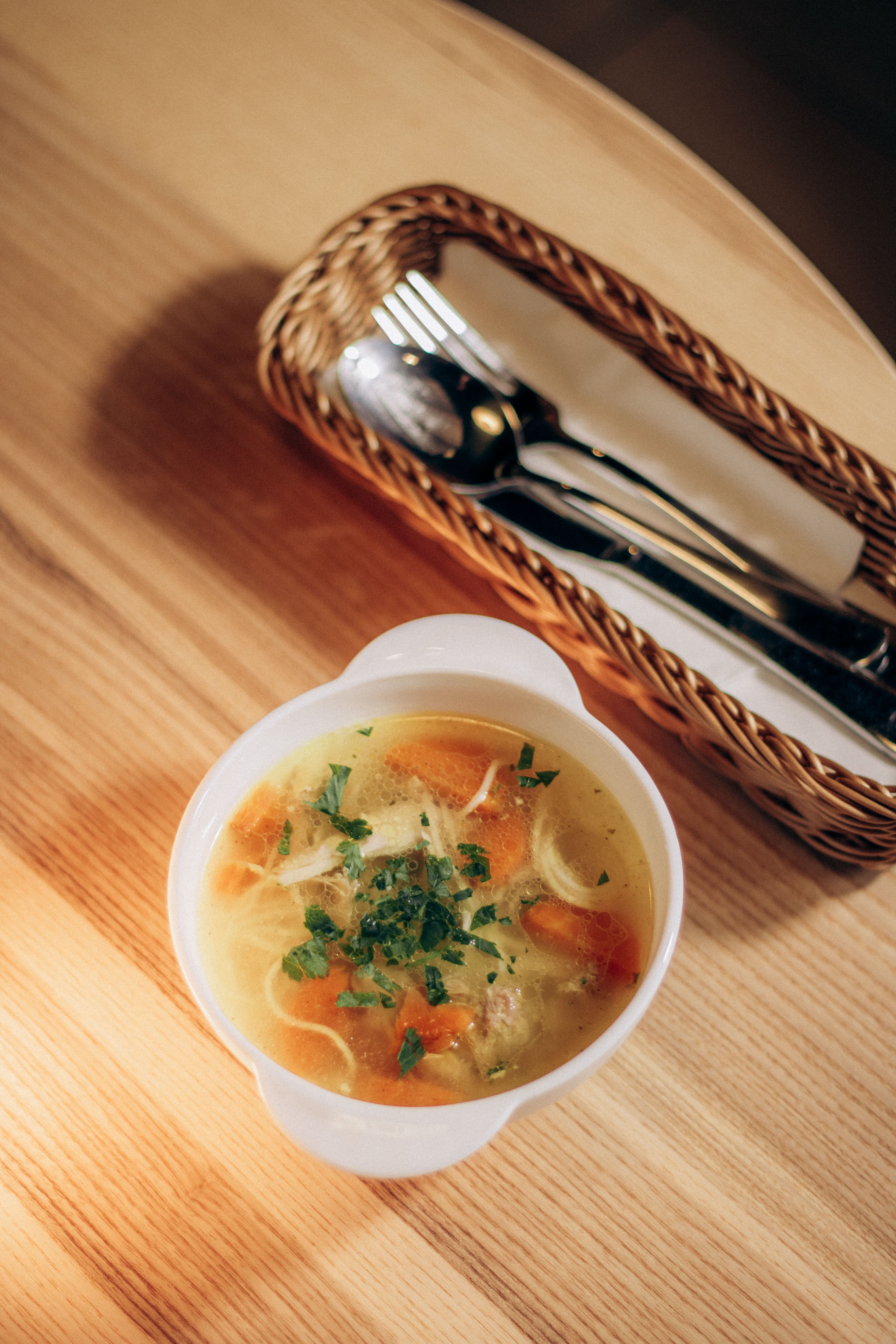
This easy recipe is courtesy of Iowa State University Extension. It’s even better if someone makes it for you. Looking for more soup recipes, visit www.ag.ndsu.edu/food and search for more soup recipes.
Homemade Chicken Noodle Soup
1 pound chicken (boneless, skinless)
2 cups water
4 cups reduced-sodium chicken broth
1 cup celery, sliced (about 2 large stalks)
2 cups carrots, pared and sliced (about 4 large carrots)
1 cup onion, diced (1 medium onion)
1 teaspoon garlic powder
1 teaspoon ground black pepper
2 cups whole-wheat egg noodles
½ teaspoon dried parsley or chives (optional)
Place chicken, water and broth in a large saucepan. Heat over medium heat and bring to a boil. Cook until chicken reaches 165 F (about 15 minutes). Do not overcook, or the chicken can become tough. Stir occasionally. While chicken cooks, rinse and cut celery, carrots and onion. Remove chicken from broth and shred with a fork, or cut into small pieces. Add remaining ingredients and bring to a boil, then cook for 10 minutes, until vegetables are tender. Add noodles and cook according to package instructions (about 8 minutes). Sprinkle with dried parsley or chives if desired.
Makes five servings. Each serving has 220 calories, 4.5 grams (g) fat, 22 g protein, 23 g carbohydrate, 4 g fiber and 480 milligrams sodium.
(Julie Garden-Robinson, Ph.D., R.D., L.R.D., is a North Dakota State University Extension food and nutrition specialist and professor in the Department of Health, Nutrition and Exercise Sciences.)
NDSU Agriculture Communication – Nov. 5, 2026
Source: Julie Garden-Robinson, 701-231-7187, julie.garden-robinson@ndsu.edu
Editor: Dominic Erickson, 701-231-5546, dominic.erickson@ndsu.edu