Prairie Fare: When should you modify a recipe?
“Did you use a recipe?” my husband asked.
I didn’t appreciate the tone of his question.
“I loosely followed a recipe,” I replied.
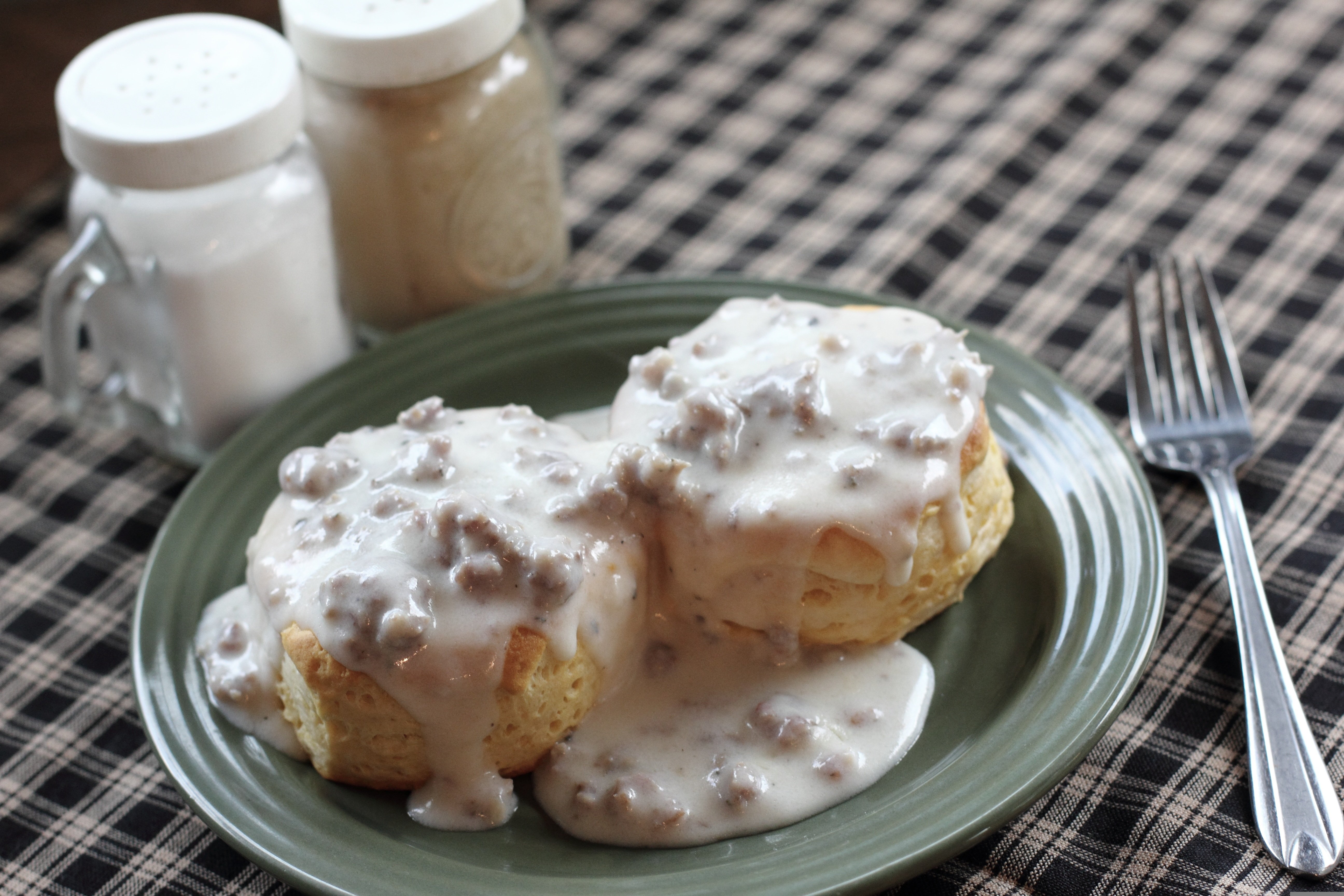
I had made biscuits and sausage gravy, a food he had grown up eating. I didn’t like the gravy as thick as he made it.
We compromised, and the next time I adjusted the gravy thickness a little. Maybe he is the one adjusting.
I just returned from a conference in a southern state, where biscuits and gravy was an option on most menus.
When you think of southern-style cooking, what comes to mind? In my travels outside the Midwest, I have discovered that I like collard greens, shrimp and grits, barbecued pork, fried chicken and cornbread.
I managed to pick up three more cookbooks for my collection, including one on Southern dinners. Sometimes, our regional favorites from coast to coast can be fairly high in calories.
When might you modify recipes? If you are on a special diet in which you have been advised to decrease calories, fat, sugar or sodium, you can make some changes that affect the nutritional profile of the diet. You might be preserving your long-term health.
Think about how often you eat the food. We do not have biscuits and gravy very often in my house, so I do not make many modifications anymore.
Do you eat a large amount of the food? If you are having a small portion or only eat the food once in a while, leave it as is – especially if you are making a relative’s recipes. You do not want to spoil the memory of a recipe from years past.
Here are some tips to reduce calories and fat content in recipes, if that is a goal.
- In baked goods such as muffins and quick breads, reducing the fat by one-fourth probably will not change the texture. If you are making a fancy cake, leave it as is, or you could affect the chemistry of the ingredients.
- After making soup, chill it and then skim the hardened fat that floats to the top.
- Try baking, broiling, grilling or steaming.
- If a recipe calls for heavy cream, replace some of the cream with half and half or evaporated skim milk.
- Drain ground meat after browning. A slotted spoon is your friend.
If you have a sweet tooth, you can successfully reduce sugar in quick breads, fruit crisps and most pie fillings.
- Add extra vanilla or cinnamon to give the impression of sweetness.
- Try reducing the amount of granulated sugar by about one-fourth. Avoid substantially reducing sugar in yeast breads because the yeast relies on sugar during the rising process.
If you have been advised to reduce sodium in your diet, try these tips:
- Read and compare nutrition labels. Choose lower-sodium options such as frozen or fresh vegetables instead of canned.
- Drain the liquid from canned beans and vegetables, and rinse them under running water.
- Use herbs and spices without salt. Garlic powder and onion powder are sodium free.
During my travels, I tried some tasty Southern-style fried green tomatoes. If you still have green tomatoes on the vines, consider this recipe, slightly modified from allrecipes.com. Heat the oil as directed to avoid absorbing excess oil and drain the tomatoes on paper towels. You can also try air-frying the slices.
Fried Green Tomatoes
4 green tomatoes, cut into ¼-inch slices
Salt and ground black pepper to taste
1 cup all-purpose flour
1 teaspoon salt
1 teaspoon ground black pepper
1 cup buttermilk
1 cup cornmeal
1 teaspoon dried parsley
1 teaspoon paprika
½ teaspoon cayenne pepper (if desired)
2 cups canola oil, or as needed
Cajun ranch dressing (as dip)
Season tomato slices with salt and pepper. Combine flour, 1 teaspoon salt and 1 teaspoon black pepper in a shallow bowl. Pour buttermilk into a second, separate shallow bowl. In a third bowl, combine cornmeal, parsley, paprika and cayenne pepper (if desired). Dredge the tomatoes in the flour mixture to coat, then dip in buttermilk and press both sides in the cornmeal mixture to coat. Heat oil in a Dutch oven or deep fryer to 350 F. Place the tomato slices in the hot oil and brown for 2 to 3 minutes, until they float. Drain on paper towels. Alternatively, fry in an air fryer, but spritz the tops with olive oil at the start and before flipping.
Makes five servings. An accurate nutritional determination would require lab testing because of the frying process. Just enjoy this as a special treat.
(Julie Garden-Robinson, Ph.D., R.D., L.R.D., is a North Dakota State University Extension food and nutrition specialist and professor in the Department of Health, Nutrition and Exercise Sciences.)
NDSU Agriculture Communication – Oct. 8, 2026
Source: Julie Garden-Robinson, 701-231-7187, julie.garden-robinson@ndsu.edu
Editor: Dominic Erickson, 701-231-5546, dominic.erickson@ndsu.edu