

Genetic Research Supports Long-Term Stewardship of North Dakota’s Elk
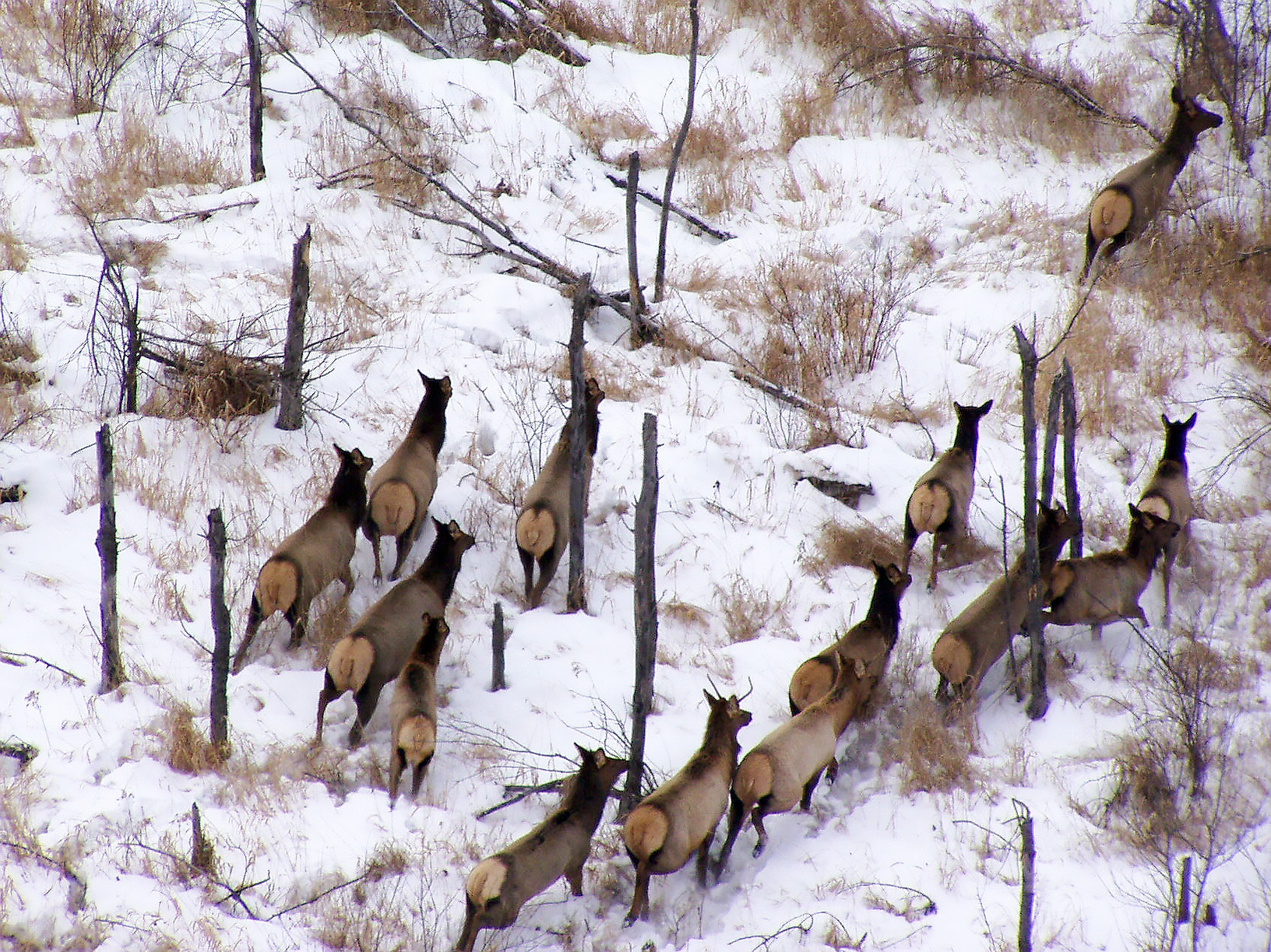
Elk have long been a part of the North Dakota landscape and continue to play an important role in the state today. They are part of the state’s $1.5 billion hunting economy and help maintain healthy ecosystems across the regions where they live, supporting seed dispersal, vegetation structure and soil fertilization.
Ensuring that elk remain a sustainable part of North Dakota’s environment requires careful, science-based management. Research led by Travis Seaborn, North Dakota State University assistant professor of applied ecology, is providing new insights into the health and connectivity of elk herds, information that can help guide wildlife management decisions for decades to come.
The goal of Seaborn’s project is to understand more fully how elk herds in North Dakota are connected to those in southern Manitoba and northwestern Minnesota. His team collaborated with the North Dakota Game and Fish, the Minnesota Department of Natural Resources, and researchers from the University of Manitoba and Memorial University of Newfoundland to monitor the elk herds and their migration. Data from the study will inform wildlife management by identifying genetic structure, migration patterns and herd relatedness.
Small, isolated elk populations, such as those in the Pembina Hills and Turtle Mountains, face risks including inbreeding, loss of genetic diversity and local extinction. Elk are especially vulnerable because of their polygynous breeding system, which limits the number of males contributing to the population’s genetic diversity. Population connectivity — the ability of individuals to disperse and breed outside their natal patch — can reduce these risks, but habitat fragmentation often restricts movement.
The management agencies collected samples and recorded GPS locations for each elk. Using methods similar to those used by Ancestry.com or 23andMe, Seaborn and his team evaluated genomic data from the samples to identify parents and their offspring or siblings among the herds.
NDSU graduate Zachary Whaley contributed to the study through NDSU’s National Science Foundation Research and Mentoring for Postbaccalaureates program.
“Based on our preliminary findings, it seems that the elk population in North Dakota is connected to populations in Minnesota and Manitoba,” says Whaley. “The North Dakota elk population also has genetic diversity comparable to other North American cervids, which is a good sign for the genetic health of the population.”
Seaborn explains that genetic health is important because when genetic diversity is low, problems emerge for the species.
“We found high levels of relatedness across the sampled individuals, including recent inbreeding within herds,” says Seaborn. “We also found first-order relationships between herds, such as parent-offspring. Broadly, there appeared to be three genetic groups and moderate genetic diversity. Because we found connectivity between herds, management actions involving one herd may impact the demographics and health of other herds.”
Together, the findings offer wildlife management agencies clearer insight into how elk herds interact across regions, highlighting the importance of coordinated management across state and international borders.
By combining expertise across university researchers and state and international wildlife agencies, the project helps ensure North Dakota’s elk populations remain healthy, resilient and economically significant. Ongoing monitoring and collaboration will support elk herds that contribute to both the state’s ecosystems and its outdoor heritage for years to come.
“Elk are a really fascinating species that are iconic and hold a tangible cultural relevance,” adds Seaborn. “I don’t think anyone wants them not to be on the landscape anymore.”
For more information contact Travis Seaborn
