
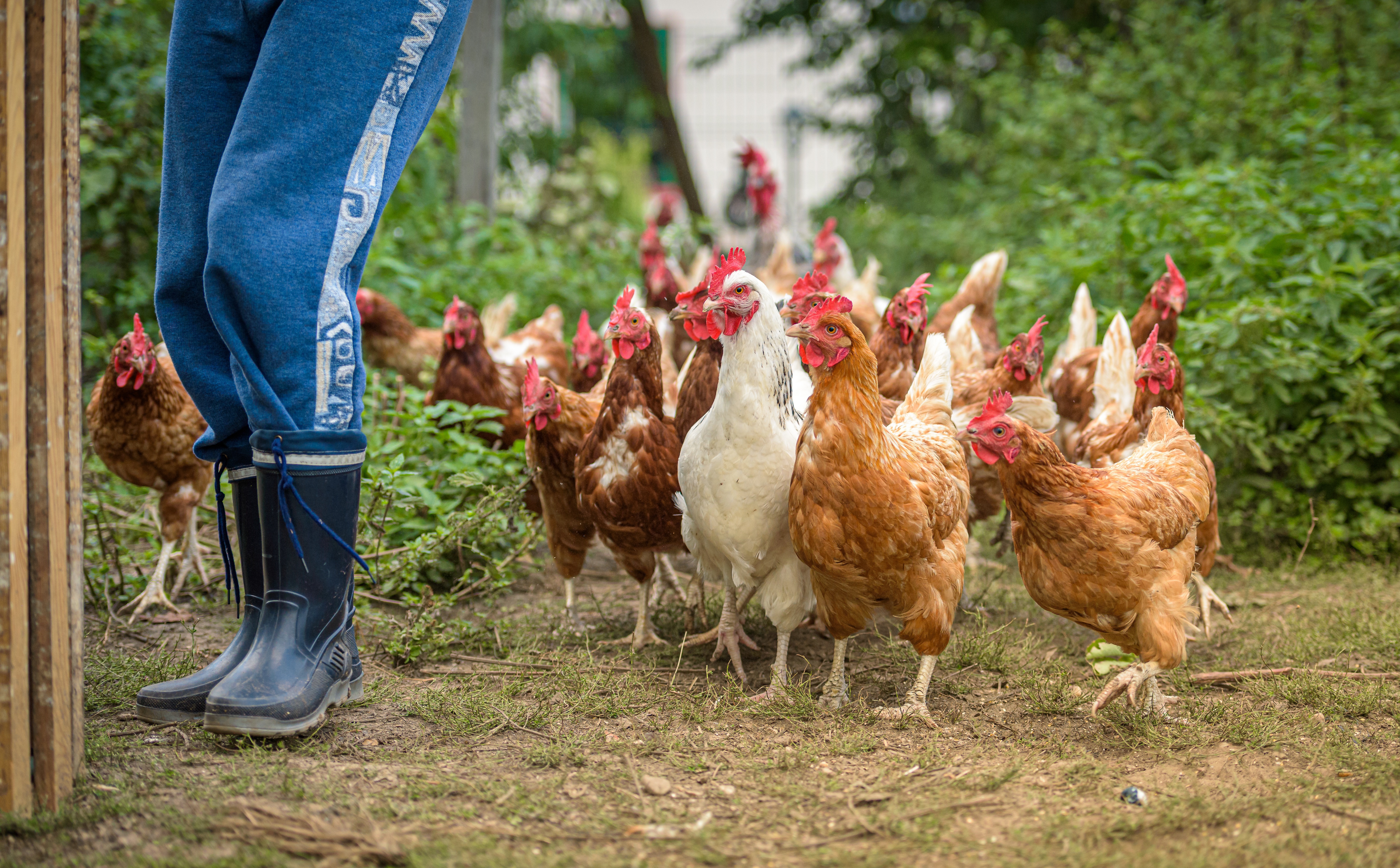
Avian influenza risks increase with fall migration
The fall migratory bird season has arrived, bringing an increased risk of transmission of highly pathogenic avian influenza to domestic birds.
On Sept. 1, a commercial turkey operation in LaMoure County, North Dakota, was confirmed to have HPAI. This is the first recorded case in North Dakota this fall.
Both commercial producers and owners of backyard flocks should review and implement biosecurity protocols to reduce disease transmission from wild birds to domestic birds or livestock, according to North Dakota State University Extension specialists.
“HPAI is a disease carried by wild birds that can affect domestic birds and livestock,” explains Dr. Jake Galbreath, NDSU Extension veterinarian. “Avian influenza is caused by a Type A influenza virus, which is shed in feces and respiratory secretions of infected birds and can survive for weeks in cool, damp environments.”
Migration can be followed via BirdCast (https://birdcast.info/), an online real-time migration prediction tool.
Biosecurity in domestic flocks
Most cases in domestic animals involve poultry and dairy cattle. However, cases have been documented in other mammals, such as goats and pigs. Cats can develop severe, fatal illness if exposed.
For reducing transmission between wildlife and domestic birds, Dr. Galbreath recommends the following:
- If possible, keep poultry or livestock housed until the risk for transmission has decreased. Nonlethal methods to deter wildlife are available on the U.S. Department of Agriculture Wildlife Service’s nonlethal initiative webpage: https://www.aphis.usda.gov/wildlife-services/about/nonlethal.
- Reduce the attractiveness for wildlife to visit the property by cleaning up litter and spilled feed around domestic flock housing.
- After coming into contact with or handling wildlife, change into clean clothes, wash hands and disinfect footwear before contact with domestic animals.
- Report sick or dead wildlife to the North Dakota Game and Fish Department at https://bit.ly/mortality-report.
- In the event of carcass disposal or handling to reduce potential interactions, follow the appropriate procedures: ndsu.ag/NDSU-HPAI-26.
The best defense against HPAI is having a biosecurity plan in place, according to Mary Keena, NDSU Extension livestock environmental management specialist.
“It is your job as an animal owner to create a line of separation between your clean animals and the potentially unclean issues that wildlife or visitors may bring,” says Keena.
For reducing transmission between domestic animals, Keena recommends the following:
- Restrict access to property and animals. Allow contact from people who care for the animals, but minimize visitors.
- After being near other animals or animal owners — such as at feed stores — clean and disinfect the vehicle and its tires. New animals should be kept separate from the flock or herd for at least 30 days.
- Do not share lawn and garden equipment, tools or supplies with a neighbor or other flock/herd owners.
Biosecurity during fall hunting season
Hunters participating in fall bird and deer season should be aware of the risk of HPAI in wildlife and take steps to prevent transmission to domestic poultry or livestock.
Dr. Galbreath recommends considering implementing the following biosecurity practices:
- Do not haul disease home. After being out walking in fields or wetlands while hunting, be sure to change clothing and footwear before crossing the clean/dirty line to care for animals.
- Do not walk through or drive trucks, tractors or equipment through areas where waterfowl or other wildlife feces may be. If this is unavoidable, clean any footwear, vehicles and equipment thoroughly.
- Field dress game birds when possible to reduce the potential for disease transfer.
- Plucking/skinning should be done in the field, with feathers properly bagged and disposed of before returning to a site with domestic birds.
- Knives, coolers and other equipment should be washed with disinfecting soap away from sites where birds have access and allowed to thoroughly dry.
More information about biosecurity is available on the U.S. Department of Agriculture’s H5N1 Influenza page: https://www.aphis.usda.gov/h5n1-hpai.
While the transmission rate from animals to humans is low, HPAI is a zoonotic disease.
Miranda Meehan, NDSU Extension livestock environmental stewardship specialist and disaster education coordinator, reminds owners that animals testing positive for HPAI are prohibited by law from entering the commercial marketplace.
“Avian influenza is not a food safety issue when consuming properly cooked meat or eggs and commercial dairy products, which are pasteurized,” says Meehan. “However, there is a risk to individuals consuming raw milk, raw milk cheese and other raw dairy products from cattle that have been exposed to HPAI.”
In 2026, six positive HPAI cases in domestic birds or poultry have been reported in North Dakota, with no cases in dairy reported. Report sick birds or livestock to a local veterinarian, or contact the North Dakota State Veterinarian’s office at 701-328-2655.
NDSU Agriculture Communication – Sept. 16, 2026
Source: Jake Galbreath, 701-231-5738, j.galbreath@ndsu.edu
Source: Mary Keena, 701-652-2951, mary.keena@ndsu.edu
Source: Miranda Meehan, 701-219-9251, miranda.meehan@ndsu.edu
Editor: Dominic Erickson, 701-231-5546, dominic.erickson@ndsu.edu
