Prairie Fare: Tomatoes have a twisted history
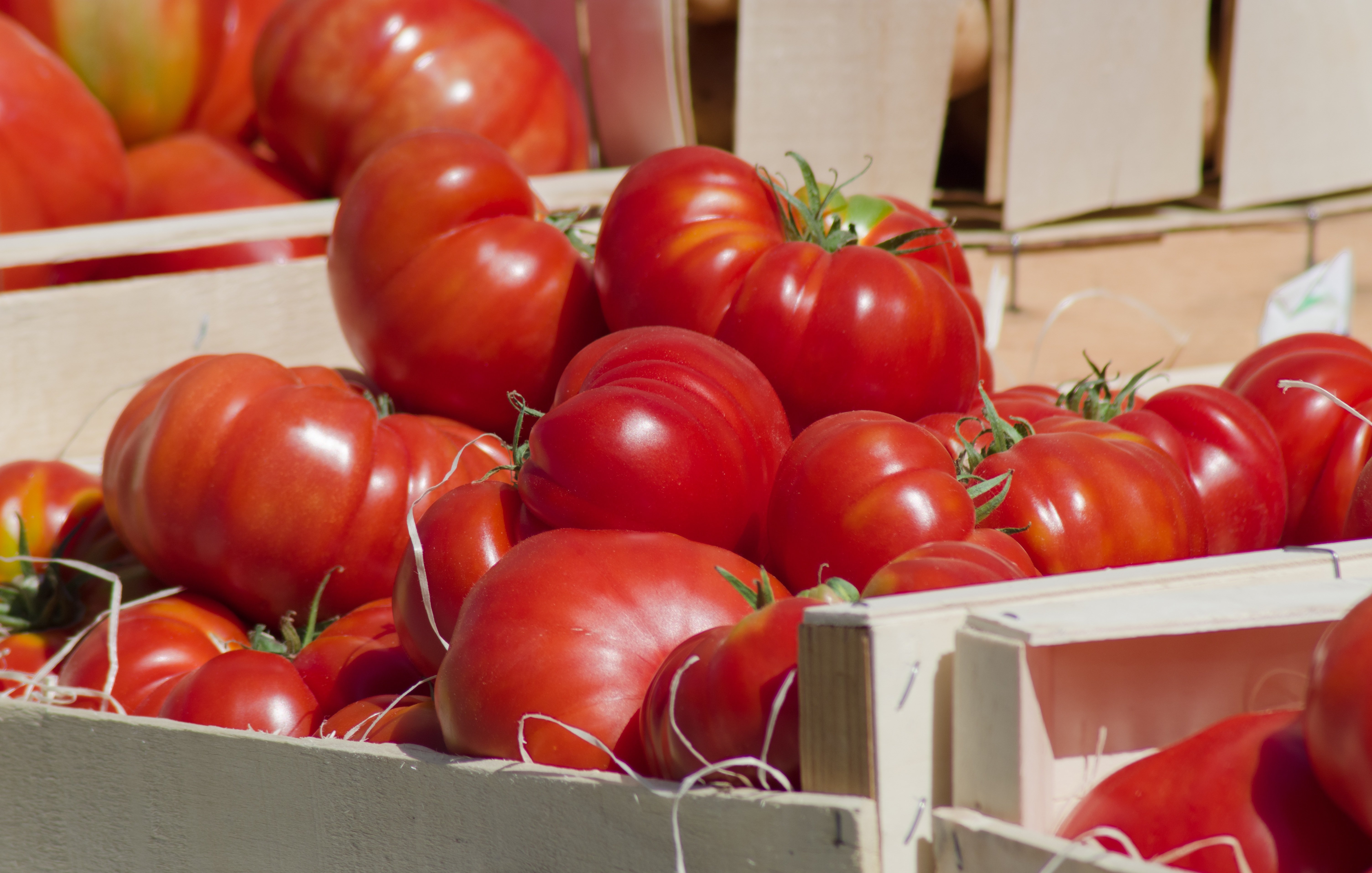
As I perused our local farmers market, I noted that the center aisle was occupied by boxes and boxes of rosy red tomatoes. People were inspired to purchase boxes of tomatoes to freeze, can or eat fresh.
I brought a box of tomatoes home and froze them for later use, because, yes, you can make canned salsa from frozen tomatoes when you have more time. Be sure to include all the juice that inevitably leaks out of the frozen produce – and use a safe recipe.
Remember to acidify all tomatoes for canning. You will need to add bottled lemon juice made “from concentrate” or “reconstituted” in the appropriate proportion to ensure you are properly acidifying the tomatoes for canning. You can also use citric acid.
Tomatoes once grew wild in the Andes Mountains in South America. Early explorers brought seeds back to Europe, where they were used as an ornamental plant because they were thought to be poisonous.
Tomato seeds traveled a long way to get to North America with European colonists in the 1700s.
Although tomatoes were believed to be poisonous in Europe, people of that era were using unsafe materials to store and serve them. Tomatoes are naturally high in acid, so they could leach lead from the dishes. Lead poisoning led to the sickening of many aristocrats and fostered tomatoes’ poisonous reputation.
Tomatoes are a popular food in the U.S. Most of us eat more than 30 pounds of tomatoes annually, according to the U.S. Department of Agriculture’s Economic Research Service.
Beefsteak, Roma, Heirloom, cherry and grape are among the thousands of tomato types worldwide. About 96% of commercially processed tomatoes are grown in California, while other states, including Florida, Indiana, Ohio and Michigan, grow tomatoes commercially.
Are tomatoes fruits or vegetables? A botanist would consider tomatoes to be the “fruit of the vine” because they contain seeds. Nutrition professionals consider tomatoes to be vegetables. The Supreme Court declared tomatoes vegetables in 1893.
If you like salsa, catsup, spaghetti with marinara sauce, bacon, lettuce and tomato sandwiches, or tomato soup, you are among the tomato enthusiasts.
If you have a lot of tomatoes, try them in different ways to nourish your body with vitamin C, fiber and other nutrients that help fight diseases.
- Make some cool soup, such as gazpacho (pronounced guh-spah-choh) with tomatoes, cucumbers, peppers, onion and garlic.
- Slice tomatoes and top the slices with crushed seasoned bread crumbs and shredded cheddar cheese or another cheese of your choice. Top with chopped fresh or dried herbs, such as basil or oregano. Broil until the cheese melts for a tasty side dish.
- Add some thinly sliced tomatoes to pizza, grilled cheese sandwiches or panini sandwiches. Sprinkle with some chopped fresh herbs for extra flavor pizzazz.
- Marinate tomato wedges and cucumber slices in your favorite zesty salad dressing and serve as a side salad.
- Stuff tomatoes with tuna salad or chicken salad and use the insides of the tomatoes to add nutrition to the salad.
Along with multiple uses on your menu, tomatoes can be canned, frozen or dried for winter enjoyment. Wouldn’t homemade tomato juice, spaghetti sauce or chili made with home-grown canned tomatoes be tasty next January?
If you choose to can tomatoes or salsa, be sure to use research-tested recipes, adding the recommended amount of lemon juice and following proper processing times. For more information about food preservation, visit the North Dakota State University Extension website. See www.ag.ndsu.edu/food and navigate to “Food Preservation” then “Can Tomatoes and Tomato Products.”
Here’s an Italian appetizer that's tasty atop toasted bread.
Fresh-from-the-Garden Bruschetta
2 tomatoes, seeded and diced
2 tablespoons red onion, diced
2 tablespoons basil, chiffonade
Zest of ½ lemon
1 tablespoon lemon juice
1 tablespoon olive oil
1 tablespoon Balsamic vinegar
Salt and pepper to taste
Crackers and/or toasted or grilled bread rounds
Note: “Chiffonade” refers to cutting herbs into long, thin strips or ribbons.
Rinse all fresh produce and prepare as directed. Gently mix all ingredients in a bowl to combine, then refrigerate at least 1 hour to allow flavors to blend. Serve with crackers or toasted bread.
Makes four servings. Each serving has 50 calories, 3.5 grams (g) fat, 5 g carbohydrate, 1 g fiber and 5 milligrams sodium.
(Julie Garden-Robinson, Ph.D., R.D., L.R.D., is a North Dakota State University Extension food and nutrition specialist and professor in the Department of Health, Nutrition and Exercise Sciences.)
NDSU Agriculture Communication – Sept. 17, 2026
Source: Julie Garden-Robinson, 701-231-7187, julie.garden-robinson@ndsu.edu
Editor: Dominic Erickson, 701-231-5546, dominic.erickson@ndsu.edu