
Prairie Fare: From campus history to the dinner table — Exploring winter squash
“I like wearing sweaters,” someone said.
“I enjoy the beautiful colors of the leaves,” another person commented.
“I like oven meals with baked potatoes, meatloaf and baked squash,” I added. Yes, I was quite specific.
Several more people added their favorite thing about fall as an ice breaker before a meeting. I don’t think anyone said “pumpkin spice beverages.”
If you like fall, what would you say?
Fall is a transitional time between summer and winter in the Midwest. Not everyone has our distinctive seasons. We can bundle up and enjoy different types of soups and stews before we are compelled to turn on the heat in our homes.
I especially enjoy winter squash, particularly buttercup squash. I didn’t realize until several years ago that I reside on campus where Albert Yeager, the original “plant wizard of the north,” worked for 18 years as a plant breeder. He developed and released the buttercup squash and about 20 other hardy vegetables and fruits in the 1920s and 1930s.
Developing and releasing a new variety that grows well in our environment and tastes good takes upwards of 10 years.
Squash, of course, existed long before that time, but through Yeager’s experiments, he improved the plants using the scientific methods of the time.
Squash is part of the Cucurbita genus. Squash and corn seeds were widely grown by Indigenous tribes through North and South America. Squash was shared with early colonists by Indigenous tribes on the East Coast and became a nourishing part of their diet.
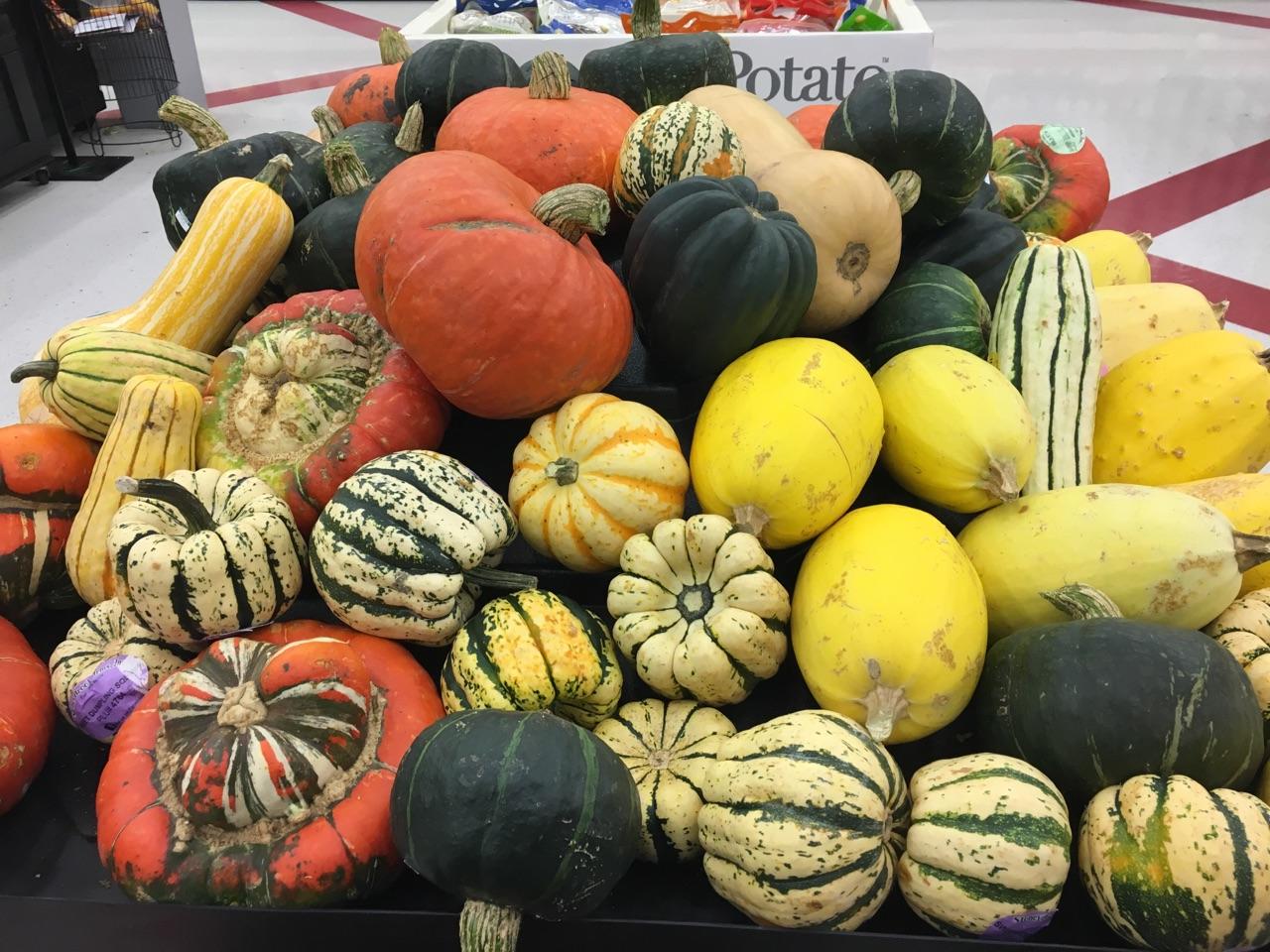
When we visit farmers markets or grocery stores, we may be greeted with a wide range of squash, which vary greatly in color and size. Some squash are oblong, while other squash is round. Their skins can be shiny or bumpy.
Pumpkins, by the way, are a type of squash. Winter squash is interchangeable in recipes. Technically, all these vegetables are the “fruits of the plant.” We in nutrition consider squash vegetables because of the way they are used on menus.
Members of the winter squash family include butternut, buttercup, acorn, delicata, spaghetti and hubbard squash, as well as sugar pumpkins. When stored in a cool, dark, dry place, squash can last for many months. Buttercup squash, for example, can be stored for about five months.
Summer squash includes zucchini and other thinner-skinned varieties, which have a shorter shelf life.
Winter squash, with their dark orange pulp, are excellent sources of beta-carotene, which our bodies convert to vitamin A. This natural pigment is essential for healthy skin and eyes.
Squash is also an excellent source of fiber and potassium. Many of us are short on the mineral potassium, which helps maintain a healthy blood pressure.
Be a little adventurous with winter squash. Visit the North Dakota State University website at www.ag.ndsu.edu/food and navigate to the recipes, such as “Creamy Squash Soup.” You will find recipes such as stuffed squash to inspire your menus.
I made hearty “oven meals” when our kids were growing up, and they liked having the colorful dishes. I liked the mealy texture of the squash with a little butter, salt and pepper.
You do not need to peel the hard-skinned winter squash before baking. Rinse them and poke holes in the squash to allow the squash to bake evenly. Place on a lined baking pan to ease clean up.
While this recipe calls for cutting squash into chunks, you may find it challenging because of the hardness of hard-shelled squash. Squash will peel easily after you bake it.
The seeds are edible, too. Simply scoop them out, rinse them off and pat them dry. Add a little oil and your favorite seasoning. Some people like pumpkin seeds flavored with cinnamon and sugar, while others prefer a more savory type sprinkled with garlic powder or Italian seasoning.
If you want to preserve squash, remember not to mash and can it, even though you see that form in grocery stores. Squash can be cooked and then pressure-canned as chunks. See “Home Canning Low-acid Vegetables” from NDSU Extension for more information. Mashed pumpkin can be frozen, too.
Ready to try it yourself? Consider this delicious side dish.
Roasted Winter Squash
1 winter squash (2 ½ pounds), peeled
1 tablespoon honey or pure maple syrup
1 tablespoon brown sugar
¼ teaspoon salt
¼ teaspoon pepper
1 ½ tablespoons olive oil or other cooking oil
Preheat oven to 350 F. Grease a baking sheet (with sides) with oil. Rinse the squash, peel, then cut into chunks or wedges about 1 ½ inches thick. Place in a large bowl. Mix remaining ingredients in a separate bowl. Pour the mixture over the squash and mix well. Place cut sides down in an even layer on the baking sheet. Bake for 25 to 35 minutes until tender. Use a sharp knife to test doneness. The squash should be tender but slightly firm so that the wedges retain their shape.
Makes six servings. Each serving has 120 calories, 3.5 grams (g) fat, 2 g protein, 24 g carbohydrate, 3 g fiber and 105 milligrams sodium.
(Julie Garden-Robinson, Ph.D., R.D., L.R.D., is a North Dakota State University Extension food and nutrition specialist and professor in the Department of Health, Nutrition and Exercise Sciences.)
NDSU Agriculture Communication – Sept. 24, 2026
Source: Julie Garden-Robinson, 701-231-7187, julie.garden-robinson@ndsu.edu
Editor: Dominic Erickson, 701-231-5546, dominic.erickson@ndsu.edu