Prairie Fare: Where did the candy corn go?
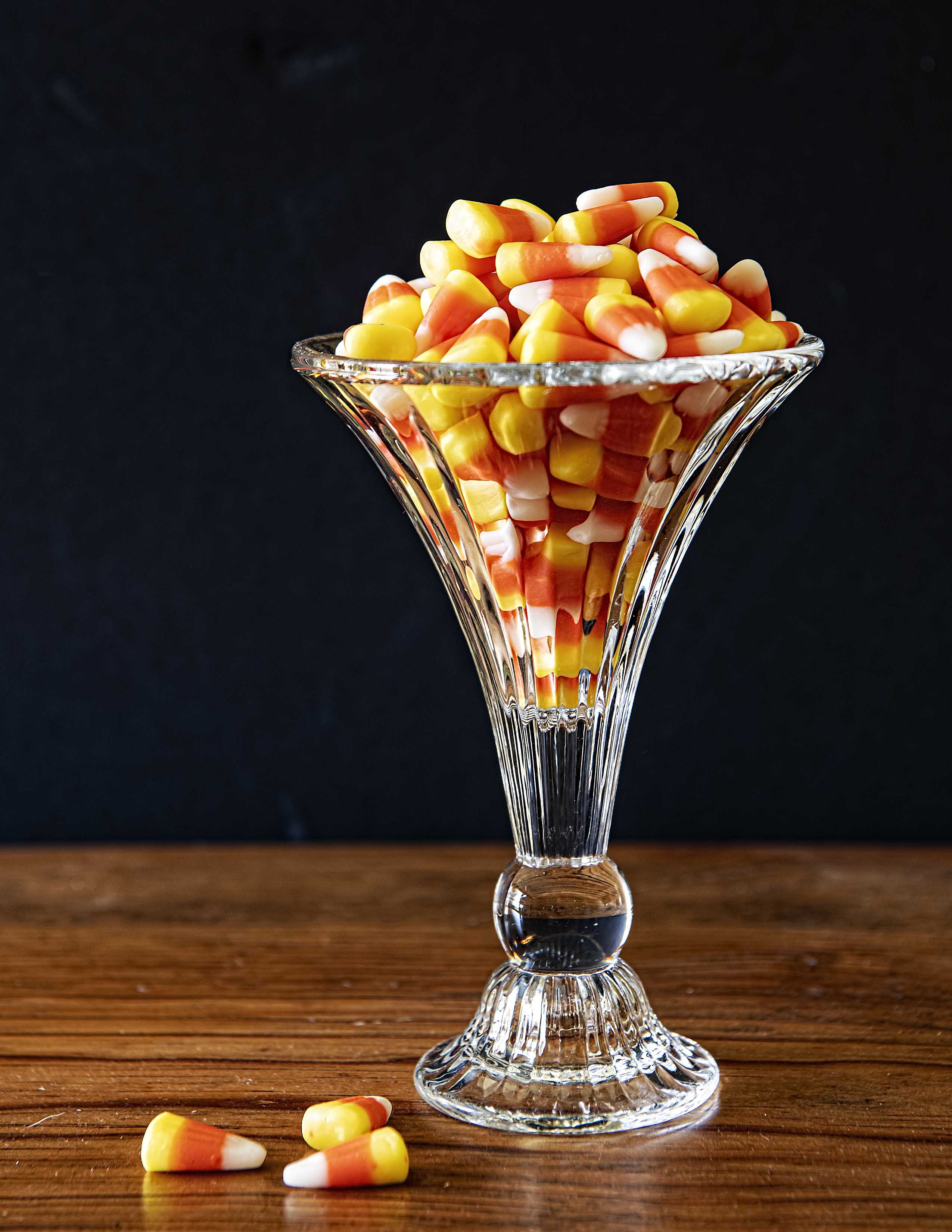
I had finished putting up my fall décor. To add to the festivity, I picked up two bags of a candy-corn-and-pumpkin mix. I put the candy in a dish on our entry table, and I was hoping it would be there for a while. However, the pile of sweet treats began declining rapidly.
We have two adults and one dog in our house. Our dachshund Wally might like candy, but he would need stilts to reach the bowl. When I returned from work, there were only orange crumbs left.
“You ate the rest of the candy?” I accused my husband.
“I didn’t open the other bag,” he replied matter-of-factly.
We are entering a season with holiday treats galore. What is it about sweets that attracts so many people? Psychologists have studied this long-standing sweet-seeking behavior.
In ancient times, eating sweet items in nature, such as fruit, was safe. Sweetness signaled energy-rich foods, while bitterness signaled certain toxins. However, neither taste guarantees that a food is safe nor that it is poisonous.
Sweet foods can trigger the release of dopamine, the feel-good chemical. Eating an abundance of sweet foods also gives us a brief energy burst by raising our blood sugar levels.
Although some people may say they are “addicted” to sugar, technically sweet foods are not classified the same way as alcohol, illicit drugs and the nicotine in cigarettes. However, some animal studies show that rats can become dependent on sugar.
In the long run, a diet high in calorie-containing sweeteners can promote weight gain, heart disease, Type 2 diabetes, fatty liver disease and tooth decay.
However, sugar has some beneficial effects in food science. It provides food for yeast in bread so it has a leavening effect. It promotes preservation in jams and jellies. It provides flavor, helps retain moisture in cakes and tenderizes baked goods. It also provides browning in other baked goods.
“Added sugar” is among the newest additions to Nutrition Facts labels. Prior to the addition of the added sugar statement, “sugar” also included the natural sugars in foods and beverages.
Sweetened beverages, including pop and energy drinks, are major sources of added sugars in the American diet. Desserts such as candy, cookies, ice cream and pies contribute significantly, too.
Various health agencies have provided recommendations on the safe amount of added sugar.
The American Heart Association, for example, has suggested limits for added sugars. According to their suggestions, men have a limit of 9 teaspoons (or 36 grams) of added sugar and women have a limit of 6 teaspoons (25 grams) of added sugars daily.
Keep in mind that one can of regular cola can have nearly 40 grams of added sugar, which may be high-fructose corn syrup or granulated sugar.
What’s a person with a sweet tooth to do?
- Gradually decrease the number of sweet treats and beverages you have. Read Nutrition Facts labels and do the math: Divide the grams of added sugar by four to get the number of teaspoons of added sugar.
- If you drink regular soda, trim your consumption to a smaller amount such as half a can, or have a small specialty coffee instead of a large. Try water with lemon or a splash of fruit juice.
- Choose canned fruit in juice instead of syrup.
- Try adding vanilla, cinnamon or almond extract to coffee or tea for the illusion of sweetness.
- Swap half the sugar in quick breads with an equal amount of applesauce. Cut the pieces smaller.
- If you want to put some candy on display, place it in a small bowl with a small spoon.
- Remember that many types of candy can be frozen: out of sight, out of mouth.
Enjoying sweet flavors does not mean giving up dessert. Fresh fruit combined with raisins, dried cranberries and a creamy cinnamon-yogurt dressing can make a colorful, crunchy ending to a meal. This recipe is from Ohio State University’s Dining with Diabetes program. The added sugar is primarily from the yogurt and sweetened cranberries.
Apple Salad Dessert
3 red-skinned apples
3 yellow- or green-skinned apples
½ cup raisins
½ cup dried cranberries
1 cup low-fat vanilla Greek yogurt
1 tsp. ground cinnamon
Rinse apples, but don’t peel. Core and cut into bite-sized pieces. In a large bowl, combine apples, raisins and cranberries. In a small bowl, combine yogurt and cinnamon. Pour yogurt mixture over apples and stir to coat. Serve immediately or chill for up to 4 hours.
Makes eight servings. Each serving has 150 calories, 1 gram (g) fat, 3 g protein, 38 g carbohydrate, 4 g added sugar, 4 g fiber and 15 milligrams sodium.
(Julie Garden-Robinson, Ph.D., R.D., L.R.D., is a North Dakota State University Extension food and nutrition specialist and professor in the Department of Health, Nutrition and Exercise Sciences.)
NDSU Agriculture Communication – Oct. 29, 2026
Source: Julie Garden-Robinson, 701-231-7187, julie.garden-robinson@ndsu.edu
Editor: Dominic Erickson, 701-231-5546, dominic.erickson@ndsu.edu