Dakota Gardener: Get a head start on next year by ‘lasagna gardening’
By Kelsey Deckert, horticulture agent
NDSU Extension – Burleigh County
As the temperatures drop and our gardens have been put to bed, gardening probably isn’t on most people’s minds. But for some people, it is.
Are you reflecting on your gardening season? Are you already prepping and planning for next season?
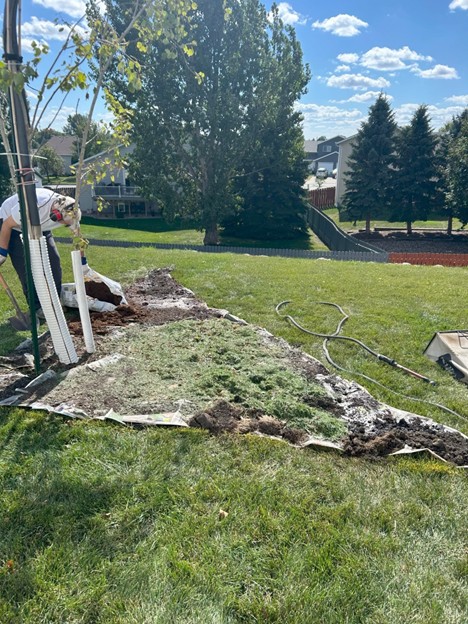
If you are looking to expand next year or improve your soil, consider sheet mulching, also known as “lasagna gardening.” This layering method mimics a lasagna. It is essentially cold composting.
Lasagna gardening is a way to create or improve a bed without digging or tilling. Benefits of this method include little-to-no-cost materials, no chemicals, improved water retention and reduced weeds. The hardest part of lasagna gardening is the waiting (or “baking”) period.
Let’s get started on making your lasagna garden! Select a level location that gets full sun; this serves as your baking dish. Your first layer will be either cardboard or newspaper, covering the ground to smother the grass and weeds. Avoid heavily colored boxes or slick printed boxes, and remove any tape or staples. Water this layer.
Now we move on to the layering parts of alternating “brown” and “green” layers. The first layer added after the cardboard or newspaper is the brown layer. This layer consists of leaves, small branches, straw, newspaper, sawdust, cornstalks or wood chips, and it provides carbon to this area. It should be around 2-4 inches thick. Sprinkle some soil over the top to add microorganisms to break down the layers.
Next, add a green layer to provide nitrogen to your lasagna garden. Materials to use for this layer can be grass clippings, fruit and vegetable scraps, well-rotted manure, coffee grounds or even plant material. The biggest caution with any of these materials is making sure no herbicides were used, especially with grass clippings, straw or manure. The green layer will be about 1-2 inches thick. Again, top off this layer with some soil.
Repeat the brown and green layers until you reach around 24-36 inches thick, at a 2-1 ratio for brown to green layers. Water the pile occasionally if you don’t get enough winter moisture. The pile should be moist but not saturated. After several months of baking, your final result will be a bed roughly 6 inches deep.
For more information about lasagna gardening, contact your local NDSU Extension agent. Find the NDSU Extension office for your county at www.ndsu.edu/agriculture/extension/extension-county-offices.
NDSU Agriculture Communication – Nov. 3, 2026
Source: Kelsey Deckert, 701-221-6865, kelsey.j.deckert@ndsu.edu
Editor: Dominic Erickson, 701-231-5546, dominic.erickson@ndsu.edu