

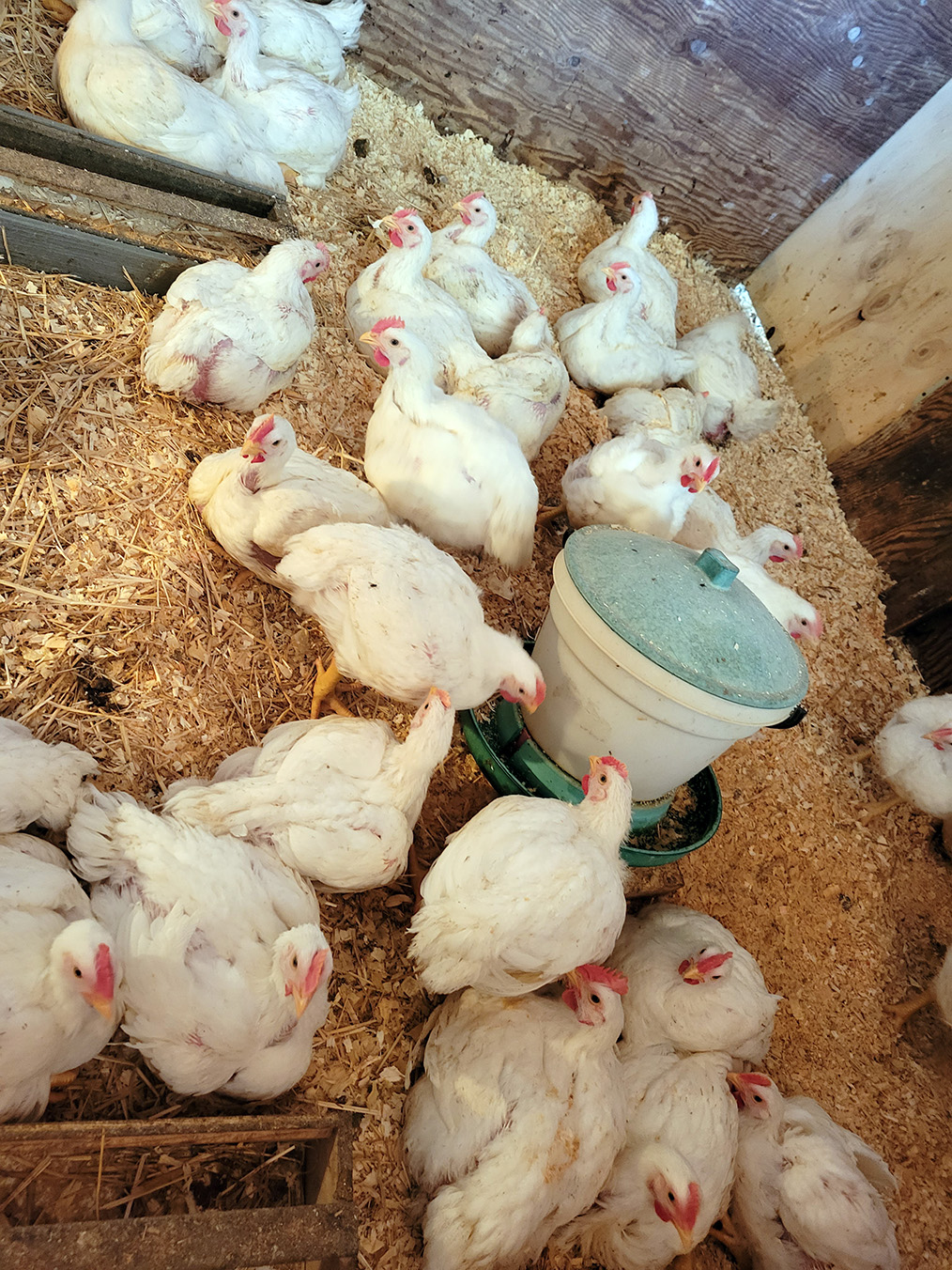
NDSU Extension continues to provide support to combat the spread of HPAI
Highly pathogenic avian influenza continues to affect poultry and dairy operations across the region, keeping North Dakota poultry and livestock producers on high alert. NDSU Extension remains a frontline resource for producers and communities working to prevent the virus from spreading.
HPAI is an extremely contagious disease of poultry that has led to high mortality. Wild birds, the main carriers of HPAI, spread the disease to new areas during migration, creating an ongoing risk for North Dakota poultry owners.
North Dakota State University Extension’s role in alleviating the spread of HPAI includes outreach, biosecurity education and response coordination.
“We’ve seen a consistent pattern of a wave, then a lull, over the last few years’ migratory seasons,” says Dr. Jake Galbreath, NDSU Extension veterinarian.
This year brought an unusual late-season wave with four cases in December and one in January. While migratory birds’ winter travel may have moved out of the state, residential wildlife still carry HPAI in areas with year-round open water.
Dr. Galbreath has been busy with in-person education and outreach about preventing HPAI from disrupting backyard flocks and commercial operations. NDSU Extension has held these free sessions across the state, stretching from Williston to Lamoure.
Attendees learn more about measures such as wearing personal protective equipment, and Dr. Galbreath provides more in-depth information about the virus.
Hunters and members of FFA and 4-H who exhibit at poultry events show up to hear how to enjoy their hobbies while being cautious. Dr. Galbreath relays information about the threat HPAI can pose to domestic pets as well.
The outreach project is in collaboration with North Dakota Health and Human Services and the Center for Immunization Research and Education, so the education emphasizes HPAI’s impact on human health. HPAI is not currently being treated as a serious threat to humans, and there has been no human-to-human transmission, but biosecurity is still paramount to staying safe.
Miranda Meehan, NDSU Extension livestock environmental stewardship specialist, coordinates with local Extension agents to help surveil the area and make sure community members are aware of a positive case near them. Meehan also serves as the NDSU Extension disaster education coordinator.
“The biggest thing we’ve learned through this whole experience is the importance of really strong relationships and lines of communication with our state partners, specifically the Department of Agriculture, the state vet’s office and our emergency managers,” says Meehan.
“Extension provides information to the North Dakotan, and we’re the ones who ask, ‘Where do you need us right now? What questions do you have?’” says Galbreath.
Four years into dealing with HPAI, Meehan says the disaster response team has built upon its response procedure, but the risk has persisted:
“We still need to have good biosecurity measures in place to protect our domestic flocks and other animals that can contract HPAI.
“The Extension agents are critical to that public education and building relationships, especially in commercial cases or cases that require flocks to be depopulated,” says Meehan.
After an infected flock is depopulated, an important step in ridding a property of the virus is disposing of any infected material.
Mary Keena, NDSU Extension livestock environmental management specialist, helps with the disposal of infected carcasses in commercial flocks.
“My job is making sure everyone knows and follows the protocol, and then we monitor to make sure the virus is eliminated on the operation,” says Keena.
The process includes gathering infected material into a very hot compost pile.
Keena says the producers’ task of eliminating and disposing of a high animal count can take an emotional toll.
“In North Dakota, these people raise these birds from when they’re babies all the way until market. They are intimately involved in the operation,” says Keena.
Keena has witnessed North Dakota producers’ diligence firsthand, affirming that this deadly virus is not something they take lightly.
“The space and ability we have to raise animals in a biosecure environment is so, so good,” says Keena. “Their biosecurity has been looked at. Their (safety) processes have been honed. The effort is there.
“And yet,” says Keena, “we are not immune to geese flying over.”
Read more about Highly Pathogenic Avian Influenza
