
Pinchin’ Pennie$ in the Kitchen: 3 Steps to Making Mocktails
(FN2298, June 2026)Nonalcoholic beverages are gaining popularity as awareness grows about the health risks linked to alcohol. Whether you’re hosting a gathering or simply trying something new, offering alcohol-free options can create a more inclusive and health-conscious environment.
Mocktail Recipes (NA = nonalcoholic)
Sidecar (NA)
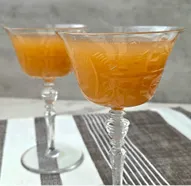
1 cup citrus tea
¼ cup fresh lemon juice
¼ cup orange juice
Ice as desired
¼ cup honey
1. Add citrus tea, lemon juice and orange juice to a shaker (or other covered container) with ice.
2. Slightly warm the honey in a microwave oven (10 seconds) so it blends more easily, then add the honey to the same container.
3. Shake for 30 seconds and strain into a champagne or white wine glass.
Makes four servings. Each serving has 87 calories, 0.1 g fat, 0.2 g protein, 23 g carbohydrate, 0.1 g fiber and 8 mg sodium.
Cheese/meat pairing: Pair with fresh cheeses, such as brie, goat cheese (chèvre) and crème fraîche, or with prosciutto or jamón serrano.
Sangria (NA)
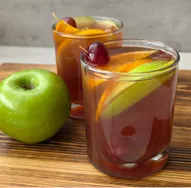
1 cup pomegranate juice
¼ cup fresh lemon juice
Ice as desired
1 green apple, chopped
1 orange, chopped
¾ cup nonalcoholic sparkling wine or sparkling grape juice
24 grapes
1. Add pomegranate juice and lemon juice to the shaker (or other covered container) with ice and shake for 30 seconds.
2. In a tall glass, add ice and chopped fruit, strain and pour the shaker contents into the glass.
3. Leave room to top with sparkling white grape juice.
Makes four servings. Each serving has 115 calories, 0.4 g fat, 0.7 g protein, 30 g carbohydrate, 2 g fiber and 10 mg sodium.
Cheese/meat pairing: Pair with robust cheeses, such as Manchego, Gruyère and aged cheddar, or with bold meats,such as chorizo, salami and soppressata.
Aloe Spritz (NA)
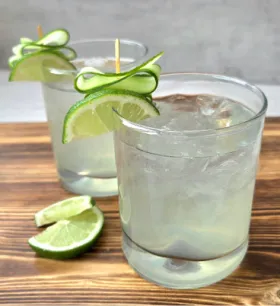
1 cup aloe juice (with pulp, if desired, for texture)
¼ cup simple syrup
¼ cup lime juice
Ice as desired
1 cup nonalcoholic dry bubbly wine or sparkling white grape juice
Cucumber ribbons or slices to garnish
1. Add aloe juice, simple syrup and lime juice into a shaker (or other covered container) with ice. Shake for 30 seconds.
2. Strain and pour into a glass (ice recommended but not necessary).
3. Top off with your choice of sparkling beverage, such as sparkling grape juice.
Makes four servings. Each serving has 68 calories, 0 g fat, 0.1 g protein, 18 g carbohydrate, 0.1 g fiber and 10 mg sodium.
Cheese/meat pairing: Pair with delicate or light flavors, such as mozzarella or sheep’s milk cheeses and prosciutto or jamón serrano.
Bloody Mary (NA)
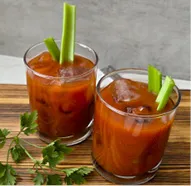
1 cup low-sodium V8 juice
¼ cup cocktail sauce
¼ cup fresh lemon juice
Ice as desired
4 celery sticks
Optional: olives, cheese or garnish of choice
1. Add V8 juice, cocktail sauce and lemon juice into a shaker (or other covered container) without ice. Shake for 30 seconds, then add ice and shake again for another 30 seconds.
2. Strain and pour into a glass (ice not recommended).
3. Garnish with preferred toppings. Recommended garnishes include celery, olives, pickle spears, pepperoncini and cubed cheese.
Makes four servings. Each serving has 42 calories, 0.3 g fat, 0.9 g protein, 9 g carbohydrate, 1 g fiber and 215 mg sodium.
Cheese/meat pairing: Pair with full-flavor, creamy cheeses such as aged Gouda or blue cheese or with peppery meats such as salami and summer sausage.
Peach-Mint Julep (NA)
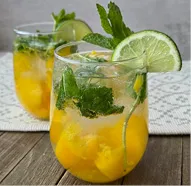
2 limes, rinsed and halved and cut into wedges
1 cup canned peaches in water, muddled
24 mint leaves
4 teaspoons granulated sugar
Ice as desired
1 ½ cups unflavored or flavored sparkling water
1. In a bowl, add the lime, and muddle using a muddler or the back of the spoon. Muddle (stir) until the pulp and juice are extracted from the lime.
2. Remove the lime wedges and add peaches, mint and granulated sugar to the bowl. Muddle again until a puree consistency. The mint leaves won't break down completely.
3. Pour all contents into a shaker (or other covered container) with ice and shake for 30 seconds. Pour contents into glasses and top with sparkling water.
Makes four servings. Each serving has 41 calories, 0.1 g fat, 0.5 g protein, 12 g carbohydrate, 2 g fiber and 22 mg sodium.
Cheese/meat pairing: Pair with mozzarella, brie, feta and crème fraîche or with pastrami and capicola.
References
Alcohol and cancer risk fact sheet. Fact Sheet - NCI. (2025, May 2).
https://www.cancer.gov/about-cancer/causes-prevention/risk/alcohol/alco…
Bowdring, M. A., McCarthy, D. M., Fairbairn, C. E., & Prochaska, J. J. (2024). Non-alcoholic beverage consumption among US adults who consume alcohol. Addiction (Abingdon, England), 119(6), 1080–1089. https://doi.org/10.1111/add.16452
Shield, K. D., Parry, C., & Rehm, J. (2014). Chronic Diseases and Conditions Related to Alcohol Use. Alcohol Research: Current Reviews, 35(2), 155–171. https://doi.org/10.35946/arcr.v35.2.06
Made possible with funding from the North Dakota Department of Agriculture through the USDA Specialty Crop Block Grant program.
