Prairie Fare: Apples are one of nature’s original convenience foods
I recall my neighbor’s prolific apple tree that we would help harvest every fall. It was a very tall tree, so harvesting apples required a ladder.
I guess no one ever pruned the tree. Maybe it just seemed enormous because I was small back then.
We enjoyed apple pie, apple crisp, apple jelly and applesauce made from the fruits of that tree. We froze apples for making apple pie and crisp later in the winter.
Apples are members of the rose family, and apples have been around for thousands of years. They originated in Asia before the seeds were brought to Europe and then to North America.
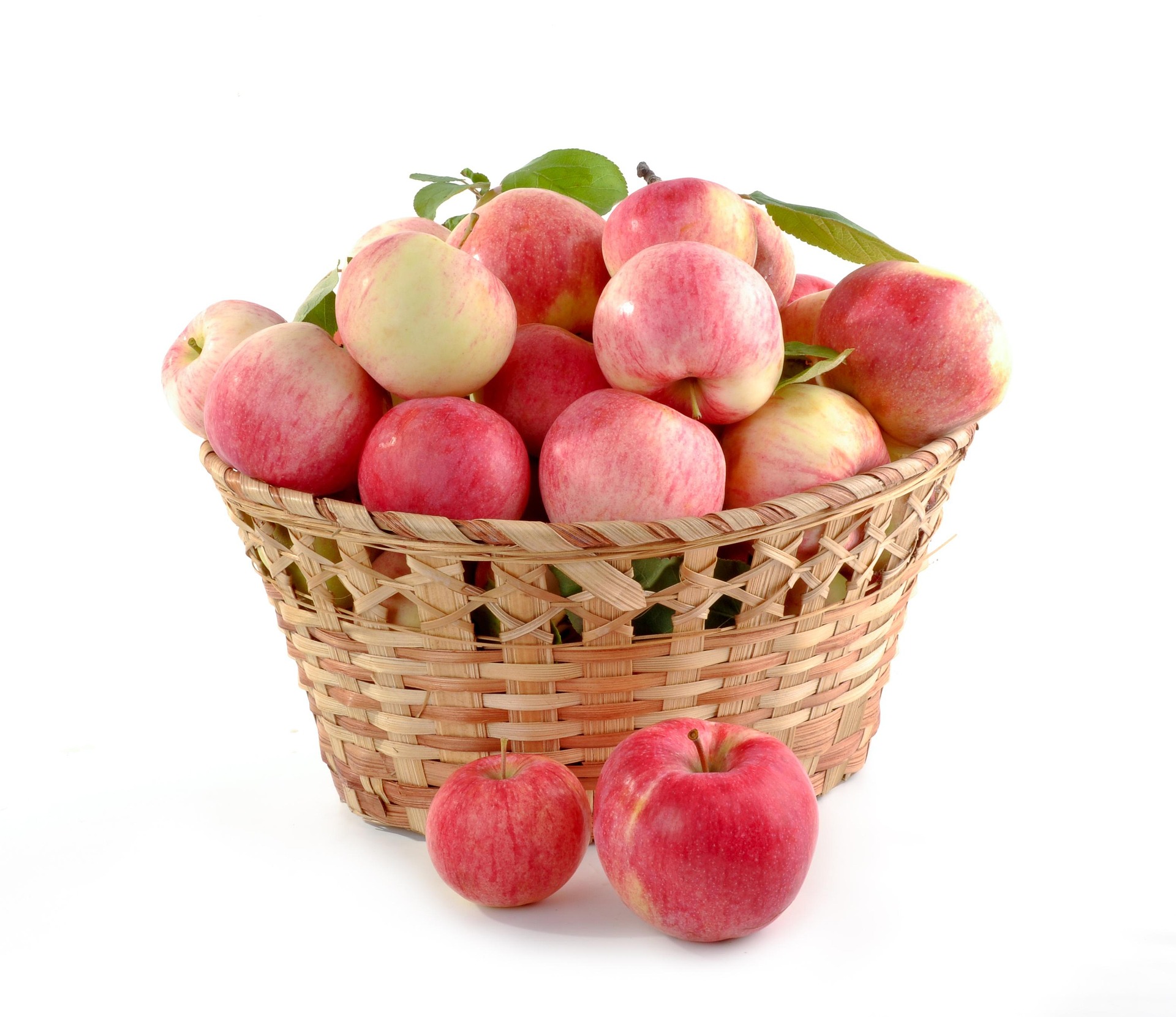
Apples can be red, pink, yellow, gold, green or a combination of colors. They vary in texture from crisp to mealy. Their flavors vary from tart to sweet.
We have many types of apples available to us – about 7,500 worldwide, according to some estimates. However, we do not have thousands of types available in a grocery store; we may have only 10. Apples are available year-round thanks to advances in controlled-atmosphere storage.
Apples are naturally high in moisture, so they need to be kept in a humid environment to avoid shriveling and loss of quality.
If you buy a bag of apples, remember to rinse them carefully before using them in recipes or eating them whole.
Are apples “healthy” for us? Yes, but try to eat them as a whole fruit. A medium-sized apple has fewer than 100 calories. Eating the peel is recommended because many of the health-promoting phytochemicals (natural plant chemicals) are located directly beneath it.
While baking in a pie crust with lots of sweeteners appeals to our taste buds, this is not the form associated with health benefits.
Apples are naturally high in antioxidants and natural pectin (fiber). While apples are not a “miracle food,” they may indeed help keep us healthy, especially if eaten as the fruit itself.
Researchers have linked eating more apples to weight loss, improved diabetes management, reduced risk of stroke and certain types of cancer, and improved lung function among those with asthma.
Apples can be frozen, dried, canned or made into fruit pie fillings. All these directions are readily available on the North Dakota State University Extension website, along with food preservation information on canning, drying, making jellies or freezing.
Apples will brown after cutting because of the action of oxygen on the natural compounds in the fruit. Be sure to dip apples in a natural antioxidant like lemon juice and water, citric acid or even submerging them in tap water. Some people add some salt to the water to effectively delay browning.
Check out “The Best Apples for North Dakota” on the NDSU Extension website to see which apple trees do best in our environment. They are all hardy in our growing zone, but they may take years to bear fruit.
Search online for “Garden to Table: Apples” from NDSU Extension for a variety of growing, preservation and preparation information. Learn how to make “Slow Cooker Applesauce” and “Apple Spice Hummus.”
Here’s a fun recipe that’s sure to put a smile on your face.
Apple Smiles
1 tablespoon smooth peanut butter, SunButter (sunflower butter) or other nut butter
1 medium apple, cored and sliced into eighths
1 lemon, squeezed (or bottled lemon juice)*
20 miniature marshmallows
*If you will not be serving the apples immediately, dip the apple slices in lemon juice.
Rinse apples and cut as directed. Spread peanut butter or nut butter on one side of each apple slice. Place 4-8 mini marshmallows on an apple slice (for the “teeth”), then top with another apple slice, peanut butter side down. Secure with toothpick.
Makes four servings. Each serving has 60 calories, 2 grams (g) fat, 1 g protein, 11 g carbohydrate, 2 g fiber and 20 milligrams sodium.
(Julie Garden-Robinson, Ph.D., R.D., L.R.D., is a North Dakota State University Extension food and nutrition specialist and professor in the Department of Health, Nutrition and Exercise Sciences.)
NDSU Agriculture Communication – Oct. 1, 2026
Source: Julie Garden-Robinson, 701-231-7187, julie.garden-robinson@ndsu.edu
Editor: Dominic Erickson, 701-231-5546, dominic.erickson@ndsu.edu