
Forging a Leadership Legacy: RLND Class XI Begins Its Journey in Medora
Rural Leadership North Dakota Class XI
Forging a Leadership Legacy: RLND Class XI Begins Its Journey in Medora
Medora, North Dakota
By RLND Class XI Members: Dee Holmes, Anya Hondel, and Amberrae McLeod
Day One: Building the Foundation for a Cohort Experience
Class XI began its Rural Leadership North Dakota (RLND) journey in Medora with a warm and intentional welcome from Program Director Dr. Katie Tyler. This opening session introduced participants to the purpose, expectations, and shared values that guide the RLND program. Class XI began exploring what truly shapes a leader, both personally and professionally, and reflected on where we want to grow as a starting point for building meaningful, measurable development goals.
Leadership thrives in community. Through story sharing and appreciative inquiry, our Class XI started to learn how to get to know the people behind the titles, uncovering common ground, celebrating shared experiences, and strengthening the bonds that create a trusted cohort. Day 1 was just the start of a legacy.
Day Two: A Day of Leadership, Innovation & Rural Vision in Southwestern North Dakota
RLND Class XI launched the second day of Seminar One with a series of powerful industry and community visits across Dickinson and the surrounding region. The day offered a rare, behind-the-scenes look at how agriculture, energy, manufacturing, and community leadership are shaping North Dakota’s future. From renewable fuels to family-owned businesses, genetic innovation, and civic legacy, each stop challenged participants to think differently about leadership, sustainability, and long-term impact.
Marathon Renewable Diesel Refinery – Where Energy & Agriculture Converge
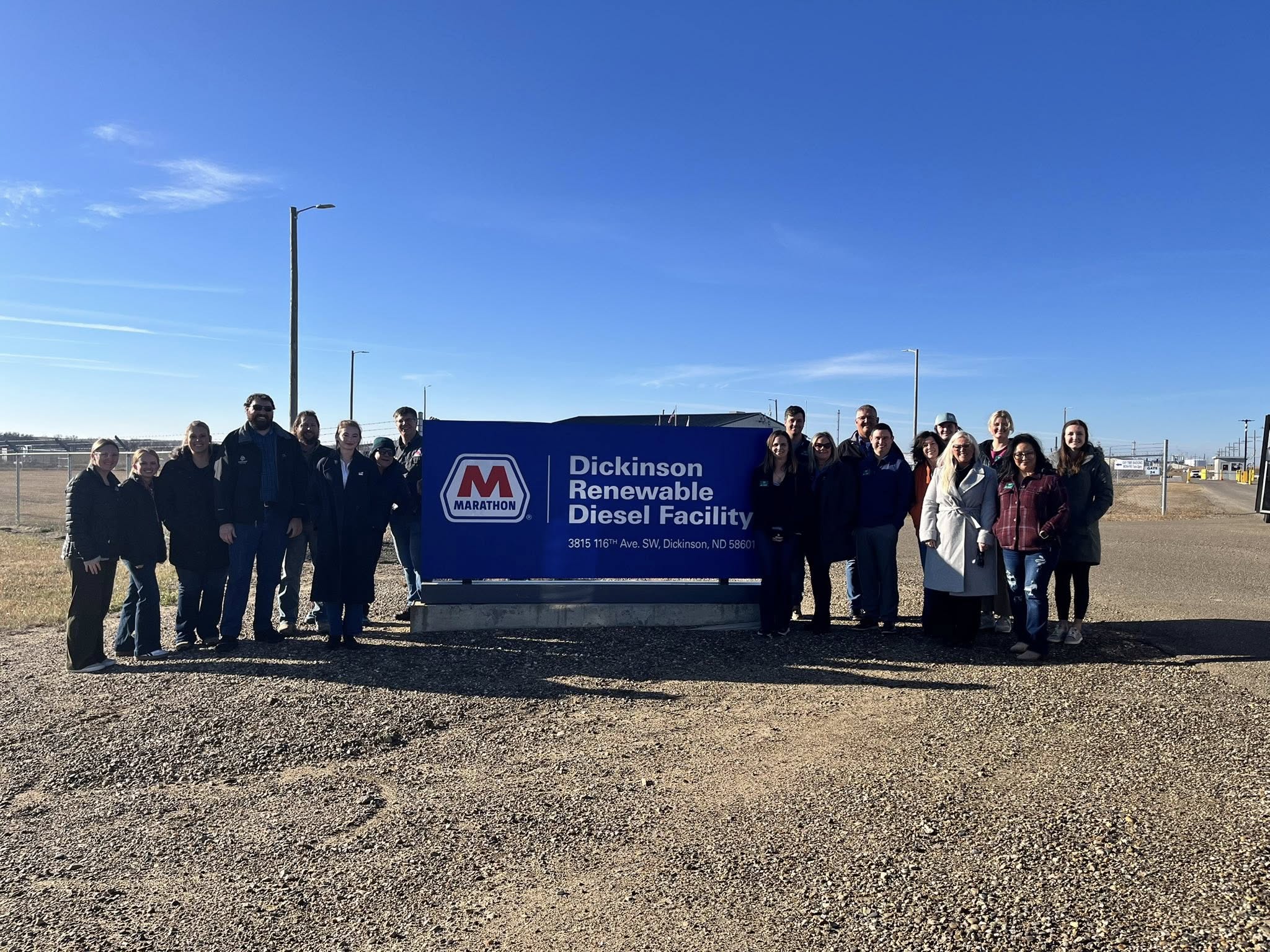
Class XI kicked off the morning with an in-depth tour of the Marathon Renewable Diesel Refinery, one of the most innovative and forward-thinking energy facilities in the state.
Class members learned how soybean oil, canola oil, distillers corn oil, and tallow are converted into renewable diesel, a clean-burning, drop-in fuel indistinguishable from conventional diesel, but with significantly reduced carbon intensity. Leaders explored the facility’s $500+ million transformation from a petroleum refinery to a fully renewable operation completed in 2020.
The class also heard firsthand about:
- How hydrogen, catalysts, and advanced chemical engineering enable 95% conversion from feedstock to diesel.
- The massive logistical footprint required to run a 12,000-barrel-per-day operation, equivalent to more than an Olympic swimming pool of fuel daily!!
- How global markets, federal tax credits, and low-carbon fuel standards influence feedstock choices and profitability.
- The discipline, long-term planning, and safety culture that guide Marathon’s leadership approach.
The visit encouraged Class XI to think about leadership at scale, how major economic forces, technological innovation, and long-range strategy shape rural opportunities.
Baker Boy – A North Dakota Legacy of Grit, Vision & People-Centered Leadership
The second Industry Insight Tour brought Class XI to Baker Boy, a beloved, family-owned bakery manufacturer with deep Dickinson roots.
Class members were immersed in the story of an entrepreneurial family that grew from a single bakery counter in the 1960s into a national supplier producing everything from croissants and hoagies to Magic Ring donuts and school-approved whole-grain baked goods.
During the tour, President Guy Moos shared key leadership lessons, including:
- The power of reinvention, from donut shops, to frozen dough, to large-scale manufacturing.
- The role of PACE loans, automation, and workforce stability in long-term growth.
- How the company weathered challenges from high-interest eras to COVID-19, keeping employees working while expanding into new markets.
- The importance of steady leadership, positivity, and caring for a team where many employees have worked for 20, 30, or even 40 years.
Moos’ candid reflections offered Class XI a real look at resilience, family dynamics, succession planning, and what it takes to keep a rural business thriving across generations.
Regional Leadership Conversation with Andrea Bowman at Fluffy Fields Vineyard
Over lunch at Fluffy Fields Vineyard, the class engaged in a thoughtful conversation with Andrea Bowman, Rural Growth Coordinator for the Roosevelt Custer Regional Council and an alumna of RLND Class V.
Andrea shared valuable insights on:
- Strengthening rural communities through intentional planning and capacity building.
- The importance of authenticity, listening, and “leading from where you are.”
- Turning ideas into action through collaboration, partnerships, and long-term commitment.
- How rural leaders adapt, innovate, and step up even without formal titles or recognition.
Her message reminded Class XI that leadership in rural North Dakota is rooted in real people, lived experience, and a willingness to serve.
Heart River Genetics Ranch – Innovation in Agriculture & Stewardship
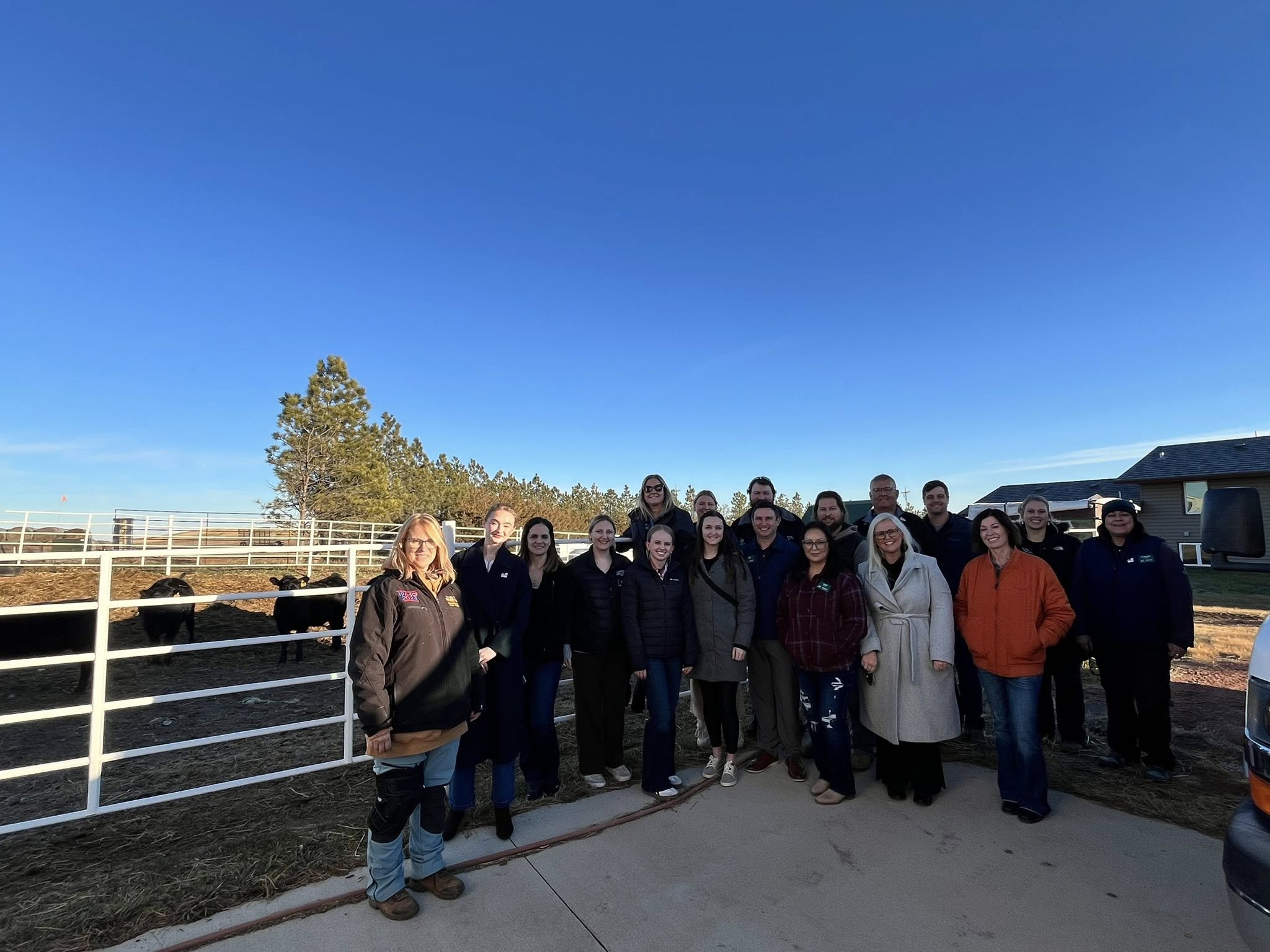
In the afternoon, the class traveled to the Heart River Genetics Ranch, where owner Annette Steffan showcased one of the premier Red Angus operations in the state.
Class XI learned how the ranch integrates:
- Genomic testing
- Ultrasound technology
- Embryo transfer
- Performance-driven breeding strategies
Annette also spoke about her commitment to industry service, youth involvement, and sustainable decision-making, demonstrating how leadership extends beyond production and into mentorship, community engagement, and stewardship of the land.
This visit emphasized how innovation, values, and forward-thinking genetics continue to elevate North Dakota’s ag sector.
Theodore Roosevelt Presidential Library – A Vision for Courage, Character & Community
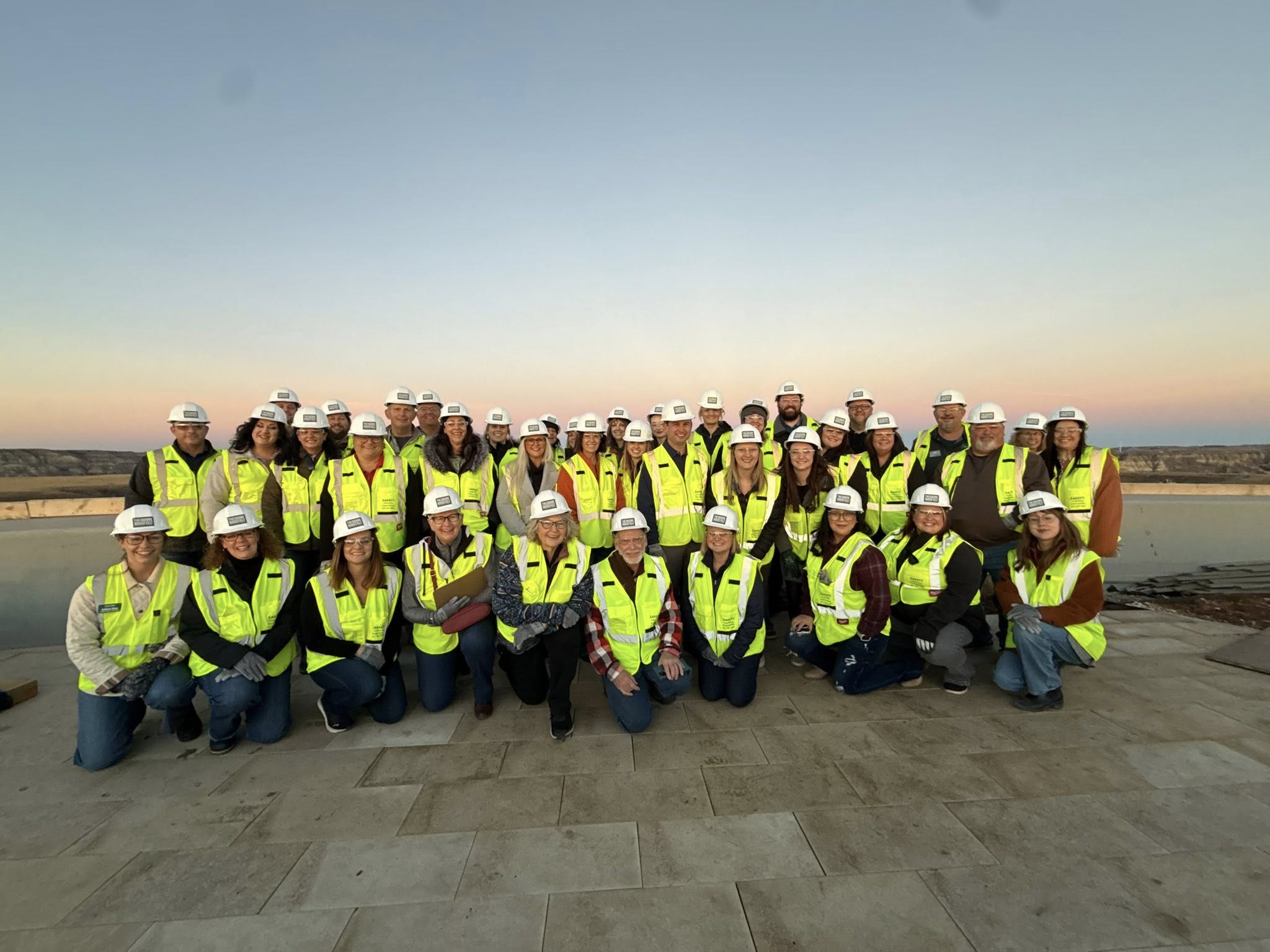
Class XI closed the day with a visit to the future site of the Theodore Roosevelt Presidential Library, slated to open July 4, 2026.
Here, Class XI and RLND Alumni reflected on:
- How place, history, and landscape shape leadership.
- Roosevelt’s enduring values of courage, conservation, and citizenship.
- How the Library aims to become more than a museum, a living institution for dialogue, education, and character-driven leadership.
- The long-term cultural and economic impact this project will bring to western North Dakota.
Standing on the land that deeply influenced Roosevelt offered a powerful reminder of how leadership is forged through challenge, vision, and connection to community.
Day two of Seminar One provided Class XI with an extraordinary cross-section of North Dakota leadership, from energy and manufacturing to regional planning, agriculture, and civic legacy. Each visit highlighted a different dimension of what makes rural leadership so vital: innovation, heritage, resourcefulness, people, and a willingness to think bigger for the future.
Day Three: Understanding Leadership Styles and Celebrating Community
Friday began with an engaging message from Daniel Gannarelli, Chief Revenue Officer for the Theodore Roosevelt Medora Foundation and a member of the RLND Council. Daniel brought an engaging mix of philosophy, storytelling, and practical insight to challenge Class XI to think deeply about who they are as leaders. He shared his leadership framework grounded in ethos, pathos, and logos, reminding the class that effective leadership requires credibility, connection, and clarity. Daniel encouraged Class XI to understand their own stories, define their personal leadership values, and recognize the responsibility that comes with influencing others.
Class XI then moved into an engaging DiSC assessment workshop. Class members explored their individual leadership styles and learned practical strategies for collaborating effectively with their cohort. The DiSC framework (Dominance, Influence, Steadiness, and Compliance) provided valuable insight into how different leadership approaches can strengthen a team.
After the workshop, Class XI enjoyed a short break to explore Medora, support local businesses, and take in the beauty of the landscape. The energy carried into the evening as current and past Rural Leadership North Dakota class members came together for networking, fundraising activities, and a shared meal. The day wrapped up with Class X’s graduation ceremony and gala, where attendees celebrated the cohort’s journey and achievements.
Day Four: Reflection, Goal Setting, and Commitment to Growth
The final day of Seminar One centered on reflection and intentional planning. Class members began their morning with RLND alumni, gaining perspective on the long-term value of the program and the enduring relationships formed through it. This reminder reinforced that leadership is strengthened through community, mentorship, and shared experience.
A reflective goal setting session followed, encouraging participants to articulate both personal and professional intentions for the year ahead. The discussion underscored that meaningful leadership growth requires clarity, commitment, and deliberate follow-through.
The day closed with an emphasis on connection. Class XI noted that the cohort is beginning to form a network rooted in mutual support, diverse strengths, and shared purpose. This sense of community will serve as a foundation for their continued learning and development.
Class XI reflected on the well-known idea attributed to Lao Tzu, recognizing its relevance to the journey ahead: “Watch your thoughts, they become your words; watch your words, they become your actions; watch your actions, they become your habits; watch your habits, they become your character; watch your character, it becomes your destiny.”
Conclusion
Seminar One provided Class XI with a rich introduction to leadership development, rural innovation, personal reflection, and the power of a connected cohort. Through site visits, workshops, conversations, and shared experiences, participants leave Medora with a deeper understanding of how leadership shapes North Dakota’s communities, industries, and future in every corner of our state. The journey ahead promises continued challenge, inspiration, and growth as Class XI steps into its role as the next generation of rural leaders.
