
Basics of LoRa Technology for Crop and Livestock Management
(AE1999, Reviewed April 2026)LoRaWan (Long Range Wide Area Network) technology uses a long-range and low-power wireless network to communicate between LoRaWAN gateways and remote nodes. By using small, rugged and battery-powered LoRaWAN sensor devices, this technology can be used to monitor farm assets and crop and livestock conditions. LoRaWAN is an example of Internet of Things (IoT) technology for agriculture.
LoRaWAN Technology
Long Range Wide Area Network (LoRaWAN) is an open, low-power, wireless communication protocol for the Internet of Things (IoT). This technology can be used to monitor farm assets and crop and livestock conditions, and it is an example of the IoT for agriculture, also known as smart farming.
Agricultural producers and businesses can use data gathered through the IoT for management decisions. This technology allows farmers to
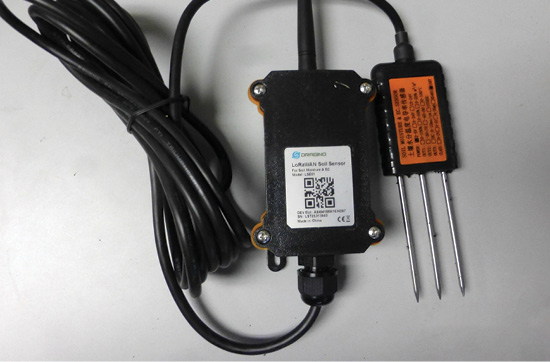
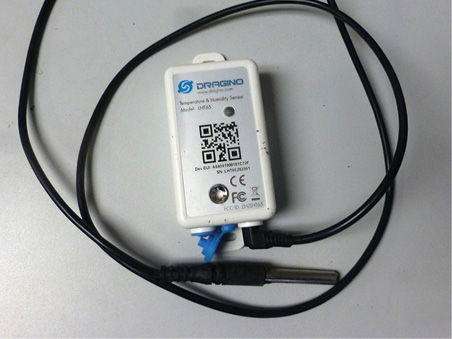
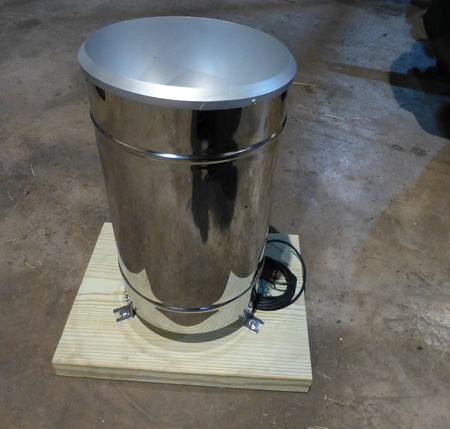
install small sensor devices in their crop fields to monitor conditions such as rainfall, soil moisture and temperature. Ranchers can use LoRaWAN technology to monitor stock tank water levels in remote pastures by viewing the data on their cellphones or computer monitors.
LoRaWAN uses a long-range and low-power wireless network to communicate between LoRaWAN gateways and remote nodes. LoRaWAN uses a license-free radio frequency that enables long-range transmissions (up five miles in rural areas) with low power consumption. The LoRaWAN protocols are defined and maintained by the LoRa Alliance (https://lora-alliance.org/), a nonprofit association of member companies committed to enabling large-scale deployment of LoRaWAN IoT through the development and promotion of open standards.
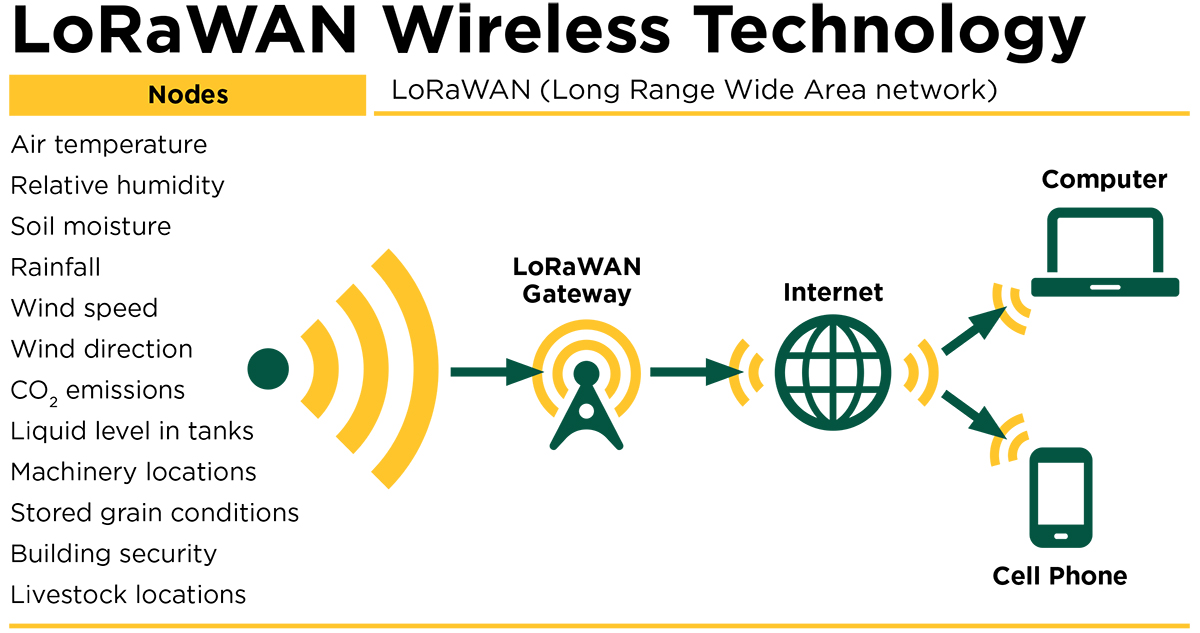
LoRaWAN nodes can be small and battery-operated sensor devices, which enables installation in remote locations. The LoRaWAN gateways communicate with the nodes, receiving the data from the sensor devices and transmitting signals back to the sensor devices for remote management. The LoRaWAN gateway also transmits the data to the internet so it can be viewed by users.
The LoRaWAN gateway uses high-bandwidth networks such as Wi-Fi, Ethernet or cellular to connect to the internet. Due to its additional subscription costs, the cellular connection is used only if a direct connection is unavailable.
The LoRaWAN gateways also require electricity to function. The electricity can be supplied by an AC electrical supply or by a 12-volt battery. If a battery is used to power the gateway, a solar charger is required to maintain the battery’s power.
Following its transmission to the internet, data must be managed for website availability. There are several options to manage this data. The method outlined in this publication uses an open-source software called The Things Network.
Viewing the Data on Zafron
To make the data viewable on the internet, it needs to be displayed on a website. There are several options to accomplish this. The method explained in this publication focuses on using a free website called Zafron. Zafron is a dashboard, data logger, device registry and rules engine for IoT devices, including sensor data collected using LoRaWAN technology (https://zafron.dev/docs/intro). The Zafron online dashboard allows users to visualize sensor data and define rules to send email alerts if the data reach a specified level.
Long Description:
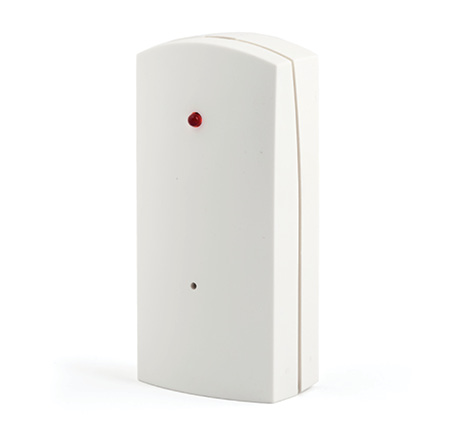
LoRaWAN Wireless Technology: Nodes like the following: air temperature, relative humidity, soil moisture, rainfall, wind speed, wind direction, CO2 emissions, liquid level in tanks, machinery locations, stored grain conditions, building security and livestock locations transmit the information wirelessly to a LoRaWAN Gateway which then sends the information to the internet where it can be accessed by a computer or a cell phone.
More information is available at www.thethingsnetwork.org/docs/
This publication was authored by John Nowatzki, Ag Machine Systems Specialist (retired), NDSU Extension Agricultural and Biosystems Engineering, 2022
