Title

Pollinators, Policies and Property: A Guide to Understanding and Improving Local Ordinances for Pollinator Conservation

(H2292 April 2026)
Summary

This is a guide to understanding and complying with city ordinances and homeowner association covenants that regulate the planting of habitats such as pollinator gardens, prairies, and bee lawns. In the event of over-restrictive regulations, this publication offers recommendations for rallying support for pollinator-friendly revisions to local municipal codes and/or homeowner association covenants.

Lead Author
Lead Author:
April Johnson Extension Pollinator Program Coordinator
Other Authors

Esther McGinnis Associate Professor and Extension Horticulturist

Patrick Beauzay State IPM Coordinator and Research Specialist

Janet Knodel Professor and Extension Entomologist

Availability
Availability:
Available in print from the NDSU Distribution Center.

Contact your county NDSU Extension office to request a printed copy.
NDSU staff can order copies online (login required).

Publication Sections

Introduction

Figure 1
Photo Credit:
Diana Freese, Wilkin County

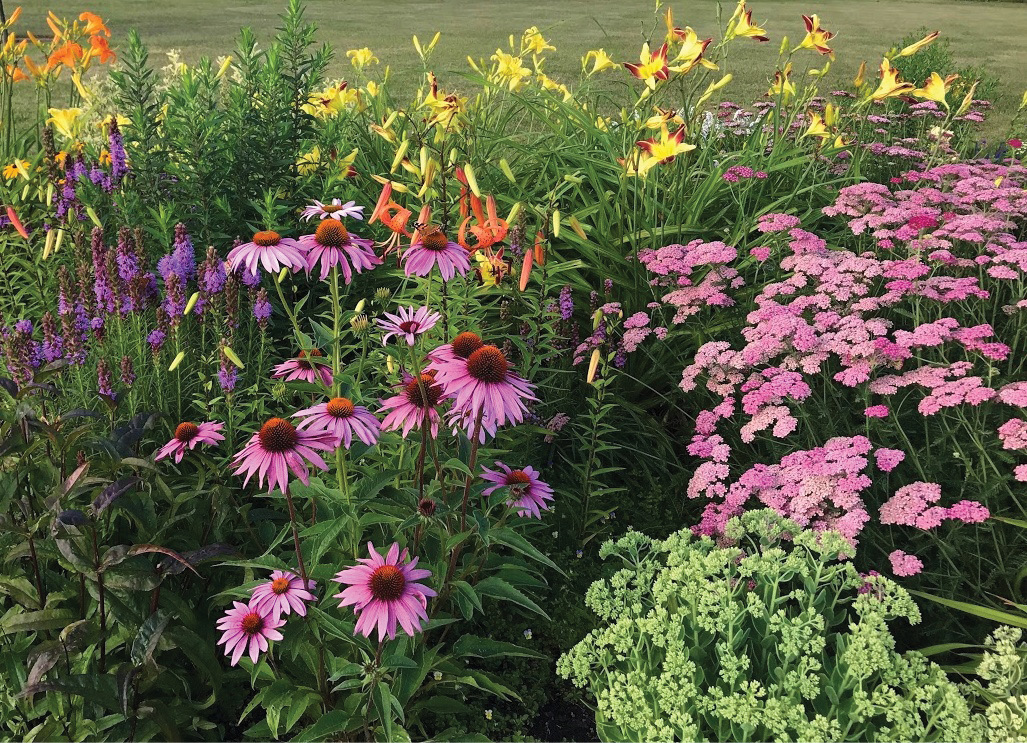
Incorporating pollinator habitats in residential areas is growing in popularity, with studies showing benefits to people, local wildlife and municipal infrastructure. Pollinator gardens, bee lawns and prairie installations provide critical food and shelter for pollinators while supporting human communities in profound ways. Pollinators are responsible for one out of every three bites of food we eat, making them essential to global food security and local food resilience. By planting diverse native flowers and grasses, homeowners and communities strengthen pollinator populations that, in turn, safeguard fruit, vegetable and seed production. This living link between native plantings and pollinator health ensures that gardens, farms and urban landscapes remain productive and abundant.

Beyond food production, these habitats provide a wide range of beneficial services to humans. They beautify the landscape, offer places for recreation and relaxation, and strengthen people’s connection to nature — an important factor in reducing stress and improving mental well-being. At the same time, native plantings help cities and towns manage stormwater, reduce urban heat and improve air quality, reinforcing the idea that pollinator habitat is not only an ecological concern but also a foundation of community health and climate resilience.

Despite the multitude of benefits, pollinator habitats can face challenges from municipal officials, neighbors and homeowner associations who value traditional landscaping. This publication offers practical guidance to homeowners, community groups and civic leaders on researching and complying with local ordinances and homeowner association covenants in constructing pollinator habitat. In the event of overly restrictive laws or covenants, this guide offers recommendations for rallying support for pollinator-friendly revisions to local municipal codes and/or homeowner association covenants.

Pollinator Habitat
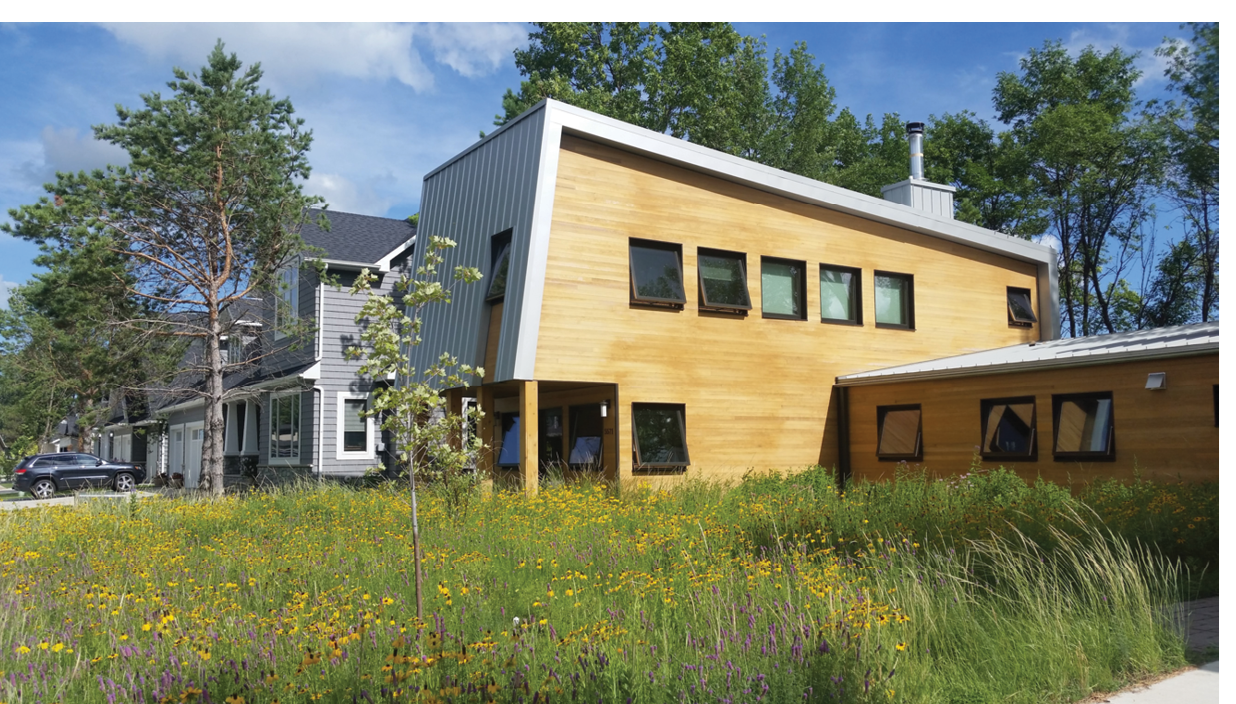
Figure 5
Photo Credit:
Dexter and Betsy Perkins, Grand Forks County

Pollinator habitats play a vital role by providing flower resources such as nectar and pollen, as well as shelter for bees, butterflies, moths, birds and other native pollinators. Many species provide valuable pollination services to agriculture, native plant reproduction and backyard vegetable gardens and fruit orchards. However, pollinators are facing steep population declines due to habitat loss, pesticide use, climate change, disease and the impacts of ongoing development and habitat fragmentation. By converting lawns and underutilized landscapes into pollinator habitats, we can help reverse these declines and build healthier, more resilient communities.

In the context of this discussion, pollinator habitats generally fall into three categories:

  • Bee lawns: flowering, low-growing plants mixed into turfgrass that maintain a tidy appearance, exclude noxious weeds and provide accessible forage for pollinators.
  • Pollinator gardens: landscaped beds featuring a diverse array of native and non-native plants selected to offer optimal food and shelter for pollinators throughout the growing season.
  • Pocket prairies: native plantings suited for rural properties or large fenced areas that function as self-sustaining ecosystems rich in pollinator activity.

Know the Rules

Before installing pollinator habitat, it’s essential to understand the existing framework that governs a municipality’s landscape and environmental management practices. For the purposes of this publication, the term “municipal” is defined as “pertaining to the governing body of a city or town.” Understanding the differences between ordinances, municipal codes and policies is essential when researching applicable law.

  • Ordinance: a law enacted by a local government (such as a city or town), which is legally enforceable within the jurisdiction that adopts it.
  • Municipal code: a collection of all ordinances that govern a specific city or town; the official record of all active local laws.
  • Public and sanitary nuisances: a specific chapter within the municipal code that prohibits conditions that may negatively impact public health and safety (e.g., trash accumulation, tall grass that may harbor mosquitoes and the presence of noxious weeds).

Bee lawns and prairies may run afoul of public and sanitary nuisance ordinances governing acceptable grass height. For example, the city of Grand Forks, North Dakota, declares it unlawful for a landowner to allow grasses (other than ornamental grasses in cultivated gardens) to grow taller than 8 inches. The rationale is that tall grasses may harbor rodents, mosquitoes, weeds and debris. Furthermore, tall grass may adversely affect the aesthetics and property values of the neighborhood because the property appears abandoned. Failure to abide by the ordinances may result in the mailing of a violation notice ordering the tall grass to be mowed. If the property owner ignores the city’s instructions, the local health department is empowered to remedy the situation by mowing the overly tall grass and assessing the property for the cost and fees.

At first glance, Grand Forks’ tall grass ordinance presents a challenge to bee lawns and individuals engaging in No Mow May. However, bee lawns are specifically designed to be mowed on a regular basis and to comply with city ordinances. Most bee lawns can be easily maintained below an 8-inch height by mowing once every two or three weeks. Tall grass ordinances and maximum grass height may vary between municipal jurisdictions. To ensure compliance, check your local ordinances.

No Mow May is the practice of abstaining from mowing lawns during the month of May to allow dandelions, wildflowers and weeds to bloom. The rationale is that spring-blooming flowers in the lawn will provide pollen and nectar to feed hungry pollinators during a time when few plants are in bloom. The practice can run afoul of city and town ordinances because unmowed lawns can grow 12 or more inches during the month of May. Some Minnesota cities do suspend upholding their tall grass laws during May to accommodate the practice. However, No Mow May has recently become less accepted, because the scientific study that supported the practice has now been retracted. For more information on No Mow May, see the NDSU Extension publication “Bee Lawns: From Backyard Food Desert to Oasis.”

Pocket prairies or prairie landscaping within municipalities pose a greater challenge than bee lawns because they usually exceed 8 inches tall. However, many cities are adopting carefully crafted exemptions for the creation of maintained prairie landscapes. For example, the city of Fargo, North Dakota, allows property owners to apply for a land management plan permit to exempt them from the 8-inch grass height limit. The applicant must specify the nature and purpose of the plantings, the types of plants and their location on the property, and the maintenance plan. Copies of the permit application must also be sent to neighboring property owners for their input. After reviewing the application, the city forester may grant or deny the permit application.

Compared to bee lawns and prairies, pollinator gardens are usually less regulated because they may be considered similar to maintained flower gardens and landscaping displays. Cities such as Bismarck, North Dakota, specifically allow tall native and ornamental grasses in flower gardens. However, boulevard and setback restrictions may still apply, and allowing weeds and noxious weeds to overtake a pollinator garden may be considered a nuisance. Therefore, pollinator gardens should be carefully maintained to avoid ordinance violations.

Search Municipal Codes

Municipal codes provide legal directives on subjects such as public safety, zoning, environmental protection and building standards. A typical code is organized into categorical chapters, with articles or sections within each chapter being individual ordinances.

Many cities have online portals with access to comprehensive zoning regulations, land-use policies and specific ordinances related to gardening, landscaping and environmental protection. For efficient searches, use keywords such as weeds, noxious weeds, tall grass, flower gardens, landscaping displays, mowing height and nuisance on the city’s website. Look for categorical chapters that inform about the following:

  1. Landscaping and aesthetic regulations that guide the appearance of yards.
  2. Public nuisance requirements that reference mowing height.
  3. Permitting processes for nontraditional gardening practices, such as beekeeping or native landscaping, or land management plans.

If you are confused by your municipal code, reach out to relevant city officials for guidance. They can be helpful in interpreting applicable ordinances and will respect your efforts to comply with the law.

Addressing Anti-Bee Anxiety in Neighbors

Fear of bees is common, but it’s often based on misconceptions. Most pollinators, such as honeybees, mason bees and bumblebees, are nonaggressive and focused on collecting pollen rather than interacting with people. Educate neighbors on the differences between pollinators and more aggressive stinging insects, such as wasps and yellowjackets, and provide simple tips for avoiding unwanted encounters. For example, keeping food and sugary drinks covered outdoors can help prevent wasp attraction.

Reassure neighbors by emphasizing the essential role pollinators play in maintaining biodiversity, supporting agriculture and strengthening local ecosystems. Pollinator habitats don’t just benefit bees — they also attract butterflies, hummingbirds and other vital species that contribute to a healthy, balanced environment. For more information on bee safety and creating
a wasp-free space, see Bee Safety for All Ages.
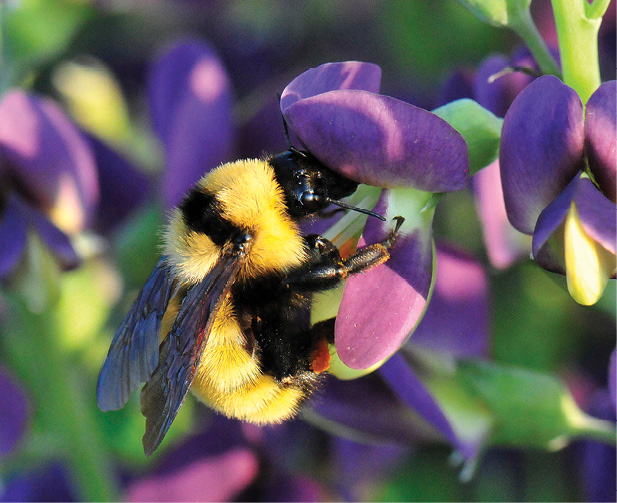
Figure 9
Photo Credit:
Patrick Beauzay, NDSU

Public Hearings and Meetings

Attend public meetings to hear about current policy initiatives and participate in discussions about supporting pollinator habitat. To find public hearings and meeting notices, check the city or town’s official website, where they often post agendas and announcements. Local newspapers may also carry these notices, along with public access TV or local radio broadcasts. The city clerk’s office typically has physical postings, online resources and social media platforms.
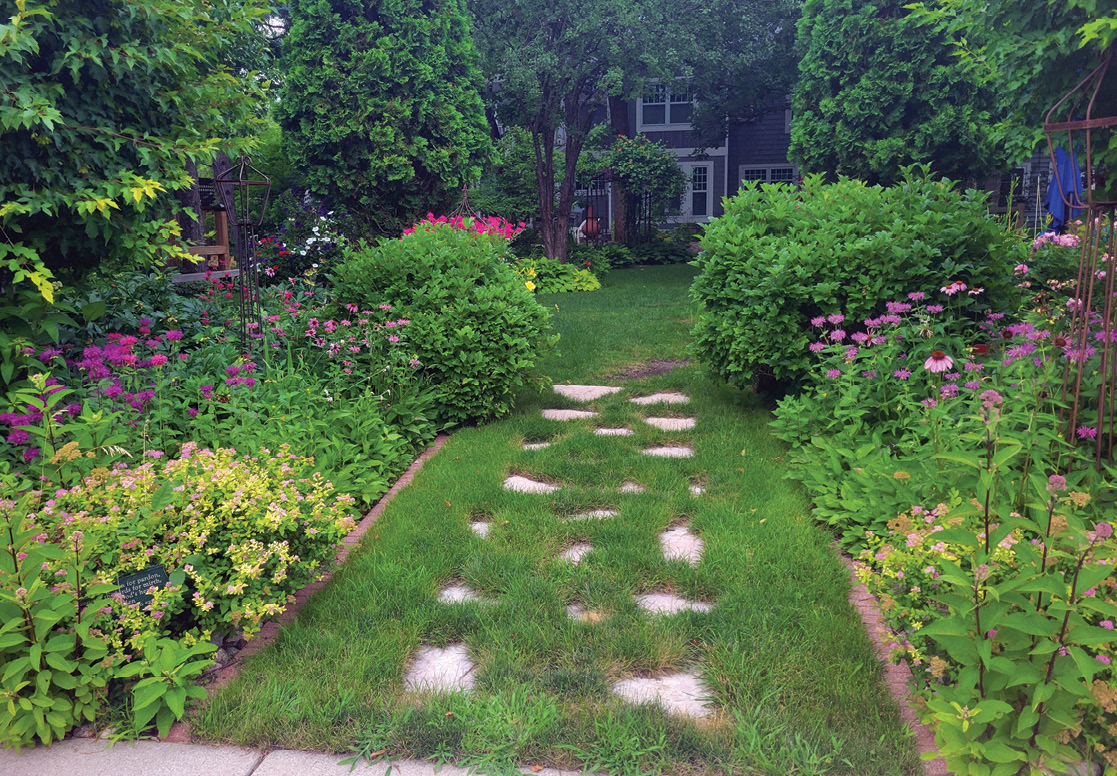
Figure 7
Photo Credit:
April Johnson, NDSU

Check Homeowners Association Covenants

When a homeowners association (HOA) governs the property, understanding its covenants is essential to planning pollinator habitat. Many HOAs appreciate well-maintained landscapes to increase property values and may be open to conversations about incorporating pollinator-supporting plants in ways that complement neighborhood aesthetics. Here’s how to investigate HOA covenants effectively:

  • Obtain a copy of the HOA’s rules, often called covenants, conditions and restrictions. These documents are typically available online, through the HOA board or from a real estate closing packet.
  • Review landscaping guidelines carefully to identify any restrictions on plant height, types of plants or garden layout. Watch for rules that limit tall grasses, wildflower meadows or front yard modifications.
  • Document what is allowed, including plant lists or approved landscaping zones, so that the proposed garden can be designed to abide within the covenants or to respectfully challenge those boundaries.
  • Start conversations with HOA board members or landscape committees early. Express interest in pollinator gardening, explain its benefits and ask if exceptions, special permits or pilot programs are possible.

Change the Rules

Changing municipal ordinances or HOA covenants to support pollinator conservation practices is sometimes necessary because they were drafted before the advent of the pollinator conservation movement. Consequently, existing ordinances or HOA covenants may be overly restrictive of pollinator plantings. However, changing the rules is not an insurmountable obstacle. Municipal officials or HOAs may be amenable to well-articulated policy changes and a clear understanding of the formal process.

Build Community Support

Before pursuing policy change, it is essential to gain support from neighbors. Community support can ease concerns, prevent opposition and create momentum for change. Whether the goal is to update municipal ordinances, revise HOA rules or simply establish a pollinator habitat in a residential area, outreach and education are key.

Engage Neighbors

Some residents may be unfamiliar with pollinator habitats or unsure about how they will look. Start by sharing examples of attractive, well-maintained pollinator habitats from similar neighborhoods or cities to show that these spaces can be both beautiful and ecologically beneficial. Framing the garden as both a habitat and a landscape feature helps shift the conversation from “wild and messy” to “purposeful and well-designed.”

To build understanding and support, consider hosting garden tours, informal Q&A sessions or neighborhood meetings. Use trusted resources — such as NDSU Extension publications on pollinator conservation — to provide clear, research-based information about native plants, maintenance practices and ecological benefits.

Once a pollinator habitat is in place, visible markers, such as the NDSU Extension Certified Pollinator Garden or Certified Bee Lawn signs, can help communicate the garden’s purpose. These signs show that the planting is intentional, supported by experts and meets defined conservation standards.

Extension County Agents

Extension county agents have access to extension publications on pollinator conservation and may host workshops to help gardeners plan pollinator habitats and select native plants. Agents may also have information on funding opportunities and cost-share programs for pollinator habitat creation and can offer guidance in garnering support for sustainable landscaping practices.

To utilize Extension county agents for help with pollinator gardens and city ordinances, start by identifying the local Extension office through NDSU Extension, University of Minnesota (UMN) Extension, Montana State University (MSU) Extension and South Dakota State University (SDSU) Extension. To contact the county agent, visit the county’s Extension website or call the office directly.

Soil Conservation Districts

Soil conservation districts exist in every county in North Dakota. Comprised of conservation professionals, they can assist in planning native plantings as well as procuring seeds and plants. Some districts even offer cost-share for the practices. To contact a soil conservation district, visit their website or call the office directly.

Extension Master Gardeners

The NDSU Extension Master Gardener Program is an excellent resource for public education and outreach. Master Gardeners (MGs) are trained volunteers who work with the public to promote sustainable gardening practices. They can provide guidance on selecting and planting native plants, managing local ecosystems and implementing best practices for creating habitats that support pollinators. Contact your Extension county agent to get connected with a Master Gardener who can help you plan a pollinator habitat garden.


QR Code 2
Photo Credit:
NDSU Photo
Scan to apply for a home pollinator garden or bee lawn certification.
QR Code 1
Photo Credit:
NDSU Photo
Scan to view a map of the NDSU pollinator teaching gardens.

Turn Support into Policy

When community support is in place, the next step is to officially suggest changes to municipal ordinances or HOA covenants. Making these changes takes a clear plan, good communication and an understanding of how the approval process works. The steps below provide a guide for updating local rules to support pollinator-friendly practices.

Municipal Codes

  1. Learn how the city or town handles changes to local ordinances. Many municipalities follow a set process that may include submitting a formal petition, collecting signatures or asking to be added to a city council agenda — often with deadlines and specific requirements.
  2. Once the process is understood, write a draft version of the proposed ordinance that matches the city’s format. Then contact and meet with city officials — such as council members, city planners, the city forester or sustainability committees — especially those already working on environmental efforts. These officials represent the community and are receptive to hearing resident-driven ideas. In smaller towns, the mayor may be available for direct discussion.
  3. Build support by asking local organizations like garden clubs, school programs, businesses or environmental groups to write letters of support in favor of the change.
  4. Explain how the proposal will help the environment, benefit the community and align with the city’s conservation and beautification goals. Strengthen the case with examples from other cities that have made similar updates and seen positive results.
  5. Be prepared to address concerns about pollinator habitat maintenance, such as weeding, trimming, plant height and seasonal cleanup. Consider including provisions for defined borders, setbacks from sidewalks or property lines, and design measures that will prevent plants from spreading into neighboring yards. A clear maintenance plan can ease worries about aesthetics, property values and enforcement.
  6. Before submitting the draft, review it with the city’s legal or planning department to ensure it fits within existing laws and can be enforced.
  7. Use public meetings to share the idea, answer questions and build more support. Spread the word through local news, social media or neighborhood newsletters to involve more residents and encourage public comments.
  8. Stay engaged through the entire process. Maintain communication with city officials, be open to feedback and adjust the proposal if needed. Changing a municipal ordinance takes time and teamwork, but it can create long-term benefits for pollinators and the whole community.

HOA Policies

  1. Review the rules that guide the HOA, often called covenants, conditions and restrictions. These documents explain how to suggest changes, which might include writing a request, speaking at a board meeting or getting votes from other residents.
  2. Check how the HOA has handled rule changes in the past. Some communities follow strict appearance guidelines and may be more open to a small, temporary trial — such as a test run of a pollinator garden — before making a permanent change.
  3. Write a clear example of the new rule. This helps the board see how it would work. For example, the rule might say native plantings are allowed in certain areas, must have defined borders or require board approval. Offer compromises, such as placing the garden in the backyard or choosing low-growing plants that blend with formal landscaping.
  4. Build support from neighbors who appreciate native plants. Share the benefits of pollinator gardens and bee lawns, such as saving water, reducing mowing and supporting butterflies and bees.
  5. To address concerns about appearance, show examples of attractive pollinator habitat — especially those that match the neighborhood’s style. Photos or design sketches can help residents and board members feel confident in how the pollinator habitat will look.
  6. When meeting with the board, be ready to answer questions about upkeep. Explain how the pollinator habitat will be maintained, including trimming, weeding and keeping plants within height limits.
  7. After the change is approved, stay in touch with the board and neighbors. Share success stories and photos, and check in to see how the new rule is working. A clear, well-supported plan that combines beauty and purpose is more likely to gain lasting support.
  8. Consider running for a position on the HOA board. Serving on the board gives you a voice in decisions and long-term planning. Board members help shape policies, and your presence can ensure pollinator conservation is part of future conversations and landscaping guidelines.

Case Study: Getting Community Support in Manitou Springs, Colorado

A compelling example of community-led education on pollinator conservation is the Manitou Springs Pollinator District in Colorado. In 2018, local residents launched a grassroots effort to support pollinator conservation in their town. They organized educational fairs, planted pollinator habitats and hosted annual Pollinator Festivals that featured student artwork, garden tours and support from local businesses. These events raised public awareness and built community pride around pollinator conservation. As a result, the initiative led to a significant increase in native plantings and improved habitat for local pollinators.
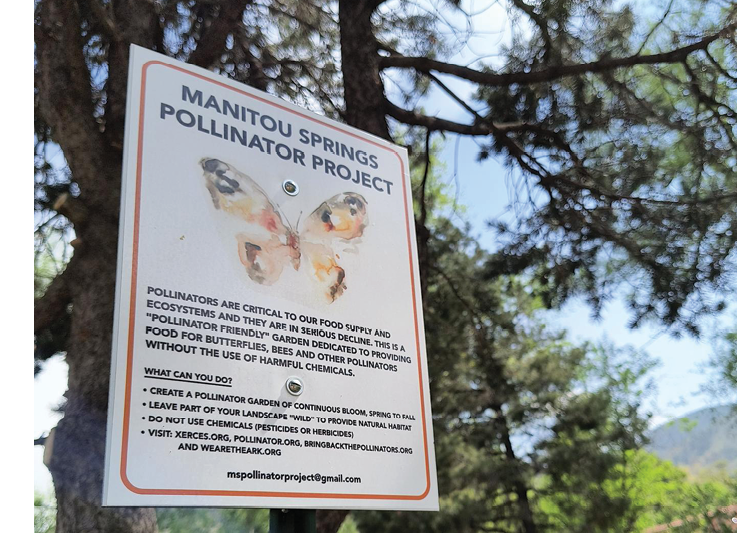
Figure 8
Photo Credit:
The Prospector

Bee Safety for All Ages

Taking simple precautions and spreading awareness can help ensure that everyone — from children to adults — enjoys their pollinator habitats safely while supporting bee populations.

  • Give bees space. Bees are generally nonaggressive if left undisturbed. Move calmly, avoid swatting and let them work.
  • Dress wisely. Wear light-colored clothing, as dark colors and bright floral patterns can attract bees.
  • Use protective gear. If working near active bees, wear long sleeves, gloves and a hat to reduce the chance of stings.
  • Avoid strong scents. Bees are drawn to perfumes, scented lotions and fragrant hair products.
  • Respect nests and hives. Stay at least 10 feet away and avoid disturbing them.
  • Work the garden at the right time. Bees are most active on warm, sunny afternoons — mornings and evenings may be safer for anyone wary of bees.
  • Observe from a distance. A magnifying glass or zoom lens allows for observing bees safely without getting too close.

Bee Sting Allergies: Those with severe bee allergies should carry an epinephrine autoinjector and take extra precautions when outdoors. If stung and experiencing difficulty breathing, swelling or dizziness, seek emergency medical help immediately.
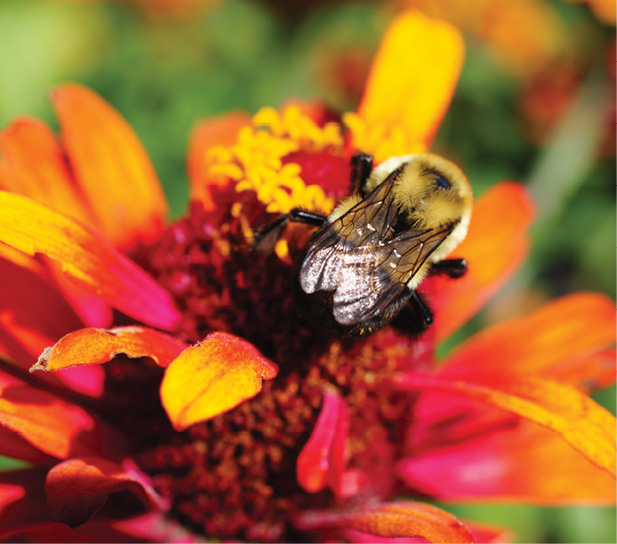
Figure 10
Photo Credit:
April Johnson, NDSU

Case Study: Changing Municipal Codes in Skokie, Illinois

In 2013, a proposed ban on beekeeping was introduced in the village of Skokie, Illinois, a suburb of Chicago. Local residents, including urban beekeepers and supporters of pollinator health, actively opposed the ban. They organized community meetings, educated the public on the benefits of beekeeping and highlighted the importance of pollinators in city environments. Due to these grassroots efforts, the proposed ban was defeated, and the village considered regulating backyard hives instead of implementing an outright prohibition. This case demonstrates how community advocacy can influence local policies to support sustainable practices and pollinator conservation.

Communicate with Confidence

10 Tips for Effective Communication with the Public, Municipal Officials
and the HOA Board

Whether presenting to municipal officials, emailing a sustainability committee or speaking at a public meeting, clear and strategic communication is essential when advocating for pollinator conservation policy changes. Effective communication can build trust, clarify intent and help others see the value of proposed ordinance updates. The following tips offer practical guidance for writing, speaking and connecting effectively with both decision-makers and the broader community.

  1. Know the Audience
    Tailor the message to match the priorities and values of the recipient — whether that’s a city official, HOA board or community member. For example, highlight economic savings with budget-conscious stakeholders and aesthetic improvements with neighborhood groups.
  2. Lead with Shared Goals
    Frame pollinator initiatives as supporting shared community goals such as beautification, saving money on water bills, increased property values or sustainability, rather than focusing solely on environmental advocacy.
  3. Keep It Clear and Concise
    Avoid jargon or overly technical terms. Use short, structured paragraphs or bullet points when writing, and stay focused on one or two key points in verbal conversations.
  4. Back Claims with Evidence
    Support arguments with brief data points, case studies or visuals (e.g., before-and-after photos of other pollinator-friendly cities or cost-benefit comparisons).
  5. Stay Positive and Solution-Oriented
    Focus on what can be done rather than what isn’t working. Frame the conversation around practical, attainable improvements rather than criticisms of current policy.
  6. Anticipate Concerns
    Proactively address common questions or objections, such as concerns about property appearance, pests or fire hazards. Having prepared responses shows professionalism and builds trust.
  7. Use Visuals and Examples
    Include photographs, renderings or examples from other communities to help others visualize the proposal and its benefits.
  8. Maintain Professional Tone
    Whether in writing or conversation, be respectful and diplomatic — even when encountering resistance. Keep all communication courteous and focused on collaboration.
  9. Invite Dialogue
    End messages with an invitation for feedback, a request for a meeting or a question that encourages response. Engagement builds relationships and opens doors for partnership.
  10. Follow Up and Express Gratitude
    After meetings or messages, send a thank-you note or email to reinforce the relationship, summarize key points and show appreciation for the recipient’s time and consideration.
Figure
Photo Credit:
Photo by Bianca Ackermann on Unsplash.

The FAME Method

Designing Beautiful and Biodiverse Pollinator Gardens with the Viewer in Mind

The FAME method is a simple, flexible design framework developed by NDSU Extension to help homeowners and community members create pollinator habitat gardens that are both ecologically beneficial and visually appealing. When used together, the FAME elements help make pollinator gardens more successful, sustainable and socially embraced.

F – Frame: Use paths, fences, borders or edging to clearly define the garden space. Framing transforms wild-looking plantings into intentional designs, helping neighbors and passersby see the beauty in biodiversity.

A – Accessorize: Incorporate eye-catching elements such as flowering trees, ornamental grasses, garden art or bee houses. These touches add structure, interest and seasonal appeal while supporting pollinators with food and shelter.

M – Maintain: Keep your garden clean and welcoming. Regularly weed, prune, eliminate trash and remove dead plant material in early spring (around 50 degrees Fahrenheit). Tidy edges show the garden is cared for and encourage neighborhood acceptance.

E – Educate: Add signage, labels or even QR codes to help others understand what they’re seeing. Explain which plants support pollinators or describe how native species benefit the ecosystem. It’s a garden as well as a conversation starter!

Weeds vs. Noxious Weeds

City weed ordinances typically address two categories: “weeds,” which are considered nuisance vegetation due to aesthetic or safety concerns, and “noxious weeds,” which are legally regulated and often defined by a state-designated list.

Weeds: Most city codes classify weeds as unwanted vegetation that exceeds a certain height (usually 6 to 12 inches) and plants that interfere with the use, appearance or safety of a property. For example, grass and non-noxious weeds on any property in Fargo, North Dakota, must be kept at or below 8 inches in height.

Noxious Weeds: Noxious weeds are designated by state or federal law due to their invasive nature, potential to harm agriculture, ecosystems, humans or animals, and resistance to standard landscaping control methods. In North Dakota, examples of noxious weeds include leafy spurge (Euphorbia esula), Canada thistle (Cirsium arvense) and purple loosestrife (Lythrum salicaria).

Conclusion

Pollinator habitat is more than a garden — it’s a form of stewardship, resilience and community pride. Homeowners, gardeners, teachers and neighbors have the power to make a meaningful difference. This publication is designed to provide the tools and confidence to navigate local rules, engage with the community and (when needed) pursue changes that make space for pollinators to thrive.

Laws and landscaping norms are not fixed. They evolve when citizens speak up, ask questions and work collaboratively toward shared goals. Across North Dakota and beyond, residents are already advocating for pollinator conservation — one yard, one ordinance, one conversation at a time.

Your Next Steps:

  • Learn the rules in your city or neighborhood. Knowledge is your strongest starting point.
  • Connect with allies. Neighbors, Extension agents, Master Gardeners and local organizations can help amplify your voice.
  • Share your vision. Use photos, signs and personal stories to inspire others and show how pollinator gardens bring beauty, biodiversity and value to the community.
  • Stay involved. Attend meetings, volunteer or even run for your HOA board or city council. You belong in the conversation.
  • Don’t be discouraged by resistance. Change takes time, but informed, respectful advocacy makes it possible.

Pollinator conservation starts with people who care. Let this guide be your starting point to create landscapes that are not only legal but also loved.

Resources

Online Tools and Information

NDSU Extension Gardening and Horticulture Website
(https://www.ndsu.edu/agriculture/extension/extension-topics/gardening-and-horticulture)

Collection of everything horticulture at NDSU — Master Gardener, pollinator conservation, the arboretum and teaching garden, plus the digital resource library.

NDSU Extension Social Media
Follow on Facebook (NDSU Extension Pollinator Conservation) and Instagram (@ndsu.ext.pollinator) for the latest gardening tips, plant recommendations and pro-pollinator landscaping strategies for North Dakota residents.

UMN Bee Lab
https://www.beelab.umn.edu
A comprehensive site from the University of Minnesota with research-based resources on native bees, bee lawns and pollinator trees and shrubs suitable for northern climates.

Relevant NDSU Extension Pollinator Publications

All are available at the NDSU Pollinator Hub.

  • “Bee Lawns: From Backyard Food Desert to Oasis”
  • “Bee-utiful Landscapes: Building a Pollinator Garden”
  • “The Monarch Butterfly Part II: Conservation Gardens in the Northern Plains”
  • “Insects that Look Like Bees”
  • “Meet the Threatened, Rare and Endangered Insect Pollinators of North Dakota”
  • “Pollination in Vegetable Gardens and Backyard Fruits”
  • “Pollinator Preferences for Selected Aster, False Indigo, Bee Balm and Sedum Flowers in North Dakota”