
Pocket Guide to Family Mealtimes
(FN2314 September 2026)Families are busy with activities, work schedules and social commitments. Food preparation takes time, requires shopping for ingredients and includes cleanup.
However, the benefits of gathering family and friends around a meal at any time of the day far outweigh the costs. Family mealtimes have many benefits.
Contact your county NDSU Extension office to request a printed copy.
NDSU staff can order copies online (login required).
Recipes
Sheet Pan Chicken with Butternut Squash
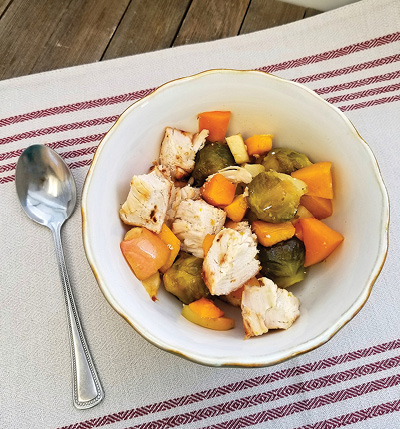
6 medium boneless, skinless chicken breasts
½ teaspoon salt, divided
½ teaspoon black pepper, divided
2 tablespoons honey, divided
2 tablespoons olive oil, vegetable oil or your favorite cooking oil, divided
2 tablespoons brown sugar, divided
1 medium apple, diced
1 medium butternut squash, peeled and diced
1 (12-ounce) package Brussels sprouts, fresh or frozen (thawed), halved
Parsley for garnish, optional
Preheat oven to 425 F and place the rack in the center of the oven. Prepare a rimmed baking sheet by lining with parchment paper or aluminum foil sprayed with nonstick cooking spray. Season each chicken breast with ¼ teaspoon salt and ¼ teaspoon pepper. Place chicken on the baking sheet and drizzle chicken with 1 tablespoon honey and 1 tablespoon olive oil, then sprinkle with 1 tablespoon brown sugar. Rinse the fruit and vegetables. Chop apple and squash. Add vegetables and apple to a medium bowl and drizzle with 1 tablespoon honey, 1 tablespoon oil, ¼ teaspoon salt, ¼ teaspoon pepper and 1 tablespoon of brown sugar. Toss gently to coat, then arrange the mixture around the chicken on the pan. Roast for 35 to 45 minutes or until chicken reaches a minimum internal temperature of 165 F and the vegetables are tender.
Makes six servings. Each serving has 410 calories, 8 grams (g) fat, 55 g protein, 34 g carbohydrate, 7 g fiber and 365 milligrams sodium.
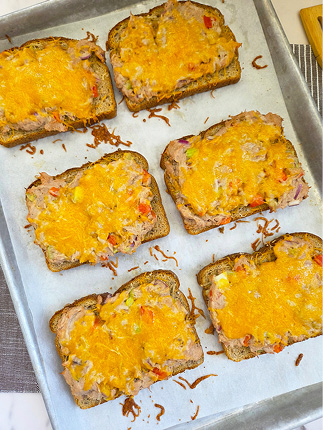
Sheet Pan Open-Face Tuna Melts
½ cup bell pepper, diced
¼ cup red onion, chopped
½ cup celery, chopped
4 (5-ounce) cans tuna in water, drained
1/3 cup light mayo
1 tablespoon Dijon mustard
1 teaspoon ground black pepper, or to taste
6 slices of wheat bread
¾ cup shredded Colby Jack cheese, or cheese of choice
Preheat oven to 375 F and line a baking sheet with parchment paper or aluminum foil sprayed with nonstick cooking spray. Rinse bell pepper, onion and celery. Chop the vegetables, then add to a medium-sized bowl. Open and drain cans of tuna before adding to the bowl of chopped vegetables. In another bowl, combine mayonnaise, Dijon mustard and black pepper. Mix until well combined. Place slices of bread on baking sheet and spread an even amount of tuna mixture on each slice before topping with cheese. Bake in the oven for 12 to 15 minutes, until the edges of the bread become toasted, the cheese is bubbly and everything is heated through.
Makes six servings. Each serving has 234 calories, 9 grams (g) fat, 24 g protein, 16 g carbohydrate, 2.5 g fiber and 570 milligrams sodium.
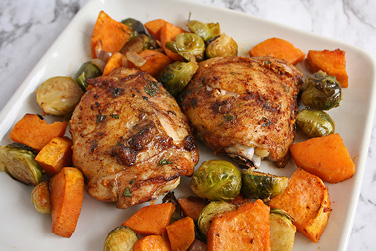
Sheet Pan Paprika Chicken and Vegetables
6 chicken thighs
¼ teaspoon salt, divided
1 pound Brussels sprouts, trimmed and halved*
2 sweet potatoes, peeled and cubed
2 shallots, peeled and quartered (or substitute ½ mild onion)
3 ½ teaspoons garlic, minced, divided
3 tablespoons olive oil (plus more for drizzling)
1 tablespoon fresh lemon juice
Spice mixture, divided according to the recipe directions
2 tablespoons paprika
1 teaspoon dried cilantro
1 teaspoon allspice
Preheat oven to 425 F and line a rimmed baking sheet with parchment paper or aluminum foil sprayed with nonstick cooking spray. Sprinkle chicken lightly with salt on both sides and set aside. Place the Brussels sprouts, sweet potatoes and shallots on the prepared pan. Season the vegetables lightly with salt. Drizzle with oil, then toss the vegetables to mix. In a small bowl, mix the spices. Sprinkle 1 tablespoon of the spice mixture over the vegetables. To the remaining spice mixture, add 2 teaspoons garlic, 3 tablespoons olive oil and 1 tablespoon lemon juice, and stir into a paste. Brush the chicken, including under the skin, with this paste. Add chicken to the pan and sprinkle remaining minced garlic over the chicken and vegetables. Roast for about 30 to 35 minutes, or until the chicken reaches an internal temperature of 165 F and the vegetables are tender.
*Frozen Brussels sprouts can be used, but thaw in the refrigerator or microwave before using in this recipe.
Makes six servings. Each serving has 430 calories, 26 grams (g) fat, 27 g protein, 19 g carbohydrate, 6 g fiber and 535 milligrams sodium.
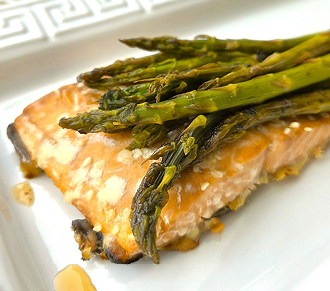
Sheet Pan Salmon with Roasted Asparagus and Balsamic Glaze
1 ½ pounds fresh asparagus, trimmed
2 tablespoons olive oil
2 tablespoons honey
2 tablespoons maple syrup
2 tablespoons balsamic vinegar
½-1 teaspoon black pepper
¼ tablespoon garlic powder
4 medium salmon fillets
Preheat oven to 400 F and prepare a rimmed baking sheet by lining with parchment paper or aluminum foil sprayed with nonstick cooking spray. Rinse the asparagus and trim off the woody ends before arranging them on the baking sheet in an even layer. In a small bowl, mix together oil, honey, maple syrup, vinegar and seasonings; whisk to combine. Use a brush to spread some of the glaze over the asparagus, then lay the salmon fillets, skin side down, on top of the asparagus and brush with the remaining glaze. Bake asparagus and salmon for 20 to 30 minutes or until the asparagus is fork-tender and the salmon flakes with a fork and reaches a minimum internal temperature of 145 F.
Makes four servings. Each serving has 565 calories, 21 grams (g) fat,69 g protein, 24 g carbohydrate, 3.5 g fiber and 246 milligrams sodium.
Sheet Pan Hawaiian Chicken
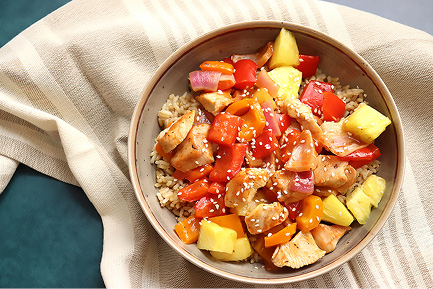
1 ½ pounds chicken breast (or boneless, skinless chicken thighs), cubed
Salt and black pepper (to taste)
1 tablespoon canola oil (or your favorite oil)
1 large red bell pepper, diced
1 large orange bell pepper, diced
½ red onion, cut into chunks
½ cup barbecue sauce (additional for optional topping)
1 cup pineapple chunks, canned (drained) or fresh
Juice of 1 lime
Chopped cilantro and white sesame seeds for garnish
6 cups cooked brown or white rice for serving
Preheat oven to 350 F and prepare a rimmed baking sheet lined with parchment paper or aluminum foil sprayed with nonstick cooking spray. In a large mixing bowl, season chicken with salt, pepper and a drizzle of oil. Next, add bell peppers, red onion and barbecue sauce to chicken. Use your hands (wearing plastic kitchen gloves if available), tongs or a spoon to mix until the ingredients are evenly coated. Spread the mixture in an even layer on the prepared baking sheet. Bake for 20 minutes, then remove the pan and add pineapple chunks. Return to the oven for 15 to 20 minutes or until chicken reaches an internal temperature of at least 165 F. Remove sheet pan from the oven and squeeze lime juice over the mixture. Garnish with cilantro and sesame seeds if desired. Serve with a side of rice.
Makes six servings. Each serving (with rice) has 470 calories, 6 grams (g) fat,32 g protein, 71 g carbohydrate, 5 g fiber and 320 milligrams sodium.
Sheet Pan Crispy Tacos
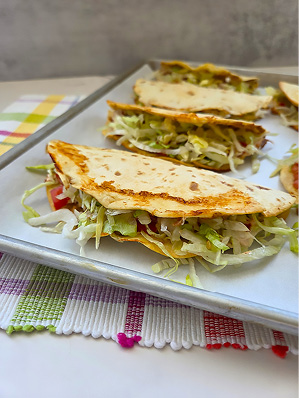
1 pound ground turkey or extra-lean ground beef, cooked and drained, or shredded rotisserie chicken
1 medium tomato, diced
3 cups iceberg lettuce, shredded
12 (6-inch) flour tortillas, white or wheat
1 cup refried beans (or canned pinto or black beans, drained and rinsed)
1 ½ cups Mexican blend cheese, shredded
1-2 tablespoon(s) olive oil, canola oil or oil of choice
Sauce
1 cup plain Greek yogurt or light sour cream
1 tablespoon lime juice
2 teaspoons low sodium taco seasoning
1 teaspoon honey
Preheat oven to 400 F and line a large baking sheet with parchment paper or aluminum foil sprayed with nonstick cooking spray. Brown the ground meat or shred the chicken. Rinse the tomato and lettuce. Dice the tomato and shred the lettuce, and set aside. Spread beans on half of each tortilla. Add the cooked ground meat or chicken on the other half. Make sure the layering is even so it cooks properly. Sprinkle cheese on top before folding in half to make tacos. Brush the side of the tacos that are facing up with oil and place in oven. Bake for 20 to 25 minutes, flipping halfway through and brushing the other side of the taco with oil to allow both sides to get crispy. While the tacos are cooking, add the Greek yogurt, lime juice, seasoning and honey in a small bowl and mix well. Remove tacos from oven, open and top with lettuce, tomatoes and a drizzle of the sauce.
With ground turkey: Makes 12 servings. Each serving has 245 calories, 11 grams (g) fat, 19 g protein, 23 g carbohydrate, 2 g fiber and 320 milligrams sodium.
With extra lean ground beef: Makes 12 servings. Each serving has 250 calories, 10 grams (g) fat, 18 g protein, 23 g carbohydrate, 2 g fiber and 320 milligrams sodium.
Sheet Pan Sausage, Zucchini and Gnocchi Pasta
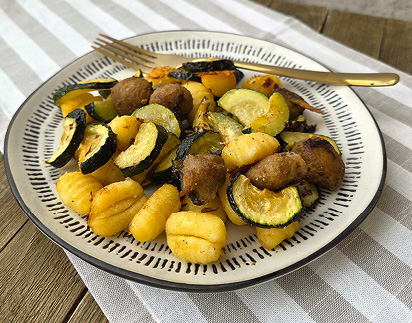
2 medium zucchini, sliced
¾ pound potato gnocchi*
1/3 pound Italian sausage or turkey sausage
1 ½ tablespoons olive oil
½ teaspoon salt
½ teaspoon black pepper
¼-½ teaspoon red pepper flakes
2 tablespoons garlic, minced
2 tablespoons butter or olive oil
1/8 cup shredded Parmesan cheese, for topping
Preheat oven to 400 F and line a rimmed baking sheet with parchment paper or aluminum foil sprayed with nonstick cooking spray. Slice zucchini into half-moons. Place zucchini, gnocchi, sausage, olive oil, seasonings and garlic in a single layer, crumbling the sausage across the pan. Bake in the oven for 30 minutes, turning halfway through baking. After removing from the oven, add butter or olive oil and shredded Parmesan cheese. Toss again before serving.
*Gnocchi is available in the freezer section of many grocery stores.
Makes six servings. Each serving has 230 calories, 15 grams (g) fat, 7 g protein, 15 g carbohydrate, 1 g fiber and 574 milligrams sodium.
Sheet Pan Beef Sirloin or Chicken Fajitas
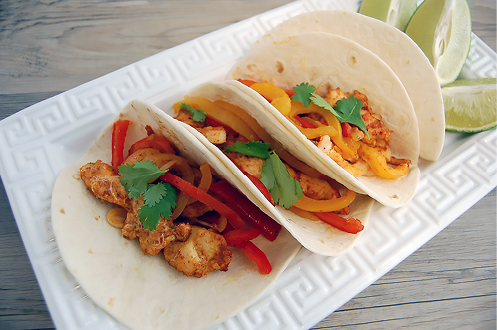
1 ½ pounds sirloin steak (or boneless, skinless chicken breasts), cut into ½-inch strips
2 red bell peppers, sliced into strips
1 green bell pepper, sliced into strips
1 onion, sliced into strips
1 packet reduced-sodium taco seasoning
3 tablespoons olive or canola oil
1 lime
10 (6-inch) whole-wheat tortillas
Optional toppings: shredded cheese, salsa, sour cream, avocado slices
Preheat oven to 425 F and prepare a rimmed baking sheet by lining with parchment paper or aluminum foil sprayed with nonstick cooking spray. Prepare ingredients as directed. Place the steak or chicken, bell peppers and onion in a large bowl. Sprinkle with taco seasoning and drizzle with oil. Toss until evenly coated. Spread the mixture in an even layer on a baking sheet. Bake for 20 to 25 minutes or until the meat is fully cooked. Chicken should reach a minimum internal temperature of 165 F. Beef should reach a safe internal temperature based on the desired degree of doneness. Squeeze lime juice over the mixture and serve with whole-wheat tortillas and optional toppings.
Makes 10 servings (one fajita per serving). When prepared with chicken and no added toppings, each fajita has 240 calories, 8 grams (g) fat, 20 g protein, 27 g carbohydrate, 3.5 g fiber and 290 milligrams sodium.
Makes 10 servings (one fajita per serving). When prepared with beef and no added toppings, each fajita has 260 calories, 9 grams (g) fat, 19 g protein, 25 g carbohydrate, 4 g fiber and 290 milligrams sodium.
Be sure to thoroughly rinse all fresh fruits and vegetables before preparing as directed in the recipe. Use a food thermometer to gauge doneness.
See the Now You’re Cookin’! series at NDSU Extension for meal planning and preparation tips and recipes. See the Pinchin’ Pennie$ series for ways to use what is already in your pantry to make soups, casseroles, stir-fries and many more. See www.ag.ndsu.edu/food for many recipes and ways to enjoy a variety of foods. Family meals do not need to be elaborate. Even a simple meal shared together can strengthen relationships, encourage healthier eating habits and create lasting memories. Start with one more shared meal this week. Here are several sheet pan recipes to get you started. These offer quick preparation and cleanup.
Special thanks to Lindsey Barton and Mackenzie Parker, program assistants, and Ada Erlandson, Extension associate, for testing and photographing the recipes.
Funding for this product was made possible with funding from the North Dakota Department of Agriculture through the U.S. Department of Agriculture’s Specialty Crop Block Grant program (24SCBPND1257). Its contents are solely the responsibility of the author and do not necessarily represent the official views of the USDA.