Title

Managing Stressed or Damaged Crops for Livestock Feed

(AS1256, Revised Nov. 2026)
Summary

Stressed crops resulting from unfavorable weather conditions require special management considerations. Assessing crop growth and development and determining the best management alternatives for use as feed or forage are important. Yield and quality of frost- and drought-damaged crops usually are maximized when harvested as silage.

This is also true for crops that are immature due to late planting or poor growing conditions.

Other Authors

Miranda Meehan, Extension Livestock Environmental Stewardship Specialist
Andrew Friskop, Extension Plant Pathologist
Karl Hoppe, Extension Livestock Systems Specialist
James Rogers, Extension Forage Specialist

Availability
Availability:
Available in print from the NDSU Distribution Center.

Contact your county NDSU Extension office to request a printed copy.
NDSU staff can order copies online (login required).

Publication Sections

Frost

Silage Corn

Frost-damaged corn for silage can be classified in two ways:

  • Immature – If the killing frost occurs before the plant is mature, it will appear drier than nonfrosted corn of the same moisture content. Although leaves may brown along the edges and dry rapidly after a few sunny days, the green stalk and ears do not, and they can still be high in moisture content. Make sure the moisture of the whole plant is not greater than the optimum range of 63% to 68%.
  • Mature – If the killing frost occurs after the plant has reached maturity, indicated by the black layer on the kernel, the whole-plant moisture content will fall rapidly. If moisture content has dropped below 60%, a finer chop of ¼ inch should be considered to improve packing. Although yield per acre is reduced, high-quality silage still can be harvested from frost-damaged corn.

Corn Grain

The severity of damage to corn grain varies with temperature, length of exposure to freezing temperatures, and growth stage. Freezing temperatures for several hours may kill the plant, depending on the location of the growing point. The crop should be assessed three to five days after frost to determine if plants will recover. If new growth is not evident, the plant is likely dead.

Late-season frost damage can affect grain quality and yield. Test weights may be 52 pounds/bushel or less, depending on maturity. In addition, protein and digestibility may be reduced. Low-test-weight corn is still useful for livestock feed; however, feed analysis is recommended to determine nutrient composition and the potential presence of mycotoxins.

Warm-season Annuals

Frost injury to sudangrass and sorghum can cause a rapid release of prussic acid that is highly toxic to livestock. A light frost may not kill the entire plant, and if growing conditions are favorable, new shoot and leaves can be produced by the plant that can be high in prussic acid. Delay grazing until a killing frost has killed the entire plant. Grazing of sorghum/sudan grass forages following a killing frost should be delayed 10 days to two weeks to reduce the incidence of prussic acid poisoning.

Frost-damaged forage sorghum can be managed for silage similarly to frost-damaged corn. New varieties of sorghum-sudangrass have been released with a prussic acid-free (PF) trait that removes the risk of prussic acid poisoning. Millets do not have prussic acid poisoning and are best grazed or hayed.

Alfalfa

Alfalfa that has received a frost can cause bloat. Bloat occurs when gases created by fermentation cause the rumen reticulum (part of the cow’s stomach) to inflate or overstretch. The frost ruptures the plants’ cell walls, increasing the potential for bloat due to an accentuated number of small particles and availability of rapidly fermentable material.

If the frost is a killing frost, the highest risk of bloat occurs immediately after the event. However, if it is not a killing frost, the bloat risk is greater a few days following the frost event. This is because a killing frost ruptures all the cell walls, whereas a less severe frost event only ruptures some of the cell walls in the leaves.

Alfalfa is more likely to cause bloat when grazed or fed as green chop immediately after a frost. If grazing, wait at least 10 days or until the above-ground portion of the plant has died back following a killing frost. Alfalfa that is mowed, wilted and stored as haylage is not likely to cause bloat.

Extended or slow drying periods can lead to mold and possible mycotoxin growth. Analysis for mycotoxins is advised when molds are seen or when conditions that allow mold growth are high.
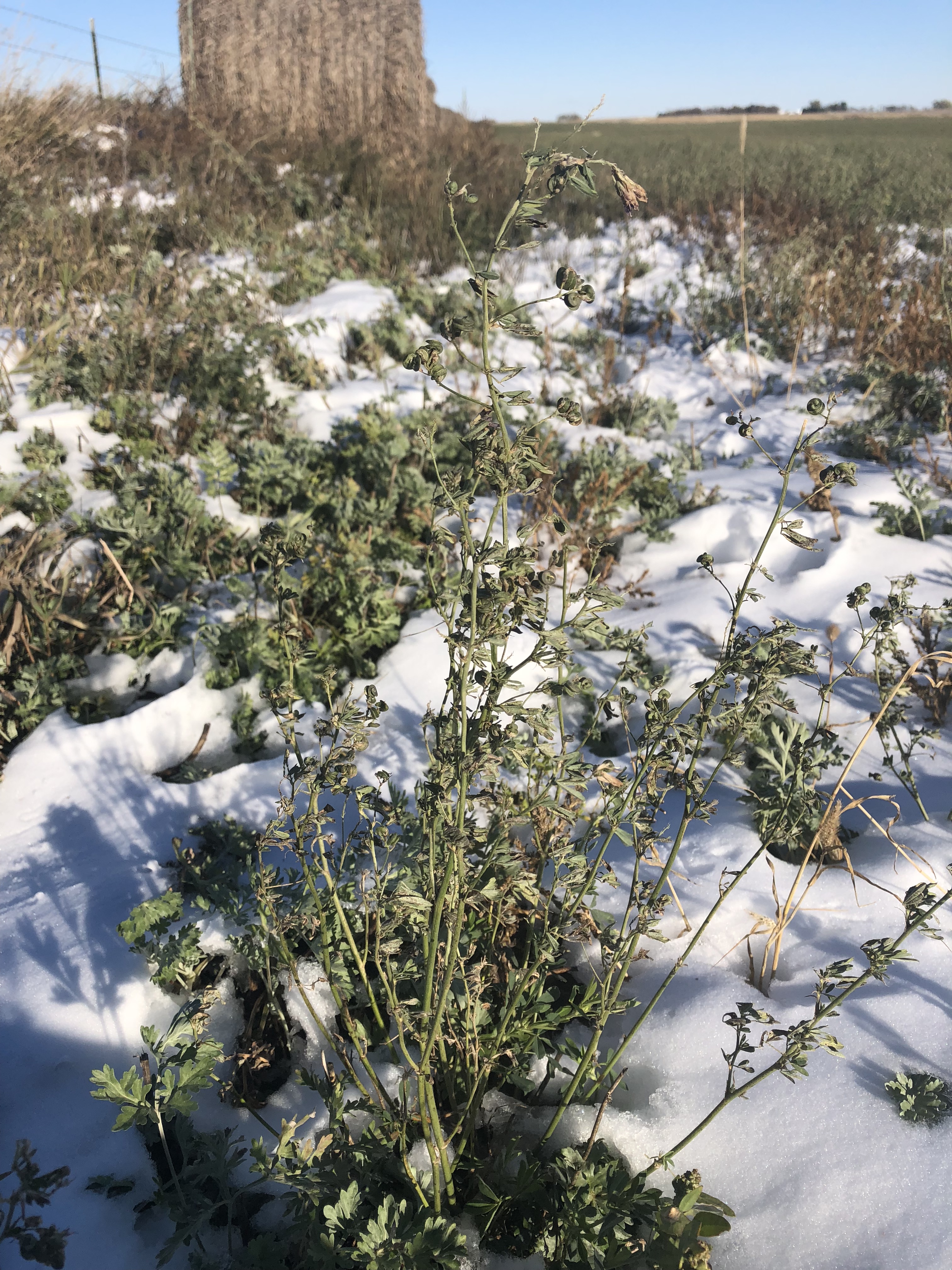
alfalfa with snow on the ground
Photo Credit:
Kevin Sedivec, NDSU
Frost-damaged alfalfa can cause bloat, with the greatest risk occurring following a killing frost.

Drought

Drought can be very stressful to crops. Drought stress can result in a variety of issues in forage crops, including inadequate moisture and/or potential toxicities. In addition, drought often results in failure of cash crops and their use as livestock forage; these crops can be toxic and need to be managed properly when feeding.

Corn

Depending on severity, drought usually requires a choice between two management options:

  • If the plant is not going to resume growth following a long drought, it should be ensiled as soon as possible. Delaying ensiling will lower quality and yield.
  • A shorter, less severe drought usually will result in plant immaturity at harvest time. The plant will appear drier than it appears, so check plant moisture.

Although yields of drought-damaged corn can be quite low, the feeding value of the silage is 75% to 90% of normal corn silage. If corn has moisture levels below 55% to 60%, the better option may be to let it dry and bale it as dry corn stover. High nitrates may be a concern with stover and/or silage, so testing a representative sample for nitrate before feeding is important.

Moisture levels should not exceed recommended ranges, and use caution concerning potential nitrate problems. Refer to the nitrate section for more information. Corn silage should be between 62% and 68% moisture, and hays/stover should be less than 14% moisture when baled.

Plant disease issues are less of a concern during drought years, but one ear mold to scout for in hot and dry environments is Aspergillus ear rot. This ear rot is rarely observed in the northern Great Plains and appears as dusty olive-green spores on the cob. The pathogen produces the mycotoxin known as aflatoxin, which is harmful to livestock health.

Alfalfa

Drought-stressed alfalfa generally will exhibit lowered yields with reduced stem growth and a higher leaf-to-stem ratio. This produces a crop with above-normal protein content and below-normal fiber levels. Ration adjustments may be required.

Small Grains

Drought-stressed crops can accumulate nitrates to levels that may be toxic to livestock. Drought-stressed small grains, such as oats and barley, can accumulate nitrates when they become drought stressed, increasing the risk of nitrate poisoning. Refer to the nitrate section for more information.

Another concern with using non-harvested crops as feed is herbicide restrictions. Refer to the herbicide restriction section below.

Canola

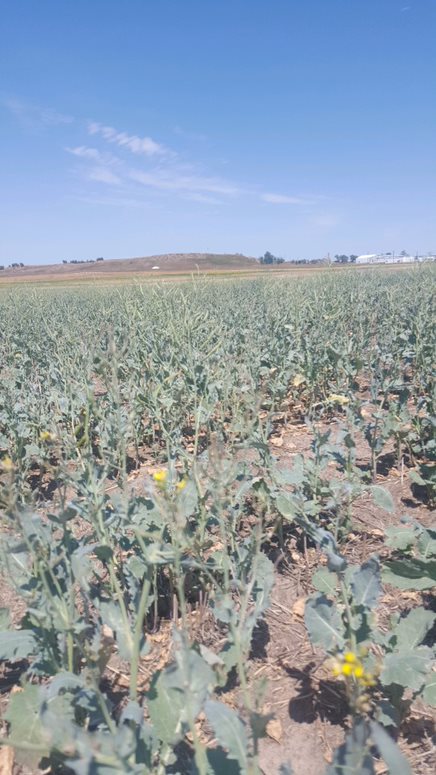
Canola in a field during drought
Photo Credit:
Janna Block, NDSU
Using drought-stressed canola as feed can lead to bloat, sulfur toxicity and nitrate poisoning.

Drought-stressed canola or canola stubble can be used as an alternative forage, but livestock producers need to take certain precautions. Forage rapeseed (canola) has a nutrient content that’s similar to alfalfa, with crude protein of 12% to 14% and total digestible nutrients (energy) of 55% to 60%. Crude protein and energy levels will be higher if the crop is cut in the early podded stage rather than after the lower leaves begin to drop.

Bloat and scours can be a concern, and elevated levels of sulfur and nitrates are possible. To reduce the potential for digestive disorders, acclimate cattle for at least seven to 10 days and blend the canola with other feeds so canola hay or silage is less than 50% of the total feed intake.

Sulfur levels in canola can range from 0.5% to 1.3% on a dry-matter basis. Producers should keep total dietary sulfur below 0.4% on a dry-matter basis. Feeding sulfur above this threshold can result in hemolytic anemia, interfere with livestock’s use of the trace minerals copper and selenium, and lead to polioencephalomalacia (PEM). Clinical signs of PEM include a lack of muscle coordination, facial tremors, teeth clenching, circling, stupor and cortical blindness, followed by animals leaning or lying, convulsions and death.

Drought stress in canola can also lead to the accumulation of nitrates in the plants, which warrants caution when devising feeding plans.

As with small grains, producers also need to be aware of any withdrawal periods associated with pesticides or herbicides that were applied to the standing plants.

If canola is hayed, drying time is critical to avoid moldy feed later. Typically, the plants take four to six days to dry to proper moisture levels (16% to 18% moisture content) for baling. Canola tends to turn dark as it cures, but this shouldn’t affect palatability.

Ensiling may be a better option if it is leafy and has some height, although canola is high in moisture (75% to 80%) and wilting it to 65% moisture will take time. Harvesting a mixture of the mature stand and the regrowth will reduce the moisture, and crimping will hasten the drying process. Seepage and ensiling problems may occur if canola is ensiled at moisture contents greater than 70%.

Follow these recommendations for safely introducing livestock to canola hay or silage:

  • Introduce canola hay or silage slowly by replacing a part of the diet for several days.
  • Have other types of forage available for cattle in confinement for the first two weeks as canola is being introduced.
  • Test hay or silage for concentrations of sulfur and nitrates, and formulate rations or design feeding schemes to reduce the consequences of risky feed components.

Follow these recommendations for safely introducing livestock to canola hay or silage

• Introduce canola hay or silage slowly by replacing a part of the diet for several days.

• Have other types of forage available for cattle in confinement for the first two weeks as canola is being introduced.

• Test hay or silage for concentrations of sulfur and nitrates, and formulate rations or design feeding schemes to reduce the consequences of risky feed components.

Excess Moisture Corn
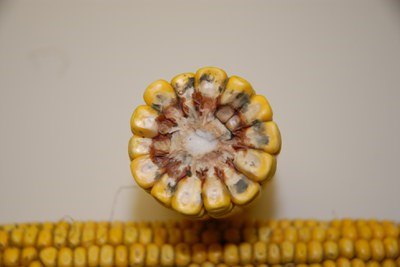
mold on a corn cob
Photo Credit:
NDSU
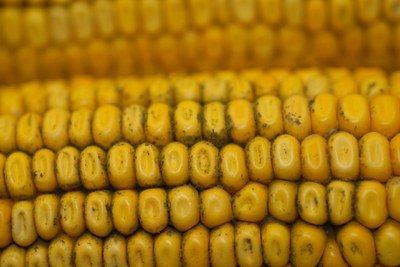
Corn ear molds caused by high moisture can produce mycotoxins.
mold on a corn cob
Photo Credit:
NDSU

Corn can be harvested as silage, earlage, high-moisture grain, dry corn and stover. Many options are available based on varying degrees of moisture content.

Ear mold issues can occur during a wet fall and delayed harvest. Several fungi can colonize corn. They include nonmycotoxin-producing fungi (such as Cladosporium, which is black) and mycotoxin-producing fungi (such as Fusarium, which is white to pink).

Different Fusarium species produce different mycotoxins. Fusarium graminearum can lead to the production of deoxynivalenol (vomitoxin) and zearalenone. Other Fusarium species produce fumonisins. If you see high levels of mold growth on corn, you should get it tested for mycotoxins. Refer to the NDSU Extension publication “Harvesting, Storaging and Feeding High-moisture Corn,” available at
www.ndsu.edu/agriculture/extension/publications/harvesting-storing-and-feeding-high-moisture-corn.

Cool-season Cereal Crops

Fusarium head blight (FHB) associated mycotoxins (i.e., vomitoxin) are the most concerning issues with wheat, barley, oats and rye. Higher levels of FHB are more likely to occur when a susceptible variety is used during years with high humidity and frequent rainfall prior to and after heading. If Fusarium head blight was found in a small-grain field, it likely will have vomitoxin, but the levels are difficult to predict. High vomitoxin levels greater than 20 parts per million (ppm) can occur in small grains, but management tools such as resistant varieties and fungicides can drastically reduce vomitoxin levels. It is best to get samples tested for vomitoxin if high levels of FHB are observed and/or a concern.

The U.S Food and Drug Administration has set advisory vomitoxin levels for beef and feedlot cattle 4 months or older at 10 ppm, and feed with vomitoxin cannot exceed 50% of their total diet. Research conducted at NDSU and the University of Minnesota suggests that beef and feedlot cattle can tolerate vomitoxin levels up to 18 and 21 ppm, respectively.

Wheat makes excellent livestock feed but ferments rapidly in the rumen, which greatly increases the potential for digestive issues such as acidosis, bloat and founder. This risk may be decreased slightly when grazing whole grain due to its fibrous material and a hard seed coat.

If much of the wheat has significant sprout damage, it will significantly reduce, but not eliminate, the risk of acidosis. If sprouts are visible on standing grain, much of the starch has been used as a food source that allowed the seedling to grow. Any remaining grain still could contribute to the potential for acidosis, but the overall starch level will be reduced significantly.

Limit wheat to 0.4% of body weight when used as a supplement for beef cows, or 5 to 6 pounds per head per day for hard wheat and 3.5 to 4.5 pounds per head per day for durum.

If grazing, cattle should be strip grazed to limit grain intake. Yield needs to be determined so producers can use that number to evaluate how many acres should be available to livestock on a daily basis.

Some of the fields may have shelled out, but others may have significant grain remaining. The first step is to determine the amount of yield potential, so producers know how much grain would be available to livestock. Strip grazing should be limited to no more than three days, with one to two days preferred, to reduce digestive issues.

Ergot is another concern in high-moisture small grains. Ergot is well adapted in the state, with a very large grass host range, including quackgrass, brome grass and small grains. Ergot is common in cool, wet conditions that support the pathogen.

Ergot bodies contain toxic ergopeptide alkaloids that have a higher toxicity in cattle, compared with vomitoxin. Ergot poisoning may result in tail and ear losses, lameness, loss of hooves and even abortions. Specialists recommend sampling grain and having it analyzed for ergot.

Nitrates

The potential for high nitrate levels occurs when crops such as corn and small grains are exposed to stress situations, including drought, hail, frost, cloudy weather and fertility imbalances. Nitrates accumulate in the lower portion of the plant when stresses reduce the crop yield to less than the supplied nitrogen fertility level. Nitrates are responsible for lethal silo gas and interfere with the ability of blood to carry oxygen when fed to animals.

When chopping stressed plants, a 12-inch stubble should be left. If rain falls during chopping, allow three days before resuming chopping.

Plants that recover from stress situations eventually will convert nitrates into a nontoxic form. As a general recommendation, feeding programs should be modified if feed contains more than 1,000 ppm of nitrate nitrogen. Feeding stressed crops as silage rather than green chop is best because fermentation can reduce nitrate levels by approximately 50%.

Ruminants can be fed higher-nitrate feeds if the rumen bacteria are given time to adapt by gradually increasing the volume of high-nitrate feed in the ration. Problems also can be reduced by diluting the high-nitrate feeds with other feeds and avoiding the use of nonprotein nitrogen sources, such as urea or ammonia.

For a more detailed discussion on nitrate poisoning, see NDSU Extension publication V839, “Nitrate Poisoning of Livestock,” available online at www.ndsu.edu/agriculture/extension/publications/nitrate-poisoning-livestock.

Table 1. Nitrate levels in forages for cattle.

Nitrate (NO3)
(%)
Nitrate Nitrogen
(NO3-N)
(ppm)
Recommendations
Adapted from: Cornell University
0.0 - 0.44<1,000Generally considered safe for livestock
0.44 - 0.661,000 - 1,500Safe to feed to nonpregnant animals. Limit use for pregnant animals to 50% of total ration on a dry matter (DM) basis.
0.66 - 0.881,500 -2,000Limit to 50% of the total DM ration for all animals.
0.88 - 1.542,000 - 3,500Feeds should be limited to 30% to 35% of the total DM in the ration. Feeds in excess of 2,000 ppm nitrate nitrogen should not be fed to pregnant animals.
1.54 -1.763,500 - 4,000Feeds should be limited to 25% of total DM in the ration. Do not feed to pregnant animals.
More than 1.76>4,000Feeds containing these levels are potentially toxic. Do not feed.

Analysis of drought-stressed crops evaluated by NDSU Extension during the 2017 drought.

FeedNo. of SamplesCrude Protein
(percent)
TDN
(percent)
Potassium Nitrate
(percent)
Min. Nitrate
(percent)
Max. Nitrate
(percent)
Barley811.067.40.30.250.4
Canola318.563.71.91.12.5
Flax112.557.00.30.250.25
Millet312.062.20.90.251.4
Oats910.861.40.50.250.9
Pea97.152.90.30.250.25
Silage38.182.70.30.250.25
Soybeans116.959.50.30.250.25
Sudan39.772.30.60.251.1
Wheat611.267.90.30.250.25
Prairie Hay–6.248.0–––
Corn Silage–9.070.0


Prussic Acid

black cows grazing in a field
Photo Credit:
Miranda Meehan, NDSU
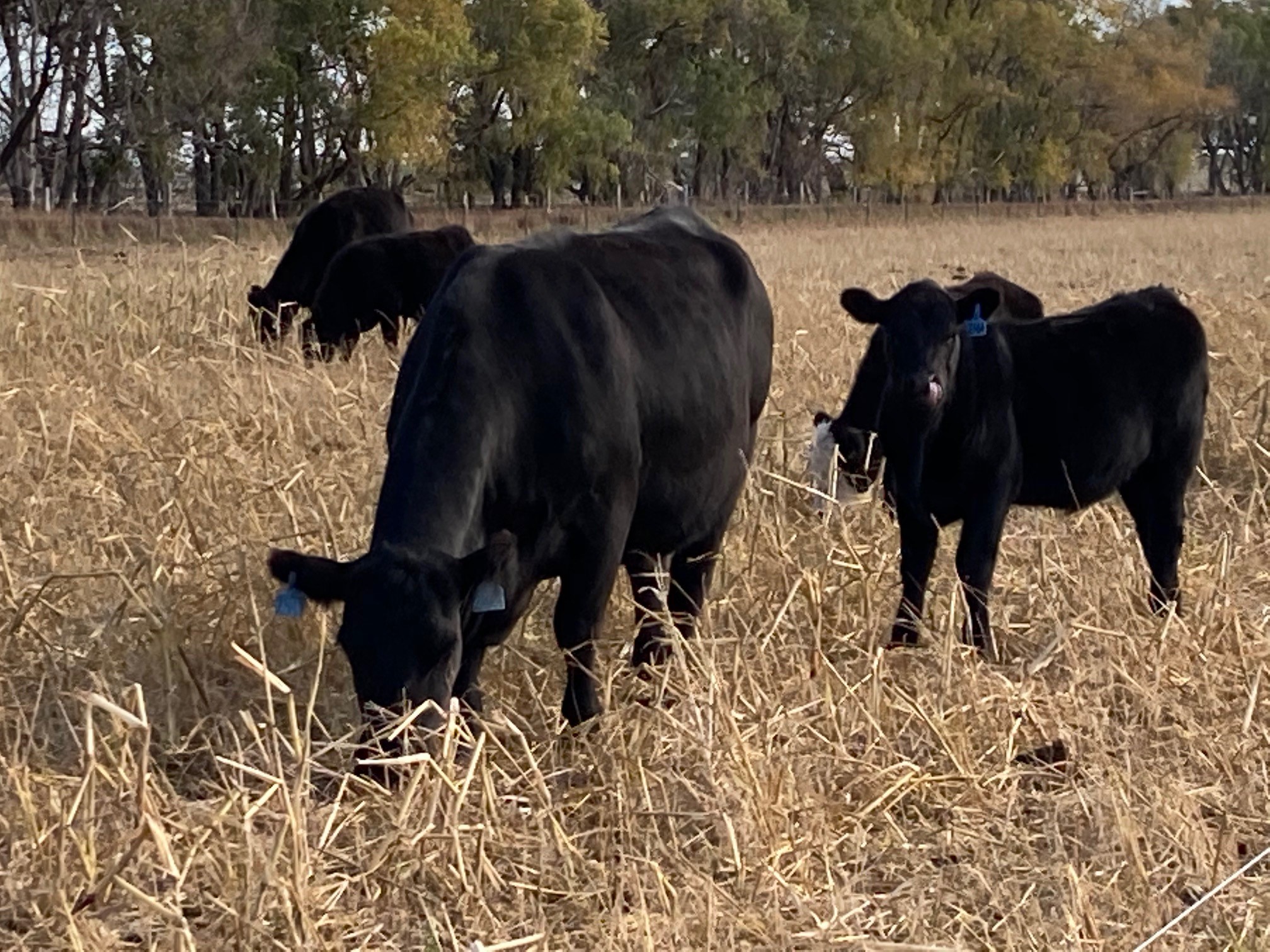
Cows grazing a frost-damaged warm-season cover crop may result in prussic acid poisoning.

Prussic acid accumulates in sorghum and sundangrass that grow rapidly following stress. Poisoning occurs when animals graze young sorghum plants, drought-stunted plants, or damaged or stressed plants.

Sorghum plants are poisonous after a frost that kills the tops but not the crown, or when new growth is brought on by a rain following a drought. If new shoots develop after a light frost, grazing should not occur until after a killing frost.

Minimum plant growth for safe grazing, green chopping or silage making is 18 inches for Piper sudangrass and 30 inches for sorghum-sudangrass. Forage sorghums should be headed out. If crops are hit by a frost at these stages, producers should wait three days before grazing or ensiling. If the plants are frosted before these maturity stages, two weeks should be allowed before ensiling.

The ensiling process as well as field curing and drying for hay will decrease 50% to 70% of the prussic acid.

For a more detailed discussion on prussic acid, see NDSU Extension publication V1150, “Cyanide Poisoning,” available at www.ndsu.edu/agriculture/extension/publications/cyanide-poisoning-prussic-acid-poisoning-and-hydrocyanic-poisoning.

Herbicide Restrictions

Another concern with using nonharvested crops as feed is herbicide restrictions. Previous herbicide usage may influence using small-grain crops as livestock feed. Most herbicides have grazing and feeding restrictions stated on the label that limit the use of the crop for livestock feed. However, the labels are often vague regarding specific information on use of grain crops as forage for livestock, as this is not their normal use.

Grazing and harvesting a crop for feed following herbicide use is often prohibited because research on residue levels in the crop is inadequate. The effect of the chemical or its breakdown products on livestock or retention in the animal’s body may not be known. Livestock that consume crops treated with such herbicides probably would not become ill from the chemicals but could retain them in their systems.

The concern is that herbicides could be passed in the milk of lactating animals or cause abortions in pregnant animals. The chemical also may have potential to be retained by the animals and be present in the slaughtered carcass. Although these problems are not likely to occur, labeling restrictions are strict and should be adhered to. The presence of foreign chemicals in milk or meat of animals can result in confiscation and destruction of the products and loss of income from these animals.

The herbicide label is always the final authority on herbicide uses and precautions. Information on the toxic effects of herbicides on animals is not readily available. However, the “North Dakota Weed Control Guide” contains grazing and feeding restrictions for herbicides commonly used on small-grain crops.

Other Management Considerations for Stressed Crops

  • Soil fertility with high nitrogen/low phosphorus increases the risk of high nitrates and prussic acid.
  • Drought or stressed silage should ferment a full three weeks before feeding.
  • High-nitrate feeds cause fewer problems if cattle are introduced slowly with more frequent feedings than normal.
  • Silo gas is most common in high-nitrate silage, but caution should always be exercised. Silo gas can be brownish, yellowish, reddish or colorless and is lethal to humans and livestock. Silo gas is heavier than air and often descends silo chutes. The blower should be run for 15 minutes before entering a silo. If a person is exposed to silo gas, a doctor should be consulted immediately.
  • Obtain a postensiling forage analysis of suspected problem silage and consult a nutritionist or Extension agent for feeding recommendations.
  • Do not feed green chop that has heated after cutting or that has been held overnight. Heating favors the formation of nitrite, which is more toxic than nitrate.
  • Drought-stressed small-grain forages and other forages suspected of being high in nitrates should be tested before feeding.

    For any questions about submitting samples to a laboratory for analysis, contact the North Dakota State University Veterinary Diagnostic Laboratory at 701-231-8307 or visit www.vdl.ndsu.edu.

Related NDSU Extension Materials

If you see high levels of mold growth on corn, we recommend you get it tested for mycotoxins. Refer to the NDSU Extension publication Harvesting, Storing and Feeding High Moisture Corn.

• Yield estimates on NDSU's Ag Hub.

• Specialists recommend sampling grain and having it analyzed for ergot. See the Ergot in Small Grains publication.

• Nitrate Poisoning of Livestock publication

• Cyanide Poisoning publication

• The North Dakota Weed Control Guide contains grazing and feeding restrictions for herbicides commonly used on small-grain crops

This publication was authored by J.W. Schroeder, retired NDSU Extension dairy specialist