2025: Monitoring for Resistance Breakdown in the Clubroot Resistant Cultivars of Canola
(Research Report, Langdon REC, December 2025)In the ongoing annual clubroot survey in canola fields, a crucial research initiative was conducted in 21 counties of North Dakota. The survey revealed a breakdown of first-generation resistance to clubroot in resistant canola cultivars in Cavalier County for the second consecutive year (Table 1). The breakdown of cultivar resistance to clubroot is a significant threat to the canola crop. However, with the proper measures, such as practicing longer crop rotations (one in four years) in acidic soils, using multi-gene clubroot-resistant canola cultivars, and maintaining proper equipment sanitation in endemic areas, growers can play a crucial role in preventing the spread of clubroot. These measures have been proven effective, and we urge you, as key stakeholders, to implement them with confidence. A grower’s commitment to cleaning equipment thoroughly after working in a clubroot-infected field is critical, as the primary mechanism of spread between fields is the movement of infested soil on farm equipment.
Table 1: Level of clubroot damage observed in clubroot-resistant cultivars released by four different seed companies that are widely planted to manage clubroot in NE North Dakota.
Clubroot Resistance Breakdown | |||
|---|---|---|---|
| Characteristics of | Herbicide Trait | Level of Clubroot Damage | |
| Clubroot Resistant Cultivar* | |||
| LibertyLink +RoundUp Ready | Severe (100% DSI) /Heavy Yield Losses | |
| LibertyLink | Severe (100% DSI) in Patches | |
| LibertyLink + RoundUp Ready | Severe (100% DSI) in Patches | |
| LibertyLink | Found galls in low levels (5% DSI) | |
*Clubroot resistant cultivars of canola were designated differently by respective industries.
Notice: Growers who are curious about the presence of clubroot/resting spores in their field(s) are encouraged to contact Dr. Venkat Chapara at the Langdon REC (701-256-2582), NDSU Cavalier County Extension Office (701-256-2560), or NDSU Extension (701-231-8363).
Figure 1: Severe galling of the roots was observed in the clubroot resistant varieties of canola.
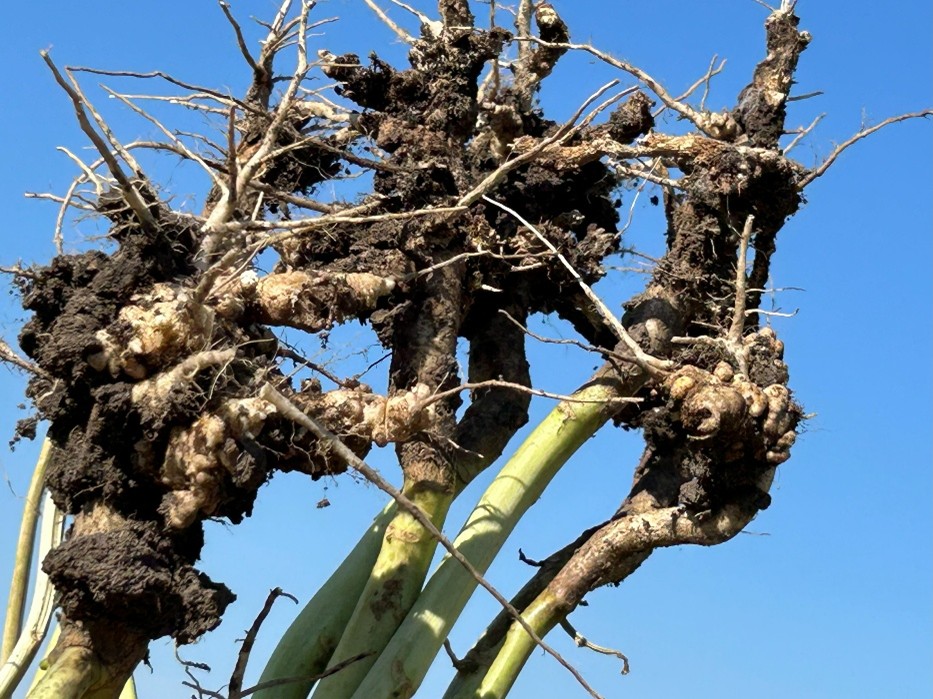
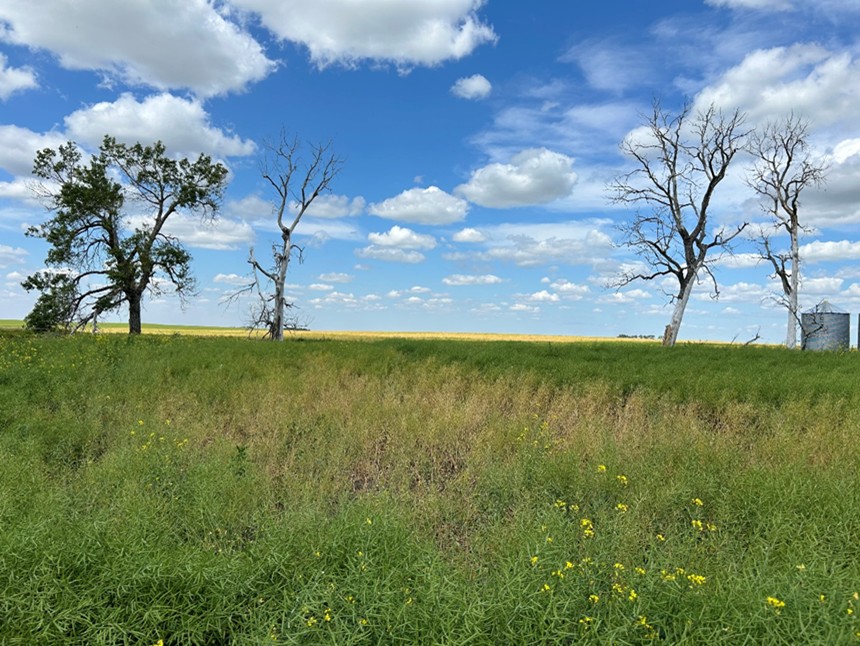
Figure 2: Patch of clubroot infections in a canola field planted with a clubroot resistant variety.