

Exploring North Dakota Foodways: Indigenous Foods and Traditions
(FN2306, June 2026)Special thanks to our history content reviewers, Tammie Nadeau, NDSU Extension agent in Grand Forks County (and enrolled member of the Turtle Mountain Band of Chippewa), and Arlan Littlewolf, NDSU Extension agent in Cass County (and enrolled member of the Leech Lake Band or Ojibwe), for their input and review of this project.
Note: There is a wide diversity in Indigenous tribes in the Midwest and throughout the U.S. This is no way representative of all Indigenous peoples. This handout and accompanying lesson will provide a slice of the culture, but we invite you to explore books, cookbooks, attend a powwow and visit museums to learn more about Indigenous culture.
Recipes and Tips
The recipes in this publication reflect both ancestral ingredients and the resilience of Indigenous foodways. The recipes include one side dish, one sauce, two snacks and three main dishes.
In our testing, we made a few minor adjustments to the traditional recipes to align with modern nutritional advice and available ingredients while maintaining the taste of these generational dishes.
We encourage you to prepare one or more of these recipes to experience the taste of Indigenous foodways. We have provided a corresponding lesson to provide a deeper look into the rich history of Indigenous Peoples in North Dakota. This lesson is available through NDSU Extension. We hope you enjoy learning about the first food practices established in North Dakota. Consider exploring museums and local gatherings or powwows to gain a deeper knowledge of Indigenous culture.
Key to Abbreviations
c. = cup
tsp. = teaspoon
Tbsp. = tablespoon
oz. = ounce
lb. = pound
g = gram
mg = milligram
qt. = quart
Three Sisters Soup
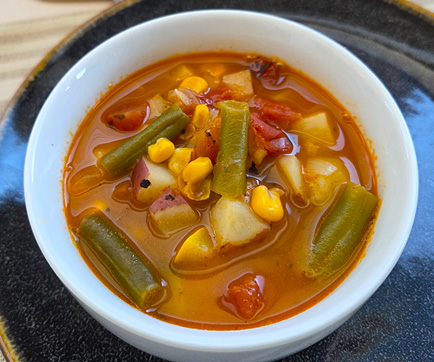
The Three Sisters refers to an ancient Indigenous American companion planting method of growing corn, beans and squash together. Each plant supports the others: corn offers a stalk for beans to climb, beans provide nitrogen to the soil, and squash spreads out to shade the ground, helping to suppress weeds and retain moisture. When grown this way, these plants create the perfect ecosystem for each one to thrive. This soup honors Indigenous knowledge of companion planting, seasonal harvest and plant-based nourishment that sustained communities for generations.
2 Tbsp. canola, vegetable, or oil of your choosing
1 yellow onion, diced
2 cloves garlic, minced
1 lb. (about 4) red potatoes, diced, with skin on|
1 ¼ tsp. chili or chipotle powder
1 ¼ tsp. cumin
2 bay leaves
4 c. low-sodium chicken broth
2 (14.5 oz.) cans diced fire-roasted tomatoes
1 zucchini, diced
1 yellow squash, diced
2 ¼ c. sweet corn (3 ears of corn, kernels removed or frozen kernels)
2 c. fresh or frozen green or kidney beans, rinsed and drained
Black pepper to taste
Optional: fresh parsley and grated Parmesan cheese
Heat oil in a large pot or Dutch oven. Add onion to sauté for about 5 minutes, stirring often, until soft. Add garlic and cook for 1-2 minutes longer. Add the potatoes, seasonings and bay leaves. Cook for a few more minutes, stirring almost constantly. Add broth and tomatoes and bring to a boil. Lower the heat to simmer until the potatoes are just tender, about 15 minutes. Add remaining vegetables and bring back to a boil. Season as desired. Cover and let simmer for about 15-20 minutes, until the vegetables’ skins are tender. Add water if the soup seems too thick. Remove bay leaves before serving. Garnish with fresh parsley and a sprinkle of cheese for serving, if desired.
Makes 10 servings. One serving with kidney beans has 190 calories, 4 g fat, 8 g protein, 30 g carbohydrate, 6 g fiber and 590 mg sodium. One serving with green beans has 145 calories, 3 g fat, 5 g protein, 25 g carbohydrate, 4.5 g fiber and 440 mg sodium.
Pemmican
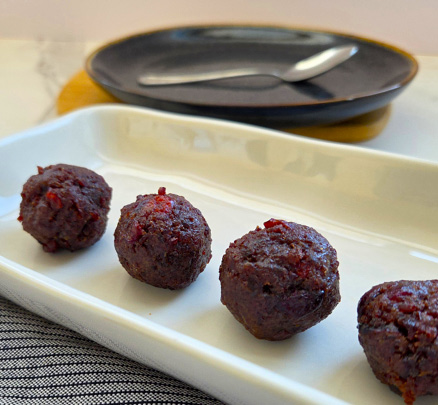
Pemmican (pronounced “PEM-ih-kuhn”) is a traditional, nutrient-dense food developed by Indigenous Peoples of the northern Great Plains for survival. Originally made from dried meat, rendered fat and berries, it was designed for long-term storage and travel, providing concentrated energy during hunting, trade and the long winter months. Pemmican reflects deep knowledge of food preservation, sustainability and the use of every part of the animal. To learn more about drying meat, see our “Jerky: A Native American-inspired snack we all can enjoy today” handout.
½ lb. jerky, pulverized to a powder
¼ c. honey or maple syrup
½ c. dried berries
3 Tbsp. sun butter
Pulverize the jerky into a powder, using a food processor or blender. Warm the honey or maple syrup. Combine all ingredients. Form into 24 balls. Store in a plastic bag in a cool, dry place.
Makes about 24 balls. One ball has 70 calories, 3 g fat, 3 g protein, 6 g carbohydrate, 0.5 g fiber and 175 mg sodium.
Corn No-Bake Energy Balls
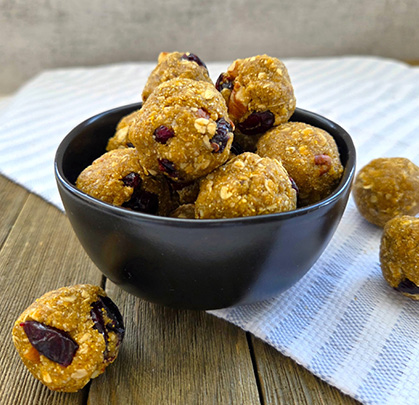
Corn has been viewed as a sacred staple food for many Indigenous Nations for thousands of years. It represents life, sustenance and community. These energy balls incorporate cornmeal alongside nuts and dried fruit, reflecting a traditional plant-based combination similar to pemmican. This recipe offers a modern take on ancestral ingredients that have helped fuel generations.
¾ c. rolled oats
½ c. corn flour or meal
½ tsp. ground cinnamon
¼ c. sun butter or nut butter
2 Tbsp. unsweetened applesauce
1 Tbsp. water
2 Tbsp. honey or maple syrup
¼ c. dried fruit
¼ c. unsalted nuts, chopped
Combine oats, corn flour and cinnamon in a medium bowl. Stir in nut butter, applesauce, water and honey or maple syrup. Gently stir in dried fruit and nuts. Roll the mixture into 1-inch balls, using about 1 heaping Tbsp. each. If the mixture is too dry, add 1 Tbsp. of water.
Makes about 18 balls. One ball has 75 calories, 3 g fat, 2 g protein, 10 g carbohydrate, 1 g fiber and 12 mg sodium.
Boulettes and Bangs
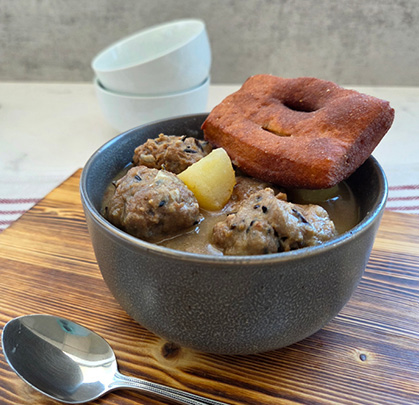
Boulettes (pronounced “boo-LETs”) are associated with Métis food traditions of the northern Great Plains, including communities in North Dakota and surrounding regions. Boulettes are the French translation for “balls” or “meatballs.” The meatballs reflect the blending of Indigenous and European culinary influences. They reflect communal cooking practices and the importance of sharing meals within family and community gatherings.
Bangs, commonly referred to as fry bread, is widely recognized as a food of resilience among many Indigenous communities. Bangs are derived from the French word for “donut” or “beignets.” It emerged during a time when Native peoples were forcibly removed from their homelands and issued government rations such as flour, sugar and lard. While rooted in hardship, it has become a symbol of resilience, adaptation and cultural continuity. Today, fry bread is often served at gatherings, powwows and celebrations.
Boulettes and Bangs is a well-known dish in the Turtle Mountain reservation in North Dakota. This dish combination is well known for being prepared for New Year’s Day celebrations. This tradition is believed to bring good fortune into the new year.
Boulettes
1 medium yellow onion, finely chopped
½ c. uncooked wild rice
3 medium potatoes, peeled and cut into 1-inch cubes
1 ½ lbs. ground beef
1 tsp. salt
1 tsp. pepper
1 c. whole wheat flour
6 c. low-sodium beef broth
Preheat oven to 425 F. Chop onion and potatoes. Mix onions and wild rice with ground beef, salt and pepper. Form into round balls (about 25). Roll each ball in the flour. Add more flour as needed. In a large pot, bring broth to a boil. Add potatoes to the pot and let simmer for 20 minutes. Feel free to add any of the remaining flour from the meatballs to the pot. Bake the meatballs on a sheet pan for 20 minutes, turning them halfway through. Transfer meatballs into boiling broth one at a time so it keeps boiling. Make sure there is at least 2 inches of broth above the meatballs. Let simmer for 30 minutes or until done.
Makes about 7 servings (3 meatballs each). One serving has 430 calories, 15 g fat, 33 g protein, 42 g carbohydrate, 4 g fiber and 825 mg sodium
Bangs
1 packet of yeast
1 c. water
2 c. wheat flour
¾ c. powdered milk
1 Tbsp. sugar
1 tsp. salt
2 ½ qt. canola or egetable oil (amount dependent on fryer)
Combine yeast and warm water together to activate, following the instructions on the packet. Let sit for 5-10 minutes. Combine dry ingredients and add half of the activated yeast, then mix. Add small amounts of the yeast into the mixture until a dough-like consistency is formed. Form the dough into a circular shape. Sprinkle flour on a flat surface and roll out the dough using a rolling pin. From the flattened dough, cut rectangles, no larger than 3-4 inches in height, and cut two small lines in the center. Fry dough triangles in oil at 375 F until golden brown on each side. Look for the golden color on the bottom edges and then flip over to other side (about 2 minutes on each side).
Makes about 17 bangs. Nutritional information for bangs cannot be determine due to frying method being used.
Chive-Cheese Cornbread
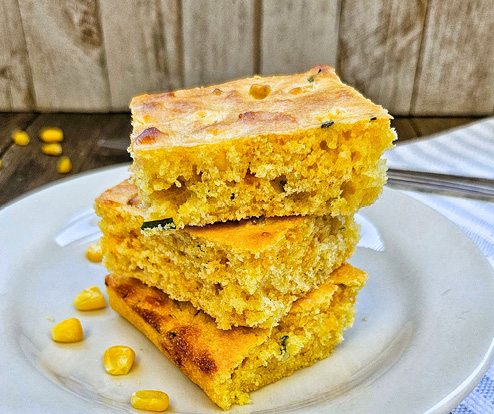
Cornbread highlights the importance of corn in Indigenous foodways. While modern versions include dairy, wheat flour and added sugar, the foundation of this dish is cornmeal. Adding herbs emphasizes traditional uses of wild plants for flavor and nutrition.
1 c. cornmeal
1 c. all-purpose flour
¼ c. sugar
4 tsp. baking powder
2 large eggs, room temperature
1 c. 2% milk
¼ c. butter, melted
1 c. sharp cheddar cheese, shredded
3 Tbsp. chives, minced
½ c. frozen corn, thawed and drained if needed
Preheat oven to 400 F. In a large bowl, combine cornmeal, flour, sugar and baking powder. In another bowl, whisk the eggs, milk and butter. Stir wet ingredients into dry ingredients just until moistened. Gently fold in cheese, chives and corn. Pour mixture into a greased 13-by-9-inch baking pan. Bake until golden brown, about 18 minutes. Cut into pieces and serve warm.
Makes 12 servings. Each serving has 200 calories, 8 g fat, 6 g protein, 27 g carbohydrate, 1 g fiber and 135 mg sodium.
Wojapi
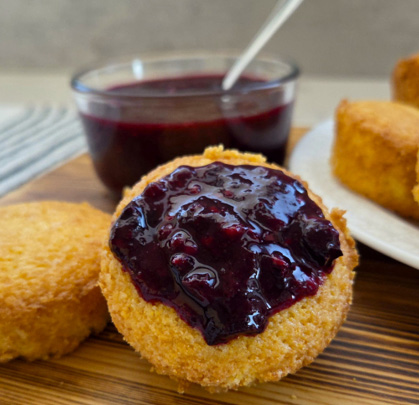
Wojapi (pronounced “Woh-Zjah-pee”) is a traditional berry sauce common among Great Plains tribes. It is often made with chokecherries, blueberries or other native berries. Made by slowly simmering berries, it naturally thickens as it cooks rather than by adding starch. This recipe reflects the importance of honoring the land’s natural sweetness and preserving traditional harvesting practices. For more information on this food, see our “Wojapi (Berry Sauce) for Canning” handout.
3 ¼ c. mixed berries
½ c. water
Optional: 1-2 Tbsp. honey or maple syrup
In a medium saucepan, mix the berries with the ½ cup of water on medium-low heat. Simmer, stirring frequently, until the berries have mostly broken down and formed a thick sauce. This could take 20-30 minutes, depending on the berries. If desired, incorporate honey into the mix.
Makes about 14 (2-ounce) servings. One serving has 30 calories, 0 g fat, 0 g protein, 7 g carbohydrate, 1 g fiber and 0 mg sodium.
Harvest Bowl
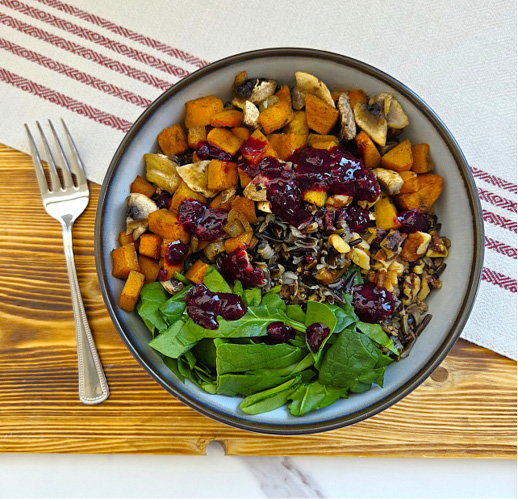
This harvest bowl brings together ingredients deeply rooted in Indigenous food systems of the northern Great Plains: wild rice, squash, root vegetables, berries, nuts and bison. These foods help us reflect on seasonal harvesting, respect for the land, and sustainable hunting and gathering practices. The combination of these ingredients helps us honor the tradition of nourishing the body through what the land provides.
Roasted Vegetables:
1 turnip
2 shallots
1 butternut squash
1 sweet potato
2 Tbsp. sunflower or olive oil
2 tsp. dried sage
2 tsp. dried oregano
2 Tbsp. maple syrup
2 Tbsp. maple or balsamic vinegar
1 tsp. whole grain mustard
1 c. mushrooms
Meat:
2 Tbsp. sunflower or olive oil
1 lb. ground beef or bison
1 tsp. dried sage
2 tsp. dried oregano
Additional ingredients:
2 c. wild rice, cooked
2 c. spinach, chopped
½ c. toasted walnuts
Optional topping:
Wojapi
Preheat oven to 425 F. Peel and cut the turnips, shallots, squash and sweet potatoes into 1-inch pieces. Toss with oil, sage and oregano. Roast in the oven for 30-40 minutes. In a small bowl, whisk together maple syrup, maple or balsamic vinegar and mustard. Add the mushrooms to the pan and toss the dressing over everything. Roast an additional 7 minutes. In a large skillet or pan, heat oil. Add the beef or bison and season with dried sage and oregano. Cook until brown. Prepare wild rice and chop spinach. Place ingredients in individual serving bowls and top with toasted walnuts and wojapi.
Makes about 6 servings. One serving has 555 calories, 27 g fat, 27 g protein, 51 g carbohydrate, 10 g fiber and 285 mg sodium.
References
Cajete, G. (2000). Native Science: Natural laws of interdependence. Clear Light Publishers.
Hess, J. M., et al. (2025). Creating a nutrient-dense menu using foods consumed by Native communities in the Northern Great Plains prior to 1851 for use in dietary intervention trial. Current Developments in Nutrition, 9(9), 107522. https://www.sciencedirect.com/science/article/pii/S247529912502983X?via…
Partnership for Food Safety Education (2026). The core four practices. Partnership for Food Safety Education. https://fightbac.org/food-safety-basics/the-core-four-practices/
State of North Dakota. (2020). Tribal governments. North Dakota Be Legendary. https://www.nd.gov/government/tribal-governments
Wilson, G. L. (1987, October 15). Buffalo Bird Woman’s garden: Agriculture of the Hidatsa Indians. University of Pennsylvania Digital Library. (Original work published in 1917). https://digital.library.upenn.edu/women/buffalo/garden/garden.html
Resources
FN2262 Wojapi (Berry Sauce) for Canning
FN2266 Jerky: A Native American-inspired snack we all can enjoy today
This project was made possible, in part, with funding from the North Central Region Food Safety Modernization Act Center and the Food and Drug Administration, and from the North Dakota Department of Agriculture through the U.S. Department of Agriculture’s Specialty Crop Block Grant Program.
To learn more about food preservation, visit Food Preservation 101 available on the NDSU Extension Food and Nutrition website.
