

Planting plans and field inspection deadlines
The Carrington Research Center Foundation Seed program started our initial planting plans in early February. The history of varieties grown and herbicides used, for each field, along with historical seed sales are considered in the planning process. Early planting communication occurs between the CREC director, Foundation Seedstock managers and director, NDSU plant breeders, ND Crop Improvement and Seed Association (NDCISA) personnel and private industry personnel. This communication provides necessary planting information on varietal continuance, new varieties, and potential new experimental increases.
The REC Spring Conference in early March is the scheduled meeting for the NDSU Foundation Seed Program Planting Intentions for each REC. A list of 14 crops and almost 70 different varieties and potential new releases were discussed before selection for planting at each Center. Last-minute variety planting changes will happen until seed is in the ground.
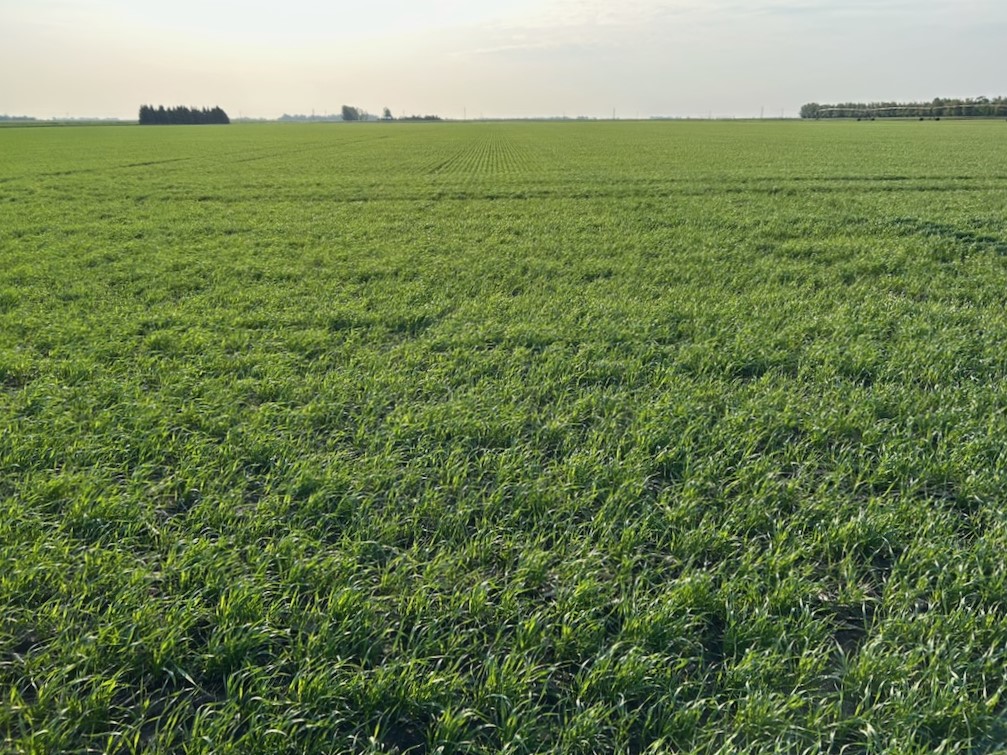
A three-inch rain late last fall and about 50 inches of snow over the winter helped provide decent moisture for spring planting. April 24 started our spring season with barley planting. With minimal delays, planting went well and our cool season crops were completed on May 15. Rain, totaling 2.4 inches for the May 17 event, helped reduce the effects of record high temperatures and strong winds. Soybeans have been planted and, as a supplement to our CREC Livestock Unit, hay barley, silage corn, and a custom blend for grazing was planted.
Our program planted nine crops and thirty varieties, including seven new experimental lines and three new varieties.
| Crop | Owner | Varieties | Notes |
| Barley (2-row) | NDSU | 2 | 1 experimental |
| Barley (2-row) | NDCISA | 1 | new and named |
| Corn Silage | 3 | ||
| Durum | NDSU | 2 | 1 experimental |
| Field Peas | NDSU | 1 | |
| Field Peas | NDCISA | 2 | |
| Field Peas | Valesco Genetics | 2 | |
| Flax, brown | NDSU | 1 | experimental |
| Flax, brown | NDCISA | 1 | |
| Flax, yellow | NDSU | 1 | experimental |
| Flax, yellow | NDCISA | 1 | |
| Hard Red Spring Wheat | NDSU | 5 | 2 new lines released in July for distribution in 2026 |
| Hay Barley | 1 | ||
| Soybeans, conventional | NDSU | 3 | |
| Soybeans, RR1 | NDSU | 3 | 1 experimental/0.1 maturity |
| Winter Rye | NDSU | 1 |
Finally, note three highlights from the State Seed Department as you complete Field Inspection Reports, which are due June 15 for small grains.
- Applications are available online at the State Seed Department website or at your local county Extension office. Bulk certificates or seed tags must be sent along as verification for each seed lot. Payment information is on the last page; remember to sign and date your application. Each field should have an FSA map or GPS markings for a legal description.
- Durum requirement: the current planted field must have a previous two-year history of no wheat. Applications will fail without it.
- Field requirements: field edges must have a five-foot isolation strip/buffer such a ditch, fence line, or a mowed or tilled area. This area must be visible before the inspector comes.
Good luck with your season.
David Copenhaver
David.Copenhaver@ndsu.edu
Foundation Seedstock Manager
