

The life of a cycle: from roars to lulls to hums
Merriam-Webster defines cycle as “a course or series of events or operations that recur regularly and usually lead back to the starting point.” This idea of cycles has been a recurring thought in my mind for a while now. People are familiar with many cycles in agriculture: the cattle cycle, the production cycle, the reproduction cycle, etc. The list could go on. Of course, I often talk about the nutrient cycle in my line of work. Explained, we grow the feed that feeds the animals, which make manure that fertilizes the feed we grow to feed the animals.
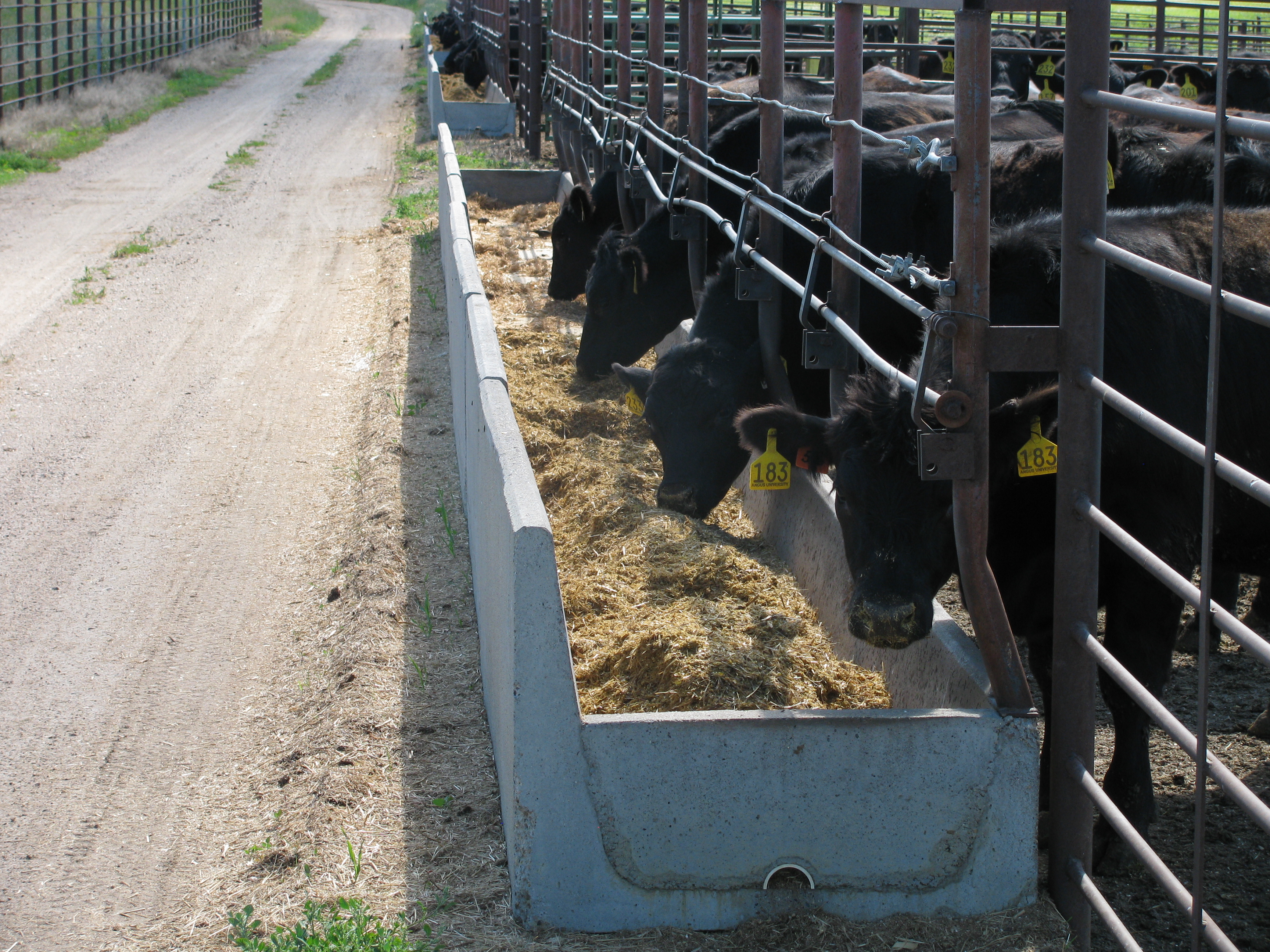
Shortly after I started my career 13 years ago, cost-share for concentrated animal feeding operations (CAFOs) began to dwindle. Agency partners went from reporting more than a dozen new applications per year for CAFOs to single digits. While interest in confined animal production has remained strong, financial assistance to complete these projects has experienced its own cycle. I’ve watched that cycle lull, and now, it begins a comeback. It’s not roaring, yet, more of a soft hum. It will likely stay that way for a few years as prices, availability of materials, skilled labor and finances continue to find a new normal. But we prefer a hum to a lull, indicating the cycle is working.
We can debate the various animal production schemes and the pros and cons of each. But I lean toward the fact that each is a tool in the box and useful in its own way for feeding the growing population. In all of these schemes, though, manure management tends to be key. Properly managing manure has implications on ground and surface water quality, animal wellbeing and production efficiency. If you are interested in the hum of this CAFO cycle, you will find educational, technical and financial assistance contact information in the recently updated NDSU Extension publication, Resource Guide for Livestock Manure Management.
Mary Keena
Mary.Keena@ndsu.edu
Extension Specialist, Livestock Environmental Management
