

Taking Flight at CREC: Building Practical Spray Drone Guidelines for North Dakota Agriculture
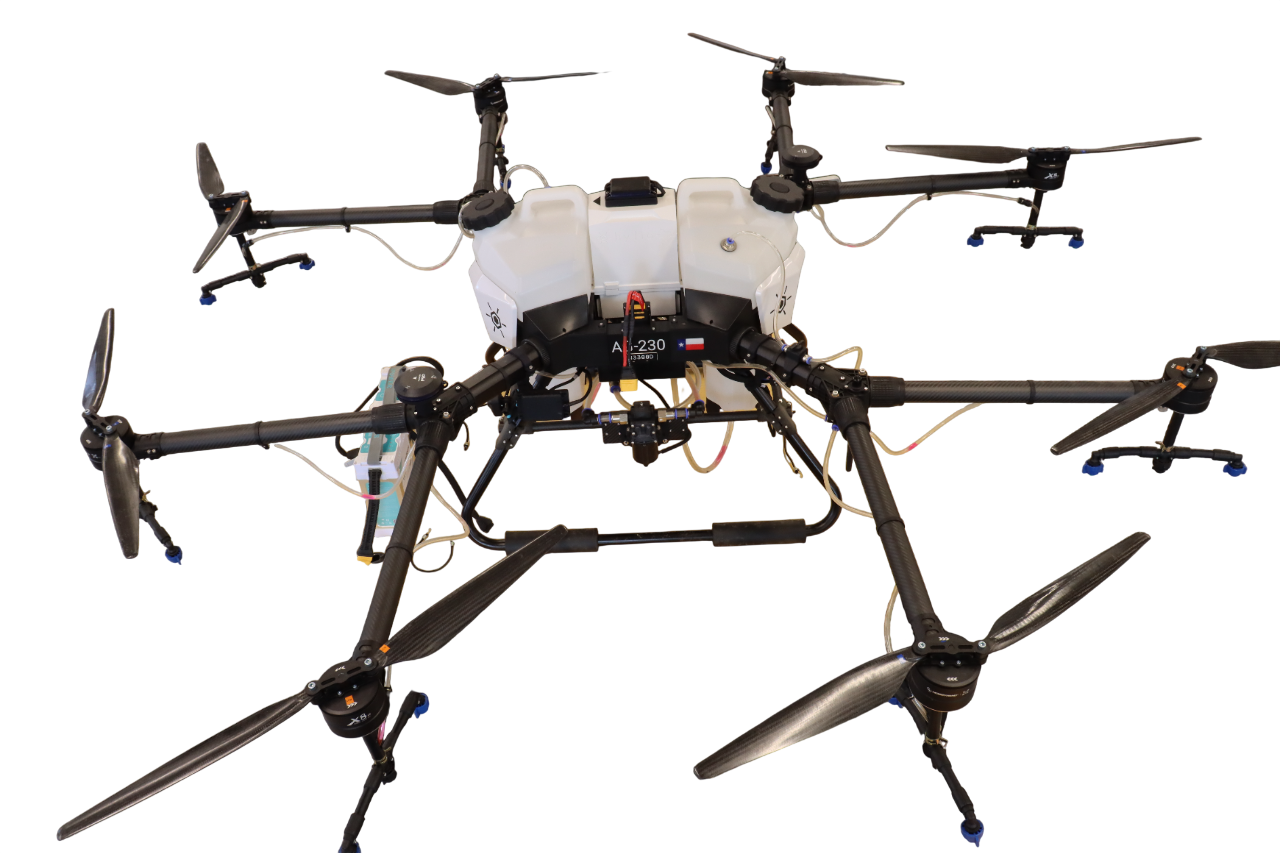
On a calm morning this growing season, the fields at the CREC will become more than research plots. They will become a proving ground for one of the fastest-growing technologies in agriculture: spray drones. As the drone lifts from the edge of the field, moves across the crop canopy, and delivers spray with precision from above, the question will not simply be whether the technology works. The bigger question is how to make it work reliably, safely, and effectively under North Dakota conditions. That is the focus of new spray drone application research at NDSU CREC.
Across the region, producers face short spray windows, wet fields, uneven terrain, labor limitations, and the need to make timely crop protection decisions. Ground sprayers remain essential, and aerial application continues to play an important role, but drones may offer a flexible third option, especially when fields are difficult to access or when smaller, targeted, or time-sensitive applications are needed. However, before drones can be fully trusted as a practical management tool, producers need clear answers: What flight height is best? How fast should the drone fly? What swath width provides uniform coverage? How well does the spray reach different parts of the crop canopy? How should drones be calibrated for different crops and application goals?
This season, CREC will begin answering those questions through a series of field-based spray drone calibration and application studies. The work will evaluate different flight heights, travel speeds, swath widths, spray volumes, nozzle setups, and crop canopy conditions. These studies are designed to move beyond demonstration and into measurement. Water-sensitive paper, canopy coverage assessments, and deposition measurements will help determine where the spray actually lands, how uniform the coverage is across the swath, and whether droplets are reaching the target zone within the canopy. This type of information is critical because a drone may look effective from the edge of the field, but the real test is what happens at the leaf surface.
A major part of this effort will be the North Dakota Wheat Commission funded project, “Beating Wheat Scab on Time: Drone vs. Ground Fungicide Application.” Fusarium head blight, commonly known as wheat scab, is one of the most time-sensitive disease management challenges in wheat production. Fungicide timing is critical, but weather, field conditions, and equipment availability can make timely application difficult. In this project, CREC will compare drone-based fungicide application with a conventional ground sprayer to better understand application coverage, operational flexibility, disease suppression, and crop response. The goal is not to replace ground sprayers, but to determine when drones may provide a practical advantage, especially when the application window is narrow and field access is limited.
We will also look across multiple crops and canopy structures. A spray pattern that works well in wheat may not perform the same way in corn, soybean, dry bean, or other row crops. Crop height, canopy density, row spacing, and growth stage can all affect how droplets move and where they deposit. By testing drones under different field conditions, CREC will generate practical information that can help producers, crop consultants, and applicators make better decisions about drone setup and operation.
Calibration will be a central part of the story. For spray drones, calibration is not just about filling the tank and selecting a flight path. It includes understanding the relationship among flight height, speed, flow rate, nozzle type, droplet size, spray volume, battery limitations, wind conditions, and effective swath width. Small changes in one setting can affect spray uniformity and coverage. Through repeated testing, CREC will develop field-tested calibration information that can help applicators avoid under-application, overlap, drift risk, or poor canopy penetration.
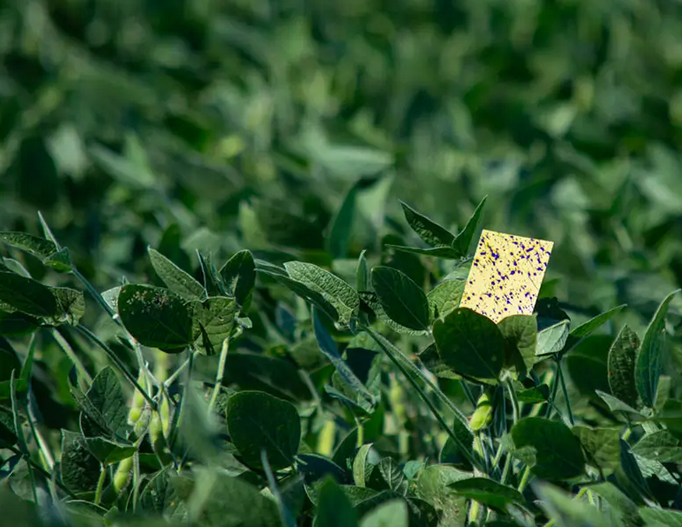
Figure 1. Water-sensitive paper and spray coverage measurements will help evaluate droplet deposition at different canopy positions.
The value of this research extends beyond the field plots. One of the main goals is to translate the findings into producer-friendly extension resources. CREC will use the results to develop extension publications, field day demonstrations, training materials, and practical recommendations for spray drone calibration and operation. These materials will focus on the questions producers are already asking: How do I set the right flight height? How do I choose speed and swath width? How do I check coverage? When is a drone a good fit, and when is a ground sprayer still the better option?
Most importantly, this work is designed to bring science into a rapidly changing technology space. Spray drones are already gaining attention, but adoption should be guided by evidence, not excitement alone. By testing drone applications under real North Dakota conditions, CREC can help producers understand both the opportunities and the limitations of this technology. The outcome will not be a one-size-fits-all recommendation. Instead, it will be a practical framework for making informed decisions based on crop, target pest or disease, field condition, timing, and equipment setup.
By the end of the season, the story will not simply be that a drone flew over a field. The story will be that CREC is helping turn spray drones from an emerging tool into a calibrated, measured, and science-based application option for North Dakota agriculture. Through research, demonstration, and extension, this work will help producers decide where drones fit, how to use them effectively, and how this technology can support timely crop protection in the challenging conditions of the Northern Plains.
Rupak Karn, Ph. D.
Rupak.Karn@ndsu.edu
Extension Precision Agriculture Specialist
