Boston-ivy
Scientific Name: Parthenocissus tricuspidata
Family: Vitaceae
Location on Campus: 46.895083, -96.803417
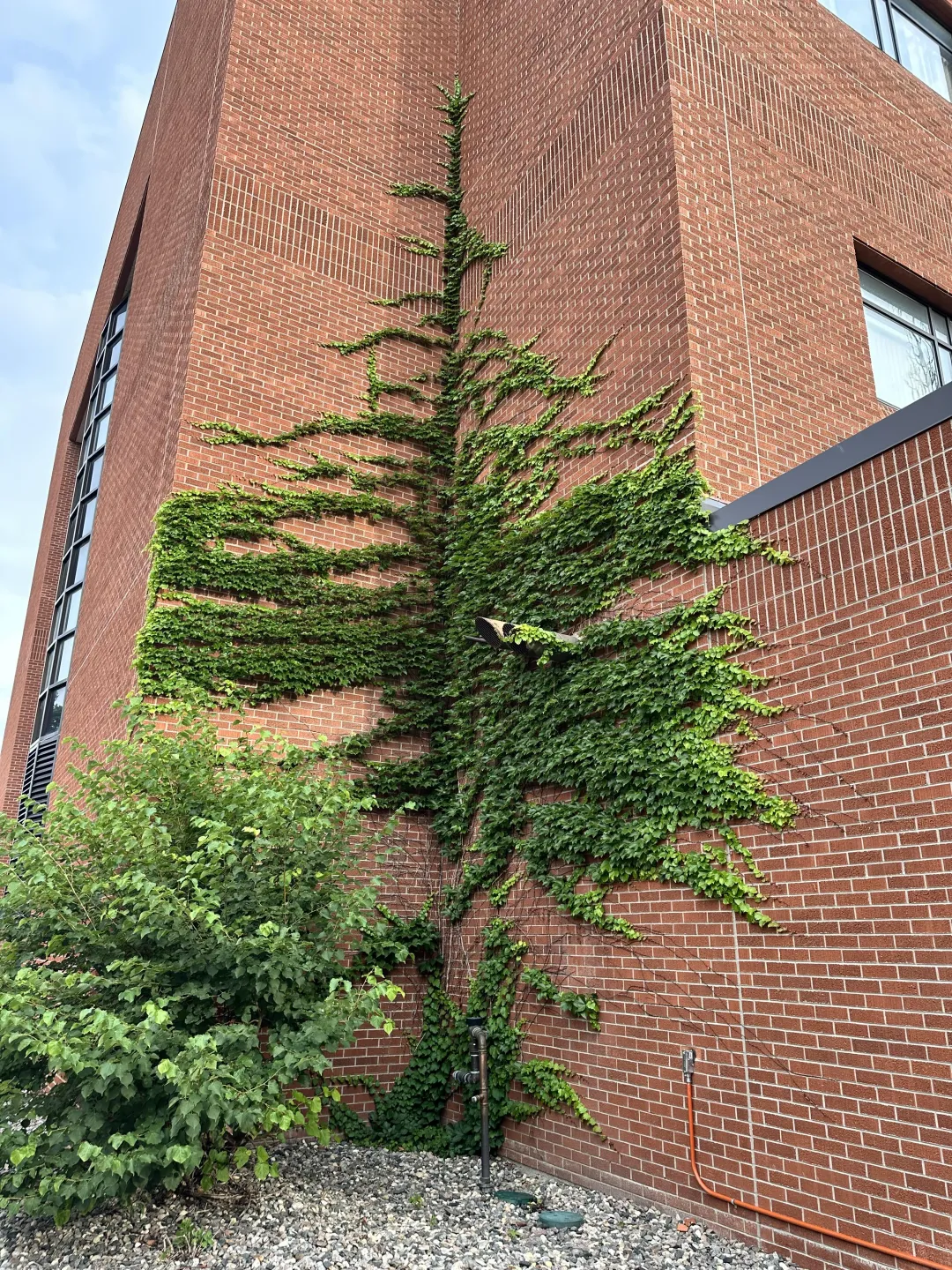
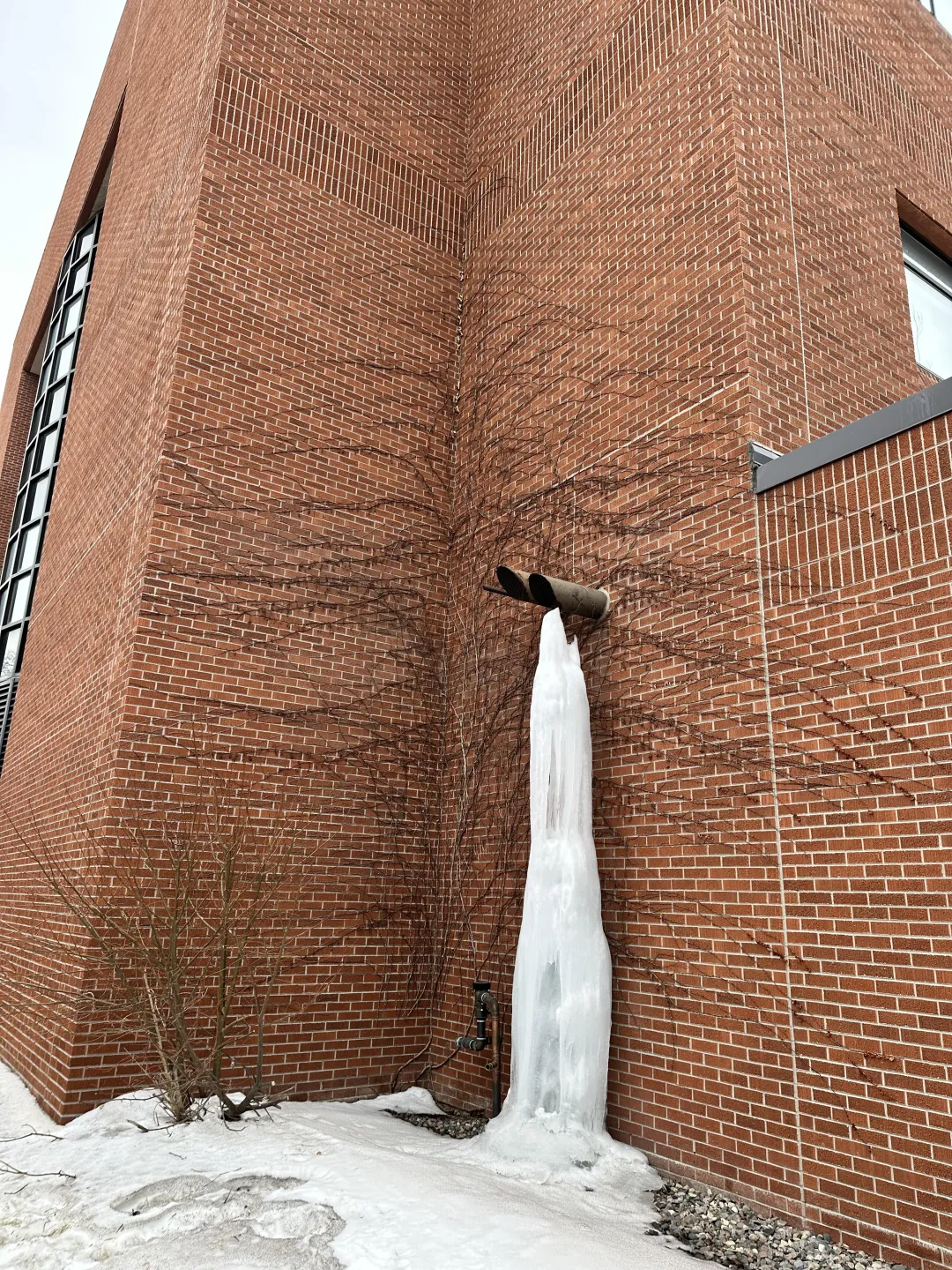
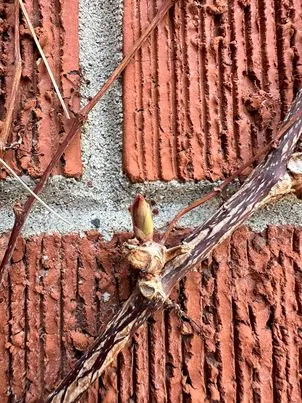
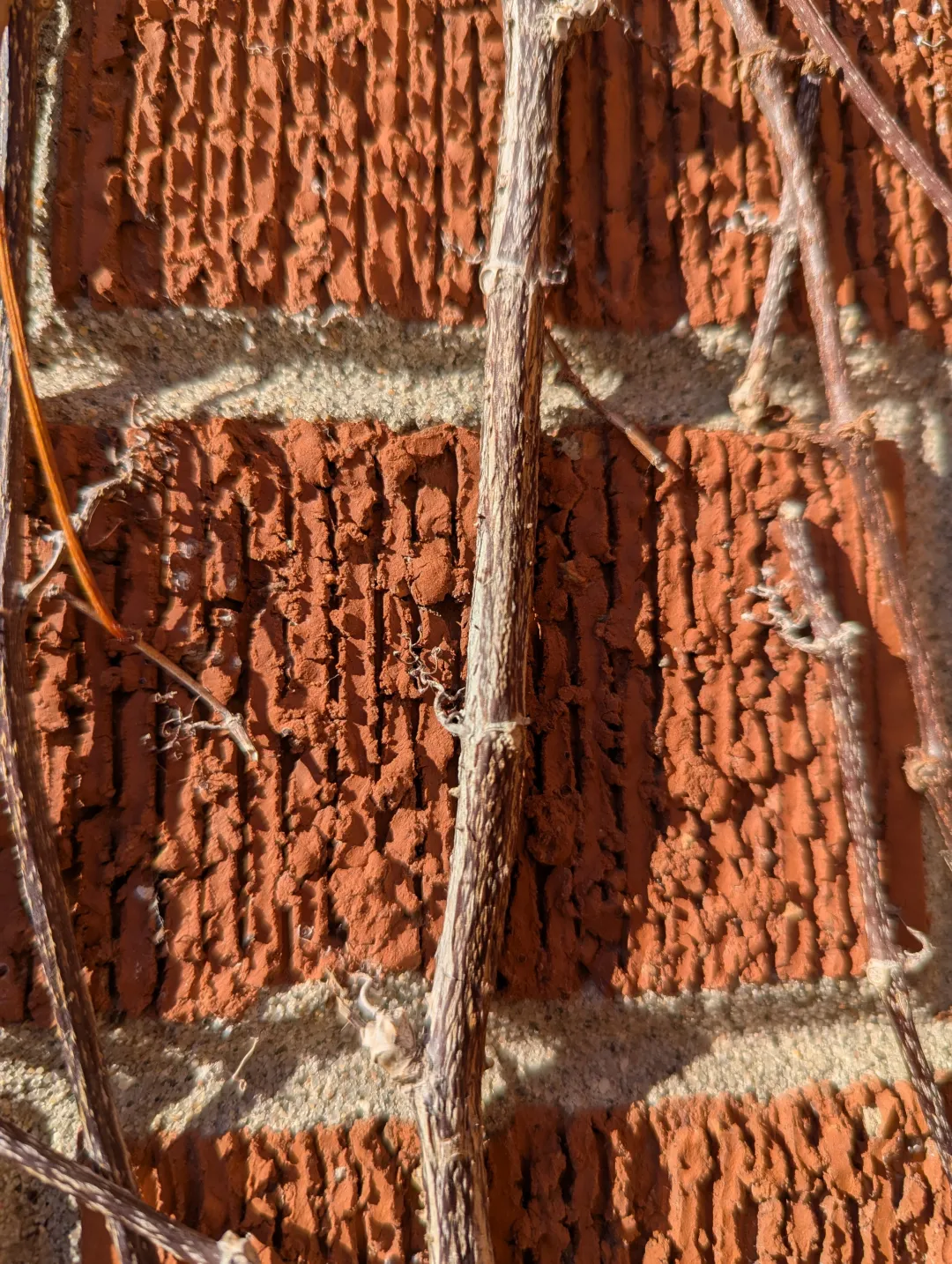
Description: Boston-ivy is a vigorous, deciduous vine that is used to cover brick walls or other hard surfaces. It is a self-supporting tendril climber also known for its brilliant red fall color.
Hardiness: USDA hardiness zones 4 to 8.
Natural Habitat: Native to China and Japan.
Mature Size: Height: 30-50', Spread: 5-10'
Form (Shape): Climbing and spreading.
Growth Rate: Fast.
Foliage: Dark green, glossy three-lobed leaves. Foliage turns a brilliant red in the fall.
Texture: Medium.
Flowers: Greenish white flowers that emerge in late spring to early summer.
Fruit: Blue-black berries up to 1/3” in diameter, usually hidden by foliage.
Light: Full sun to partial shade.
Soil: Grows in a variety of soils, but prefers average, medium-moisture, well-drained soil.
Propagation: Propagate via stem cuttings, division, or layering.
Failure Patterns: Failure is generally uncommon.
Disease and Insects: No serious insect or disease problems.
Landscape Use: Commonly used to cover brick walls and other hard surfaces. Once vine becomes attached to surface, it becomes difficult to remove. Vine may invasively spread to nearby areas.
Availability: Widely available in nursery trade.