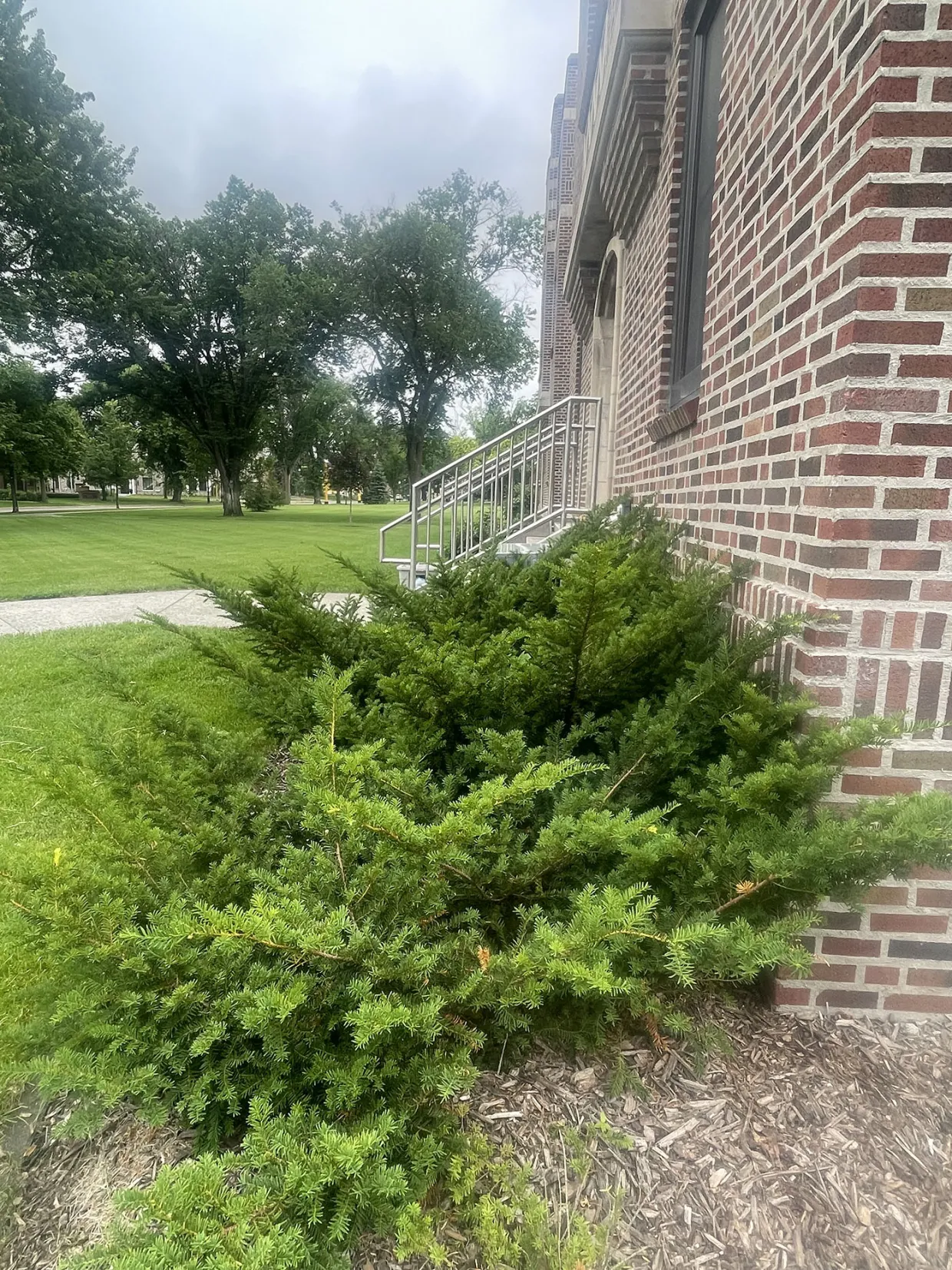
Japanese Yew
Scientific Name: Taxus cuspidata
Family: Taxaceae
Location on Campus: 46.893861, -96.798583
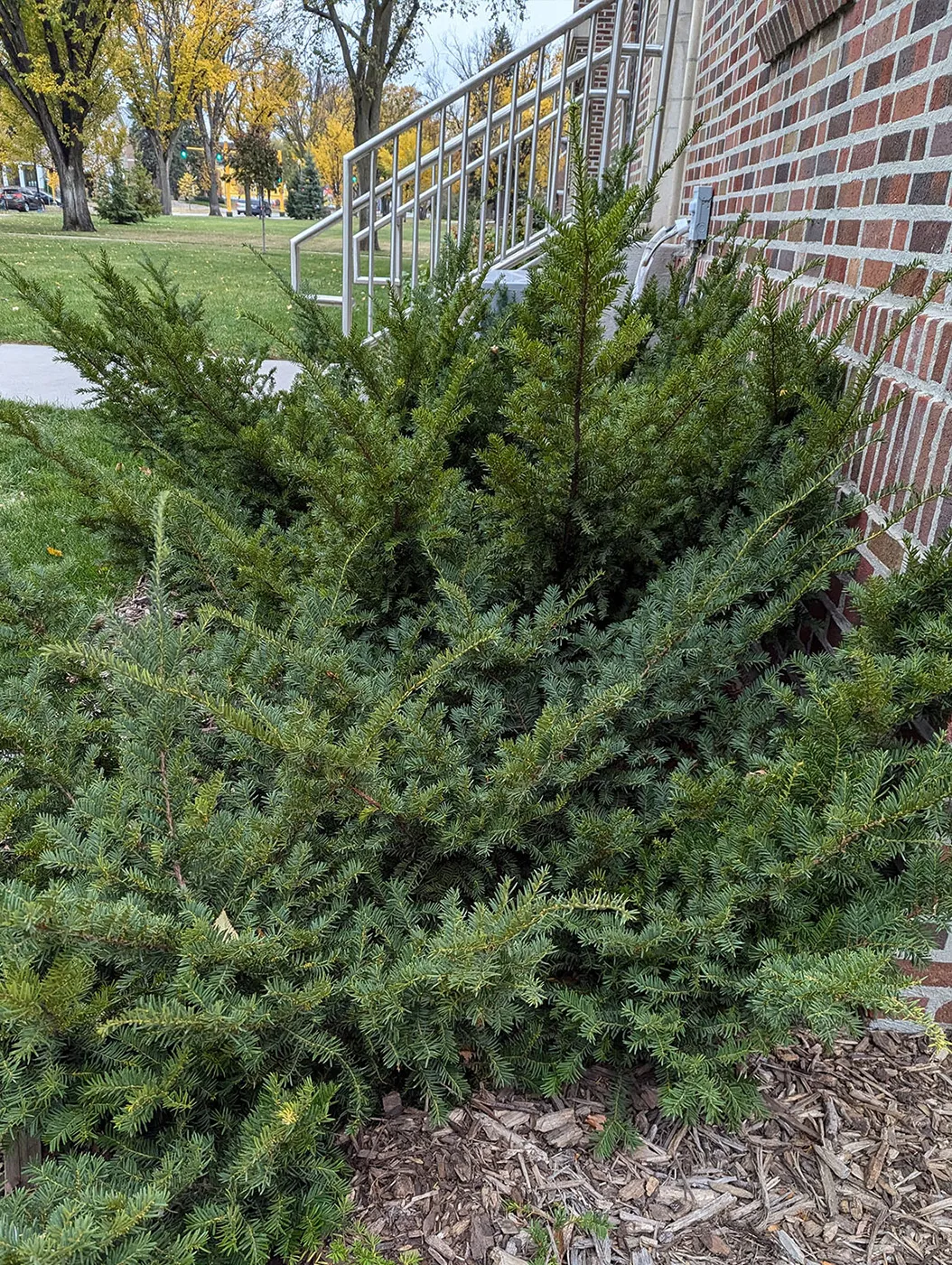
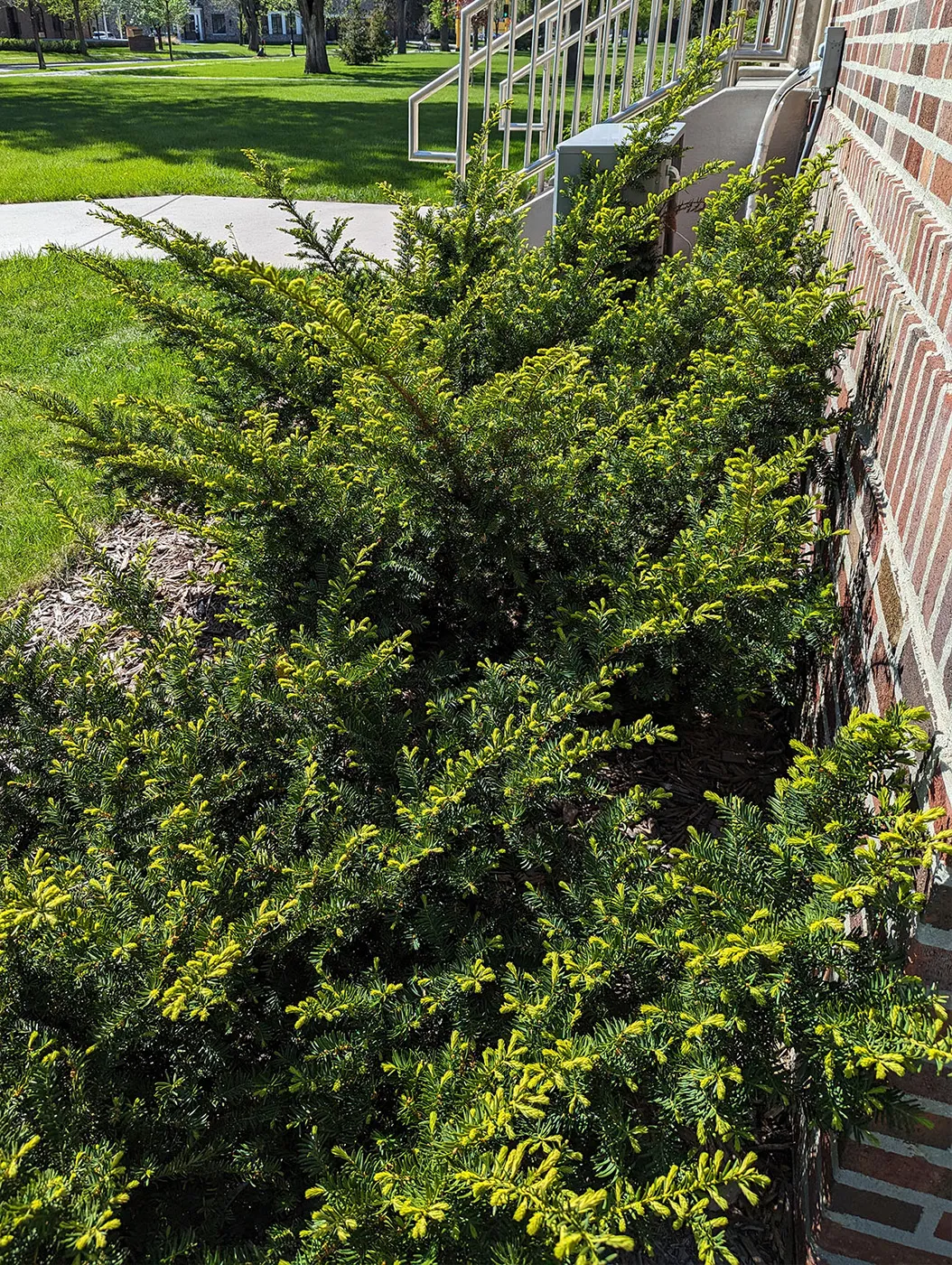
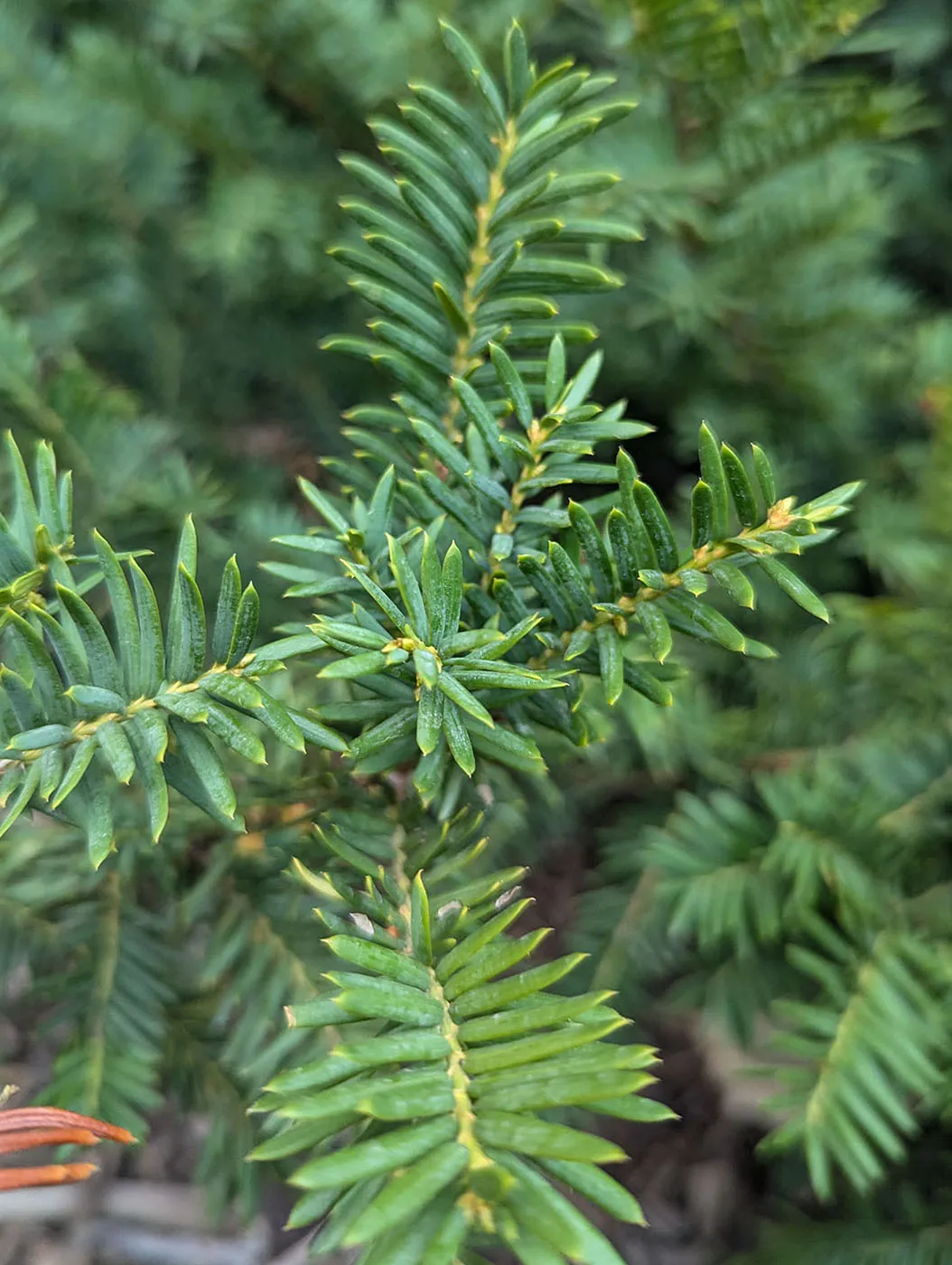
Description: Non-U.S. native shrub. This plant is a low, spreading shrub that is multi- stemmed with columnar, 2-ranked needles. Its foliage is a pleasant emerald green and is commonly used as a foundation plant around or near buildings.
Hardiness: USDA hardiness zones 4 to 7.
Natural Habitat: Japan, Korea, and Manchuria.
Mature Size: Height: 3’ to 5’, Spread: 20’ to 25’
Form (Shape): Dense, Pyramidal spreading shape.
Growth Rate: Moderate.
Foliage: Coniferous. New growth is light green maturing to a rich emerald-green. There is little to no color change in the fall.
Texture: Fine to medium.
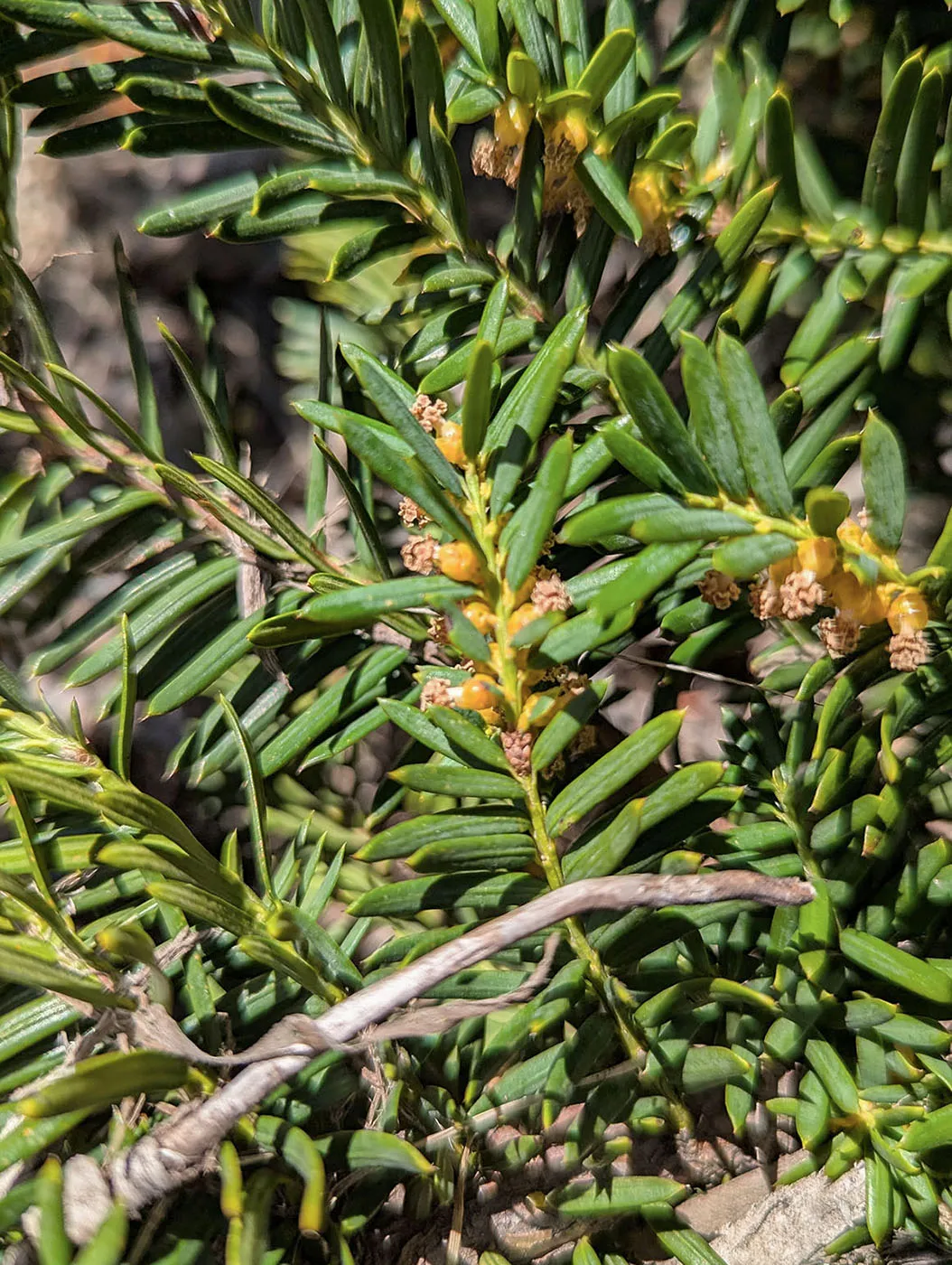
Flowers: Insignificant, produces small yellow-green candles from late April to early May.
Fruit: Can produce small red fruit that can be ornamental.
Light: Full sun to part shade.
Soil: Can be extremely adaptable in many landscape settings, prefers moderately wet soils.
Propagation: Cuttings and sometimes seed.
Failure Patterns: Foliage can be damaged and become yellow in windy conditions.
Insects and Diseases: No serious insects or diseases.
Landscape Use: Foundation plantings, masses or groupings, hedges and screens. Can tolerate heavy pruning, heavy shock, drought, and rabbit browsing. It is considered to be weedy and invasive in some states.
Availability: Widely available within nurseries in the Midwest.