Challey Spotlight: Brett Bantle, MBA
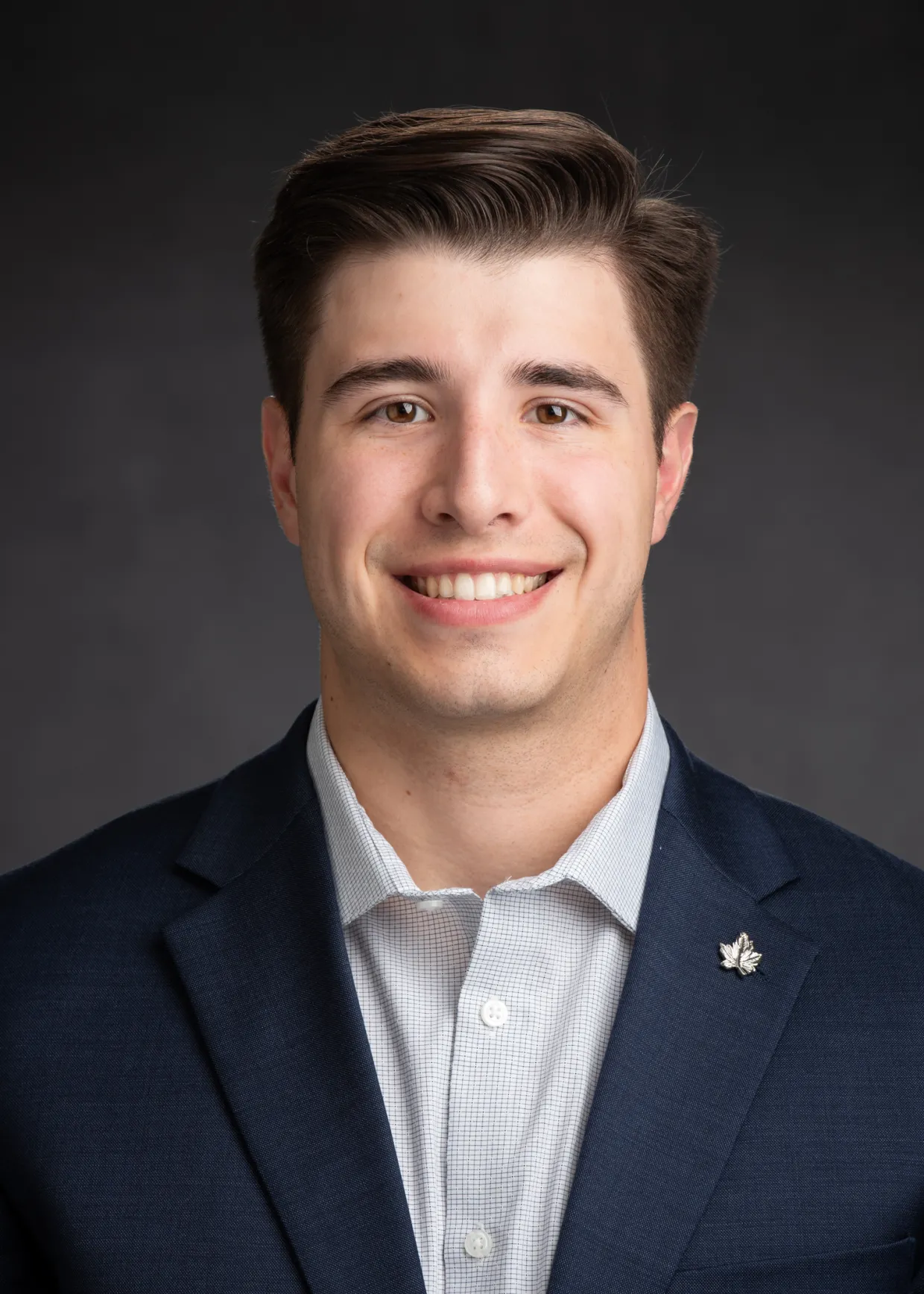
Background and Academic Journey
Brett Bantle did not set out to become a researcher. He started in business because banking and finance made sense, then shifted toward accounting after a mentor’s line stuck with him: accounting is the engineering of business. After completing his accounting degree at Dickinson State, he pursued an MBA at NDSU, where he connected with faculty and fellows at the Challey Institute. An invitation from economist Oudom Hean to join a reading group on artificial intelligence opened the door to research. That collaboration led to a paper on banking consolidation in the Midwest, where he handled data analysis, visualization, and transition from Excel to a research insight paper.
The experience, combined with a zoning laws op-ed he coauthored, showed him how research can serve communities and policy. With guidance from Oudom Hean and mentorship from John Bitzan, Brett transitioned from industry back into research and now also lectures in accounting.
Research Focus and Insights
At the Challey Institute, Brett studies how licensing rules shape real opportunities for workers and employers. His focus is universal licensing and a practical question: if North Dakota wants to fill critical jobs, how can the state make licensing truly universal and easier to navigate for qualified workers who arrive with foreign credentials? He approaches the work like an accountant approaches a ledger. Find the rules. Test how they function. Show where they help and where they stall. Early comparisons have been instructive. Utah’s centralized Department of Professional Licensing gives foreign applicants a single, predictable path and reduces guesswork. New Jersey relies on relevant world boards to judge equivalency and acts on those determinations rather than reinventing standards in-house. For a state that recently passed universal licensing and borders Canada, these models point to timely ways to speed decisions without sacrificing quality.
Broader Impact and Public Engagement
Brett cares about impact as much as method. He shares results through testimony, policy briefs, op-eds, and media interviews so the work reaches the people who make choices. The goal is simple. Employers should be able to recognize talent more quickly. Newcomers should be able to use their skills without months of delay. Residents should see policies that expand opportunity and strengthen the state’s economy. Research, in his view, should illuminate the path from problem to potential solution.
Professional Motivation and Future Goals
Presenting ideas is his favorite part of the job. He likes the moment when a technical point becomes clear to a broader audience and turns into something they can use. Looking ahead, he plans to examine how world economic issues show up in the Midwest, including tariffs and who bears their cost, immigration policy, and how visa pathways match skills to shortages, and changes to the tax code and what they mean for households and small firms. As a visa holder, he brings a practical lens to measuring how immigrant workers contribute to North Dakota.
Brett wants his work to invite conversation, not end it. If students, policymakers, and community members can talk through tradeoffs with better evidence and clearer options, the research is doing its job.
Outside of Work
Brett is training for a full Ironman triathlon after completing a half Ironman in Wisconsin. A former college baseball player, he enjoys staying active, spending time with family and friends, and hanging out with Echo, his ragdoll cat. On a colleague’s recommendation, he has been listening to Freakonomics Radio for its approachable take on everyday economics and suggests it to anyone who wants practical insights they can apply.