Professor Emeritus Allan Ashworth donates over 80,000 insects to Smithsonian
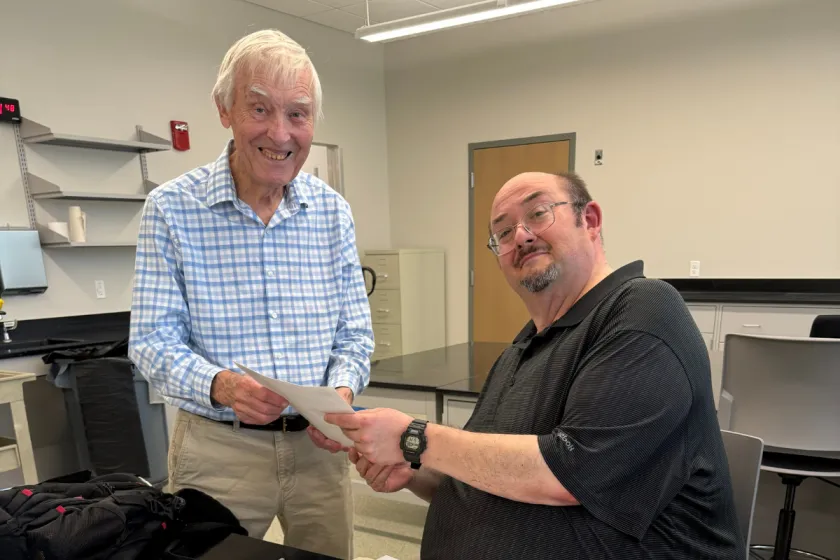
NDSU University Distinguished Professor of Geosciences Emeritus Allan Ashworth recently made arrangements to donate an 81,014-specimen collection of pinned insects to the National Museum of Natural History of the Smithsonian Institution in Washington, D.C.
Ashworth’s connection to the Smithsonian dates back to 1969, when the young geologist was working on a fossil site from Buchanan, North Dakota, and spent time examining collections at the Smithsonian to help identify fossil insects collected there.
1969 was also the year that Ashworth arrived from England to begin working at NDSU. After a one-year appointment was extended to two years, he moved to Canada briefly before returning to NDSU in 1971, where he developed the Quaternary Entomology Laboratory with Donald Schwert, a fellow geoscience professor.
Quaternary is the term used for the period from 2.6 million years to the present. During this period, Earth experienced multiple glaciations and interglaciations.
The two professors mainly studied ancient environments from thousands of years ago , including paleoclimate, using fossils to determine what the climate was like in the past and how it has changed over time.
“Right now, I’m working on a site in Ithaca, New York,” Ashworth said.
The site is 42,000 years old and based on Ashworth’s research, “it was cold enough in Ithaca, New York 42,000 years ago for the ice sheet to have been just a few kilometers away,” he shared.
Over the years, the NDSU Quaternary Entomology Lab employed numerous NDSU undergraduate and graduate students who helped with the collection and preparation of the specimens.
“Each specimen is labeled with precise location and ecological information as well as the name of the collectors,” Ashworth explained. “Those names will now be in the Smithsonian.”
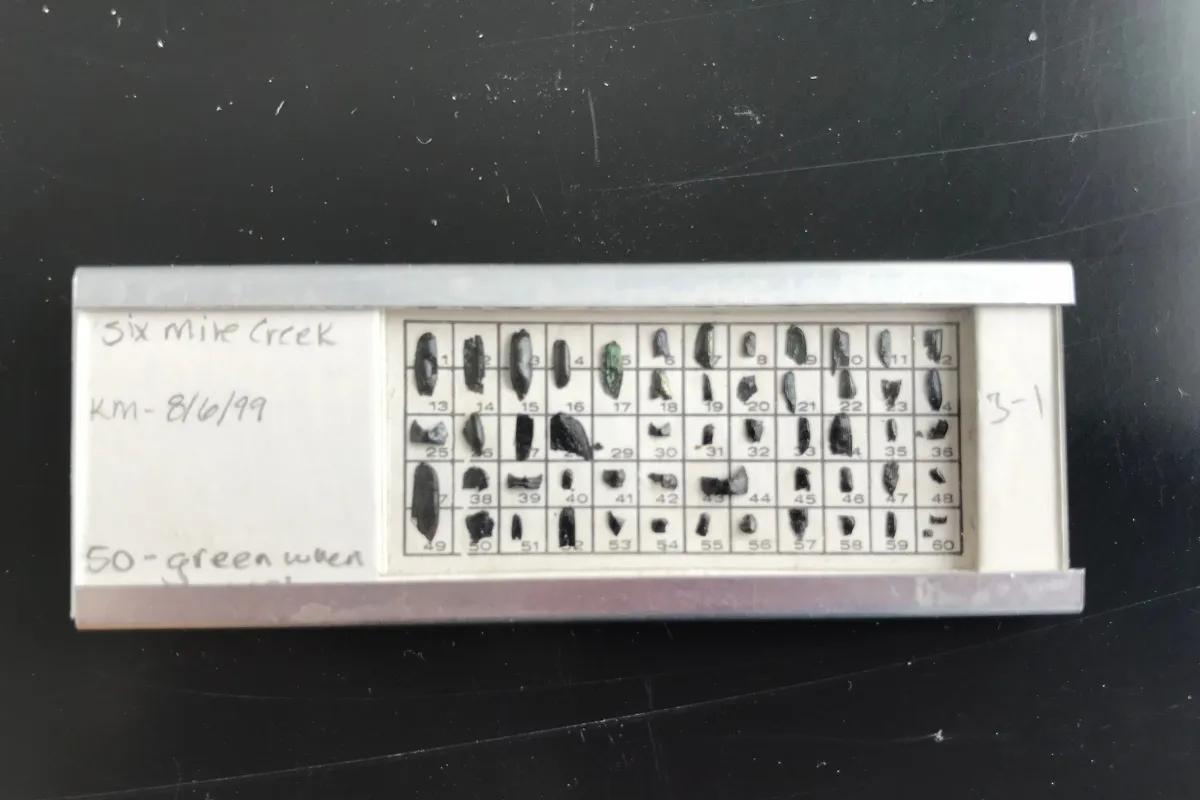
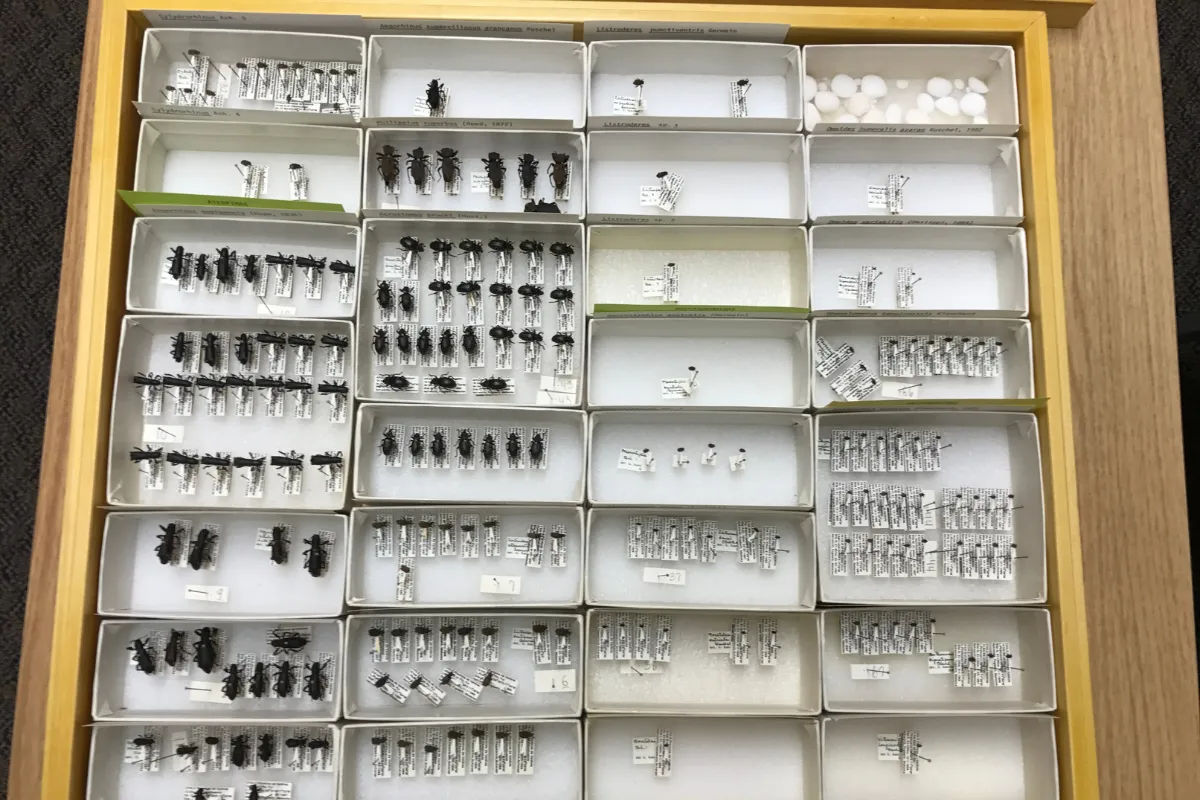
The specimens, mainly beetles, were collected from both northern and southern hemispheres and from the high-altitude habitats in the Cascades, Rocky Mountains and New England.
As the collection grew, Ashworth and Schwert expressed interest in donating the collection to the Smithsonian. Ashworth , during a visit to the Smithsonian, was introduced to the Collections Manager in the Entomology Department, Floyd Shockley.
After years of brief conversations about the transfer of the collection, Shockley and three museum specialists traveled to Fargo in late July to supervise the packing and loading of a truck that carried the collection to Washington, D.C. It will now be a part of the Coleoptera Collection.
“To know that the specimens that were part of the QEL collection will have a very long life after I, Don Schwert and students have passed is rewarding,” Ashworth said.