CAP Center impact reaches far beyond NDSU pharmacy students

The NDSU Center for Collaboration and Advancement in Pharmacy (CAP Center) launched nearly five years ago; today, it’s a statewide leader in advancing patient care, supporting pharmacists and its impact reaches over 90% of North Dakota pharmacies.
“If you’ve ever walked into a pharmacy in North Dakota, more than likely you’re somehow benefiting from the CAP Center,” said Elizabeth Skoy, director of the CAP Center and professor of pharmacy practice at NDSU.
The CAP Center was created to help pharmacists expand services and improve health outcomes, especially in rural communities. It is built on four core principles: education and training; programs and implementation; consulting and support; and data and outcomes.
The success of NDSU’s nationally recognized opioid and naloxone education program was foundational in developing the CAP Center. The ONE program was implemented in pharmacies across North Dakota to combat opioid misuse and accidental overdoses by providing resources to pharmacists and patients to educate them about opioid misuse and accidental overdose, helping align public health initiatives with pharmacy and preventative care. This highlighted a unique opportunity for NDSU to help pharmacies innovate, implement and sustain new patient care services, explained Skoy.
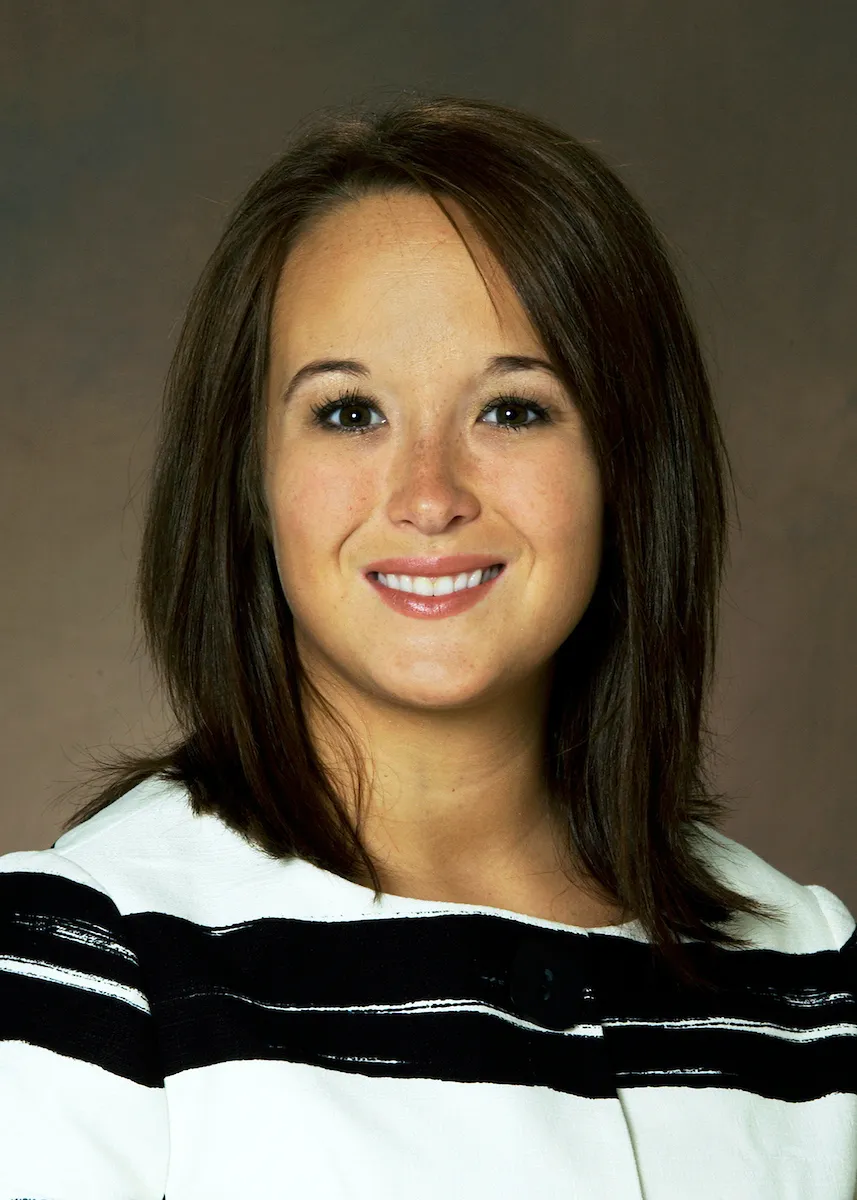
“There is still an increasing demand for pharmacies to expand their services, as well as an increased need for healthcare collaboration,” Skoy said. “As the only school of pharmacy in North Dakota, we felt we were well positioned, and almost called to assist.”
The CAP Center works closely with the healthcare industry, including the North Dakota Pharmacists Association, North Dakota Board of Pharmacy, NDSU’s College of Health and Human Sciences and the North Dakota Department of Health and Human Services. These organizations and more have helped guide the center’s work, along with the center’s advisory board.
“We all have similar goals to help improve the health of North Dakota,” Skoy said.
Over the past five years, the CAP Center has assisted pharmacies with major initiative beyond the ONE program, including immunization access and outreach and chronic disease management, such as diabetes, hypertension, heart disease and cholesterol management.
New North Dakota legislation recently passed to allow pharmacists to prescribe certain medications, similar to other states across the U.S., is another area where the center is providing support.

“We have a large project on tobacco cessation, which is one of the areas that pharmacists can prescribe treatment for and follow up on with patients,” said Lisa Nagel, director of operations of the CAP Center.
Additionally, NDSU pharmacy students have the opportunity to receive housing and stipend support to travel to rural areas to help implement new pharmacy programming across rural areas in North Dakota, explained Nagel. This provides students with real-world experience while supporting pharmacies in launching new services.
NDSU pharmacy students are involved with research, program development and creation of patient education materials. As pharmacies implement new prescribing services related to tobacco cessation or chronic disease management, pharmacists are requesting patient handouts, such as what to do when someone tests positive or negative for influenza.
“That’s a really great opportunity for pharmacy students to apply what they’ve learned already in school, and have a public health impact by helping develop that content and then have that distributed across the state and beyond ,” Skoy said.
Through successful programming and networking, much of the work CAP Center does has gone beyond North Dakota’s borders to create a national impact on healthcare through publications, shared materials and collaborative projects. Research and interventions are intentionally designed to be scalable and transferable to other locations. The CAP Center works with pharmacies in Minnesota and West Virginia and is open to working with pharmacies in other states as well.
However, ongoing investment in the center is necessary to continue expanding its impact. “As a center, we’re 100% reliant on external funding, so that needs to be through grant funding or through donor support,” Skoy said. “Right now, almost all of it has been through grant funding.”
Because access to grant funding can vary and often occurs in cycles, additional funding from donor support helps the center remain sustainable. Funding for CAP enables hands-on student experiences, innovation and rapid response to emerging healthcare needs.
Supporting the CAP Center is an opportunity for donors to help strengthen healthcare access across North Dakota.
“Whether helping a rural pharmacy expand services, preparing a student for the future of healthcare, reducing barriers to treatment or developing solutions other states can adopt, the CAP Center demonstrates how NDSU’s research, expertise and partnerships are improving lives across North Dakota and beyond,” Skoy said.
Learn more about the CAP Center and how to support its work.