NDSU microplastics study featured in Time magazine
Iskander’s team used carrots to measure particle transfer and documented microplastics embedded in the vegetable surface after chopping.

Syeed Iskander, NDSU assistant professor of civil, construction and environmental engineering, is featured in a new Time magazine story examining how plastic cutting boards release microplastics into food during everyday kitchen use.
The article, titled “Are Plastic Cutting Boards Safe?,” highlights Iskander’s research and brings national attention to NDSU’s work on consumer exposure to microplastics.
“Time’s coverage of my group’s research highlights the urgent need for more rigorous studies that can generate precise evidence of chemical exposure and inform behavioral interventions to protect human health,” Iskander said. “Ironically, there is relatively little support for research aimed at generating evidence-based interventions to mitigate the ways people are exposed to harmful chemicals and particulates in their daily lives.”
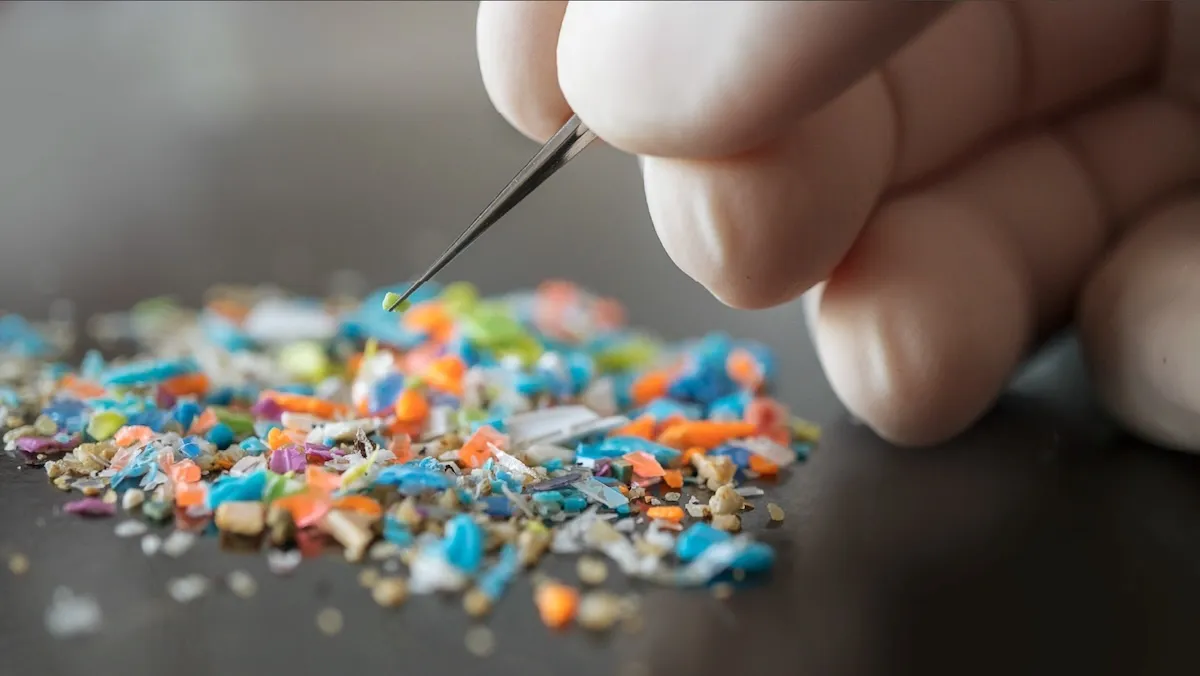
Iskander’s study, published in 2023, tested how many plastic particles are released when cutting vegetables on common household cutting boards. The study found that individuals may be exposed to millions of microplastics annually from plastic cutting boards, most of which are smaller than 100 µm, with exposure depending on use frequency.
The article explains that Iskander’s team used carrots to measure particle transfer and documented microplastics embedded in the vegetable surface after chopping. While the equipment used could detect only larger microplastics (greater than 20 micrometer), Iskander told TIME that smaller particles likely were present as well, meaning exposure levels could be higher than measured.
The story places NDSU’s findings in the broader context of emerging concerns about microplastics in the food system. Although there is no conclusive evidence yet showing harm from cutting-board microplastics in humans, TIME reports that the combination of particle ingestion and the potential migration of chemicals during cooking raises important questions about long-term exposure.
Iskander’s work adds to a growing field of research examining daily consumer habits that may contribute to microplastic intake. The article notes that plastic boards can wear down more quickly under heavy use and that consumers may reduce exposure by replacing boards more often or considering alternatives like wood or bamboo.
For NDSU, the national spotlight underscores the university’s growing research portfolio in environmental health, food systems and materials science. Iskander’s work demonstrates how research at NDSU can shape national conversations about safety and sustainability in household products.
Iskander came to NDSU in 2020. He holds a doctorate in civil engineering from Virginia Tech, a master’s degree in environmental engineering from Washington State University and a bachelor’s in civil engineering from Bangladesh University of Engineering and Technology.
Iskander leads research on human exposure to micro- and nanoplastics from consumer products and pathways of contamination in foods and environments. His work has attracted national and international attention for its real-world implications.
His honors at NDSU include the 2024 College of Engineering Early Career Teaching Excellence Award and the 2024 Peltier Innovation in Teaching Award.
As a student-focused, land-grant, research university, we serve our citizens.