NDSU professor flags oversight gaps in U.S. biofuel feedstock market
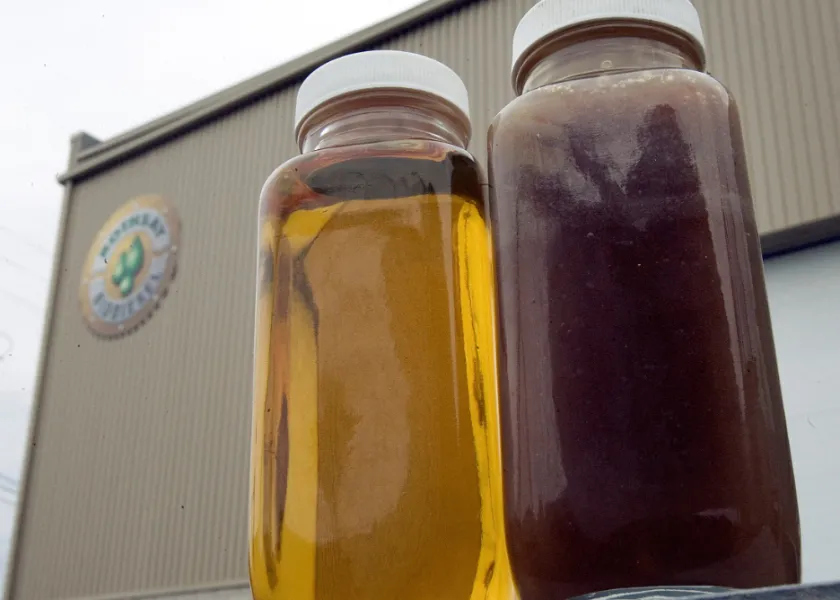
A new policy commentary by Sandro Steinbach, associate professor at North Dakota State University and director of the Center for Agricultural Policy and Trade Studies, warns that the dramatic rise in used cooking oil imports for U.S. bio-based diesel production is creating significant challenges for sustainability, regulatory enforcement and domestic feedstock competitiveness.
Published in Food Policy, the article documents a substantial increase in UCO imports since 2022, primarily due to shipments from China, which now account for three-quarters of total imports. While UCO is considered a climate-friendly, low-carbon input under programs like the Renewable Fuel Standard and California’s Low Carbon Fuel Standard, current certification gaps and weak traceability protocols leave the system vulnerable to fraud and misclassification.
“We don’t need to shut down UCO imports, but we do need to manage them better,” said Steinbach. “Without stronger certification and more accurate emissions scoring, we risk rewarding unverifiable claims while sidelining domestic feedstocks that meet higher standards.”
The commentary outlines a set of policy options, including tighter verification standards, improved carbon intensity calculations and targeted incentives for U.S.-grown oils. As revisions to federal biofuel tax credits and incentive programs take effect in 2025, Steinbach emphasizes the importance of aligning climate goals with enforceable sustainability standards to preserve both environmental integrity and rural economic participation.
The full article, “The Used Cooking Oil Dilemma: Feedstock Competitiveness, Certification Integrity, and U.S. Biofuel Policy”, is available in the July 2025 issue of Food Policy online.
For more information, contact Steinbach at sandro.steinbach@ndsu.edu.