Day 19
Day 19
Did You Know?
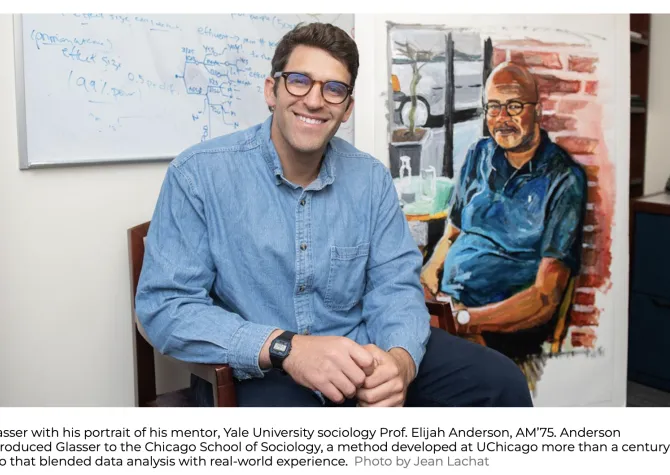
Sociology isn’t just something you read about in textbooks—it can actually change how people live and feel. Take Dr. Nathaniel Glasser, who uses sociology in his medical practice to tackle something real: men’s health.
Instead of only focusing on symptoms, Glasser looks at the bigger picture—how things like identity, belonging, and community affect physical health. Drawing on symbolic interactionism, he asks questions most doctors don’t: How do people see themselves? Where do they feel like they fit in? And it turns out, those answers matter a lot for overall well-being.
His perspective comes from studying with sociologist Elijah Anderson and learning from the Chicago School of Sociology—an approach that’s all about observing real life and connecting everyday experiences to bigger social patterns.
Things really clicked for Glasser when he worked with young men in the Welcoming Project, a program for youth who had been arrested or incarcerated. Spending time observing the community, he noticed something important: a lot of their behavior wasn’t random—it was performance. As Glasser put it, these young men would get into fights or go live on social media doing risky things—not just because they wanted to, but because they were performing a certain version of masculinity for others to see.
That insight stuck with him. Later, working in a primary care clinic, he began to see his patients the same way—not just as individuals with health issues, but as people navigating pressure to “perform” who they’re supposed to be.
For Glasser, whether he’s in a clinic or a community space, the question stays the same: How do people create meaning in their lives—and how does that affect their health?
And that’s where sociology stops being abstract—and starts being powerful.