Day 26
Day 26
Did You Know?
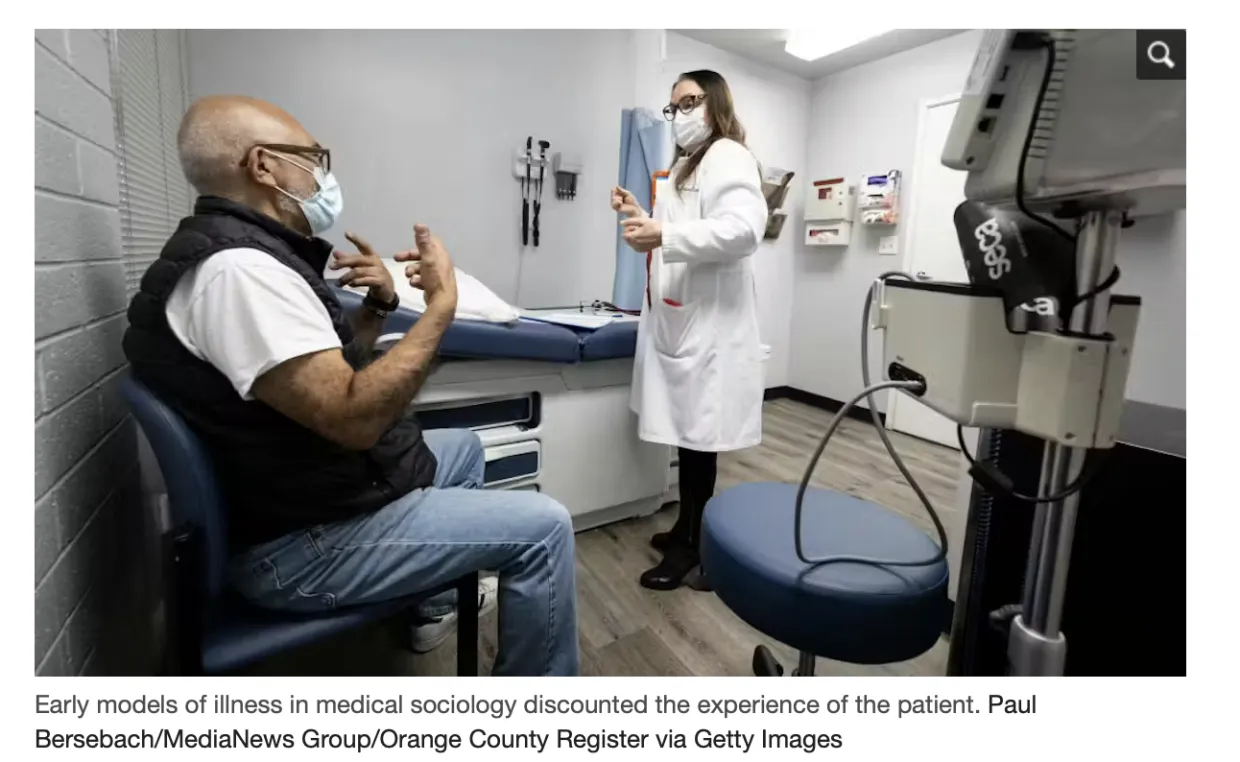
Medical sociology formally began in the US after World War II. Medical sociologist, Jennifer Singh, explains that “the National Institutes of Health started investing in joint medical and sociological research projects. Hospitals began hiring sociologists to address questions like how to improve patient compliance, doctor-patient interactions and medical treatments.”
Like Dr. Glasser’s work discussed in Day 19, Dr. Singh doesn’t just look at biology—she looks at people’s lived experiences. And like Daniel Jaffee in Day 25, she keeps pushing on deeper questions, such as: why do some groups consistently experience worse health outcomes than others?
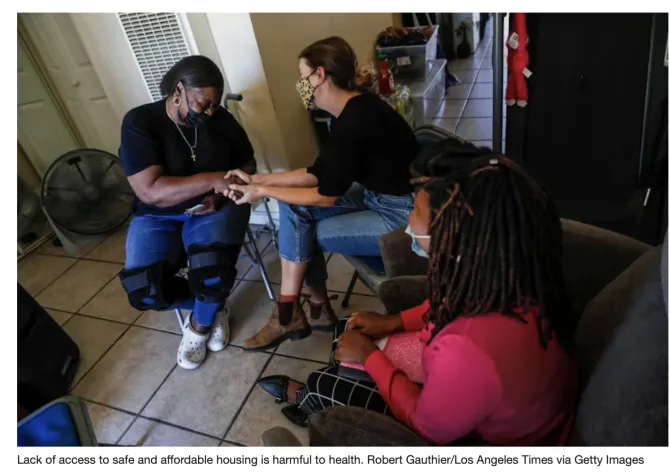
That’s where the social model of illness comes in. The idea is simple but powerful: health isn’t just about your body—it’s shaped by your environment, stress, income, access to care, and everyday social conditions.
So instead of asking only, “What’s wrong with this person?,” medical sociology asks something bigger and more interesting: “What’s going on in their world that’s shaping their health in the first place?