

The best time to improve manure management?
One of the things I enjoy most about working with livestock producers is that no two operations are exactly alike. Whether I’m visiting a small farm or a larger feedlot, many producers are trying to answer the same question: “How can I make the most of the resources I already have?”
One of those resources (not waste!) is manure.
It may not be glamorous, but manure is a valuable byproduct of a livestock operation. It contains nutrients crops need, contributes organic matter to the soil, and, when managed well, can reduce fertilizer costs. Like any valuable resource, though, it requires planning. Good manure management isn’t just about spreading manure in the spring or fall. It’s a year-round process that starts long before the spreader enters the field.
Summer is actually one of my favorite times to talk about winter-feeding areas. It seems backward at first, but that’s why it matters. During the cold winter months, the focus is on feeding, bedding and pregnant or youngstock care. In the summer, producers have an opportunity to step back, evaluate what worked, clean feeding areas, repair drainage, remove accumulated manure and think about how the site can function better next winter. Those small improvements can make chore time easier while reducing nutrient loss and protecting nearby water resources.
Another conversation I find myself having every year is about manure storage. Sometimes the best management practice is simply putting manure in the right place until field conditions are suitable for application. Properly located stockpiles or composting sites help preserve nutrients while reducing the risk of runoff. It’s another reminder that successful nutrient management begins long before manure reaches a crop field. Learn more about composting animal manures here: https://www.ndsu.edu/agriculture/extension/publications/composting-animal-manures-guide-process-and-management-animal-manure-compost.
Then comes one of the (in my opinion) most overlooked and underestimated practices: calibrating the manure spreader.
I’ve heard plenty of reasons why calibration gets pushed to the bottom of the list. Everyone is busy, weather windows are short, and there’s always another job waiting. But calibration doesn’t have to be complicated, and the payoff can be significant. Knowing how much manure is actually being applied helps ensure crops receive the nutrients they need without over- or under-applying. Better application means getting more value from manure while improving nutrient stewardship. Learn more about manure spreader calibration here: https://www.ndsu.edu/agriculture/extension/publications/manure-spreader-calibration-nutrient-management-planning.
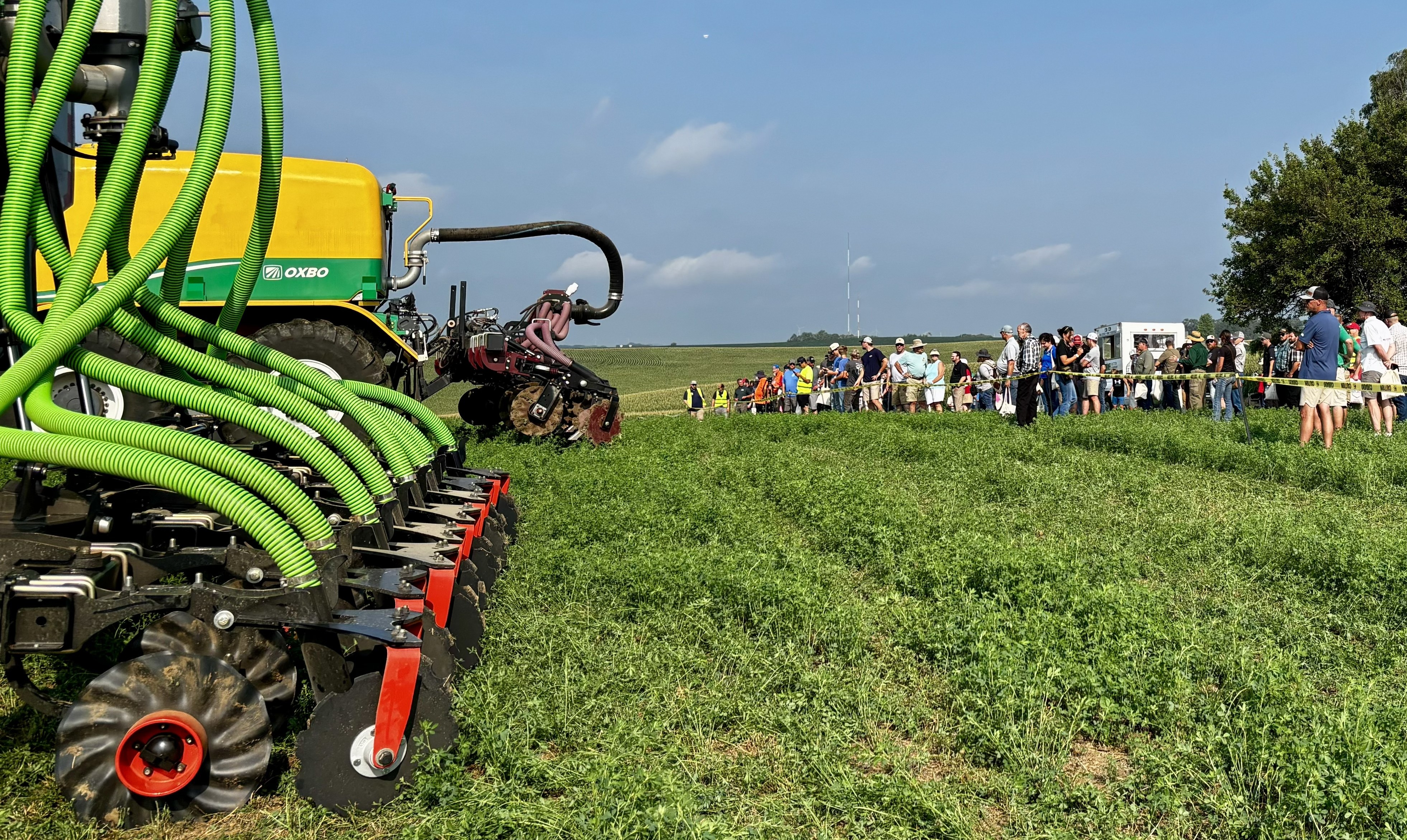
One of the best parts of my job is learning alongside producers. That’s why events like the North American Manure Expo are so valuable. The Expo brings together farmers, ranchers, researchers, industry, equipment manufacturers, agency personnel and Extension educators to exchange ideas and demonstrate new technology. You can see equipment in action, hear the latest research and have conversations with people who face many of the same challenges. Every attendee leaves with at least one idea they can take home and put into practice. I spent last week in Wayne, Nebraska, learning about the latest and greatest in the manure industry. Far and away the best part? Visiting with the boots-on-the-ground folks who make the effort to attend. To learn. To make changes. To keep up with education.
Whether it’s taking advantage of summer to prepare winter-feeding areas, choosing the right location for manure storage, calibrating a spreader before application or learning something new at the North American Manure Expo, every step matters. Individually, these practices may seem small. Together, they help producers capture more value from manure while building healthier soils and making the most of the resources they already have.
Mary Keena
Mary.Keena@ndsu.edu
Extension Livestock Environmental Management Specialist
