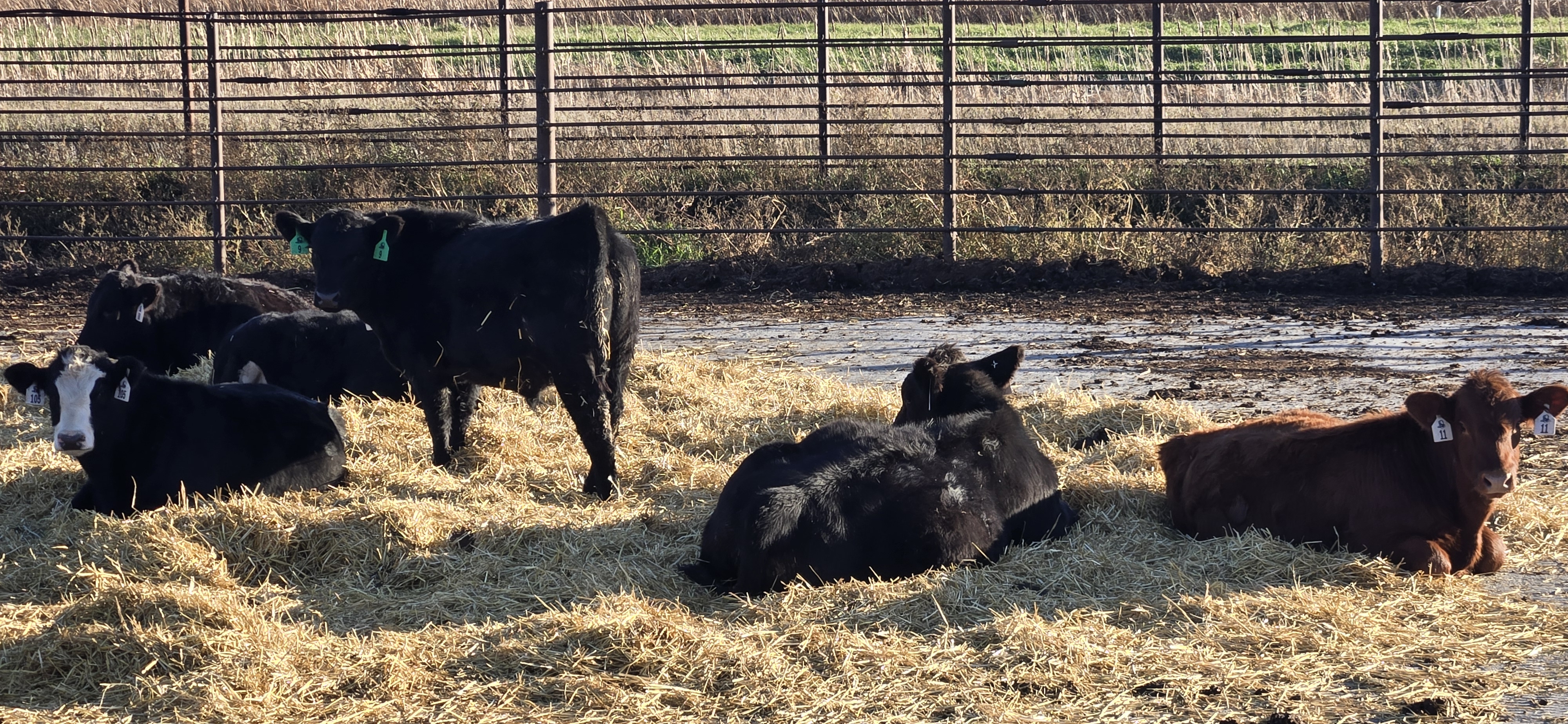
Consider backgrounding calves after weaning
For many North Dakota cattle producers, fall means weaning calves and making decisions about what comes next. Do we sell the calves at weaning, or do we keep them and put additional pounds on them before marketing? There is no single answer that works for every operation. However, backgrounding calves after weaning is an option worth considering when feed resources, cattle performance and market conditions make it profitable.
Weaning is more than separating calves from cows. It is the beginning of the next management phase and an opportunity to make decisions about calf health, nutrition, weight gain and marketing. Backgrounding calves after weaning may provide an opportunity to add value, but producers need to know their costs and have a marketing plan.
Backgrounding provides calves with a transition period between weaning and the next stage of production. Weaning is a stressful event. Calves are separated from their mothers, their diet may change, and they may be exposed to a new environment. The new environment might be a pen with feed bunks filled with feeds that smell different and a waterer unlike what they have seen before.
A well-managed backgrounding program gives calves time to adjust while establishing consistent feed and water intake. Backgrounding also allows time for the calf to overcome potential sickness and develop better immunity to diseases.
Backgrounding can prepare calves for the next step in the beef production system. Calves learn to eat from a bunk, become accustomed to a new ration and can be monitored closely for health problems. Appropriate vaccination, good nutrition, adequate water and low-stress handling are important components of a successful backgrounding program.
The goal of backgrounding is not simply to make calves gain weight. The important question is whether the added weight will pay for itself.
Feed is one of the largest expenses in a backgrounding program. Cattle feeders should know the cost of the ration and estimate average daily gain. Then the cost of gain can be calculated and compared with the expected value of the additional weight when the calves are marketed. Other costs also need to be considered, including labor, yardage, veterinary expenses, death loss and interest.
The value of the calves when they enter the backgrounding program also is important. A calf that already has a high market value requires careful consideration before additional feed costs are incurred.
Backgrounding also provides marketing flexibility. Rather than selling calves immediately after weaning, producers have an opportunity to add pounds and evaluate market conditions before deciding when to sell. However, keeping calves longer does not automatically mean greater profit. Feed prices can change, cattle performance can vary and the cattle market can move in either direction.
Before backgrounding calves, know your cost of gain, have adequate feed resources and develop a marketing plan. Backgrounding can add value when the economics work, but the decision should be based on the cost of gain, not simply weight gain.
For additional information, visit NDSU Extension’s cattle backgrounding resources: https://www.ndsu.edu/agriculture/ag-hub/ag-topics/livestock/beef/production/backgrounding-cattle
Karl Hoppe, Ph. D.
Karl.Hoppe@ndsu.edu
Extension Livestock Systems Specialist