Developmental Science Program Faculty

At NDSU, you’ll find faculty who study both socioemotional and cognitive development across a variety of ages. Rather than focus on how groups of people at different ages vary from one another, we are concerned with how individuals grow and develop over time. In particular, we focus on how this growth and development relates to family, social, and cultural contexts.

Highlights of recent faculty interests and projects include:

  • Young children’s socio-emotional development and socialization in diverse family contexts
  • Preventive interventions to promote child and adolescent optimal development and resilience
  • Contextual, cultural, and family influences on socio-emotional development in adolescence and emerging adulthood
  • Protective factors in youth development
  • Social connections and psychological well-being in later adulthood
  • Age-related differences and changes in cognitive and functional abilities

In addition, you’ll find a strong emphasis on quantitative methodologies and their application to the study of development. To be able to address research questions in developmental science, a high degree of knowledge in advanced quantitative techniques is required. Our program will provide you with those skills.


Hear what our faculty have to say

Sean Brotherson

Extension Family Science Specialist, Professor

(701) 231-6143 Core Area: Family Science; Research Interests: Parenting and fatherhood; Healthy marriages; Family stress; Rural families; Grief and bereavement; Family life education; Family policy

Heather Fuller

Professor

(701) 231-5621; Core Area: Adult Development and Aging; Research Interests: Social relationships across the lifespan (e.g. intergenerational relationships); Successful aging and health promotion; Aging in rural and cross-cultural contexts; Aging families and caregiving; Survey research and program evaluation.

Heather Fuller

Joel Hektner

Department Head/Professor

(701) 231-8269; Core Area: Child, Adolescent Development; Research Interests: Design and effectiveness of programs to prevent adjustment problems and promote well-being in children and adolescents; Peer affiliation patterns and peer influences on children's behaviors; Family and school conditions that facilitate optimal experiences (flow) and optimal development; The Experience Sampling Method

Joel Hektner

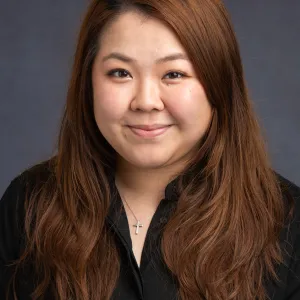
Carmen Kho

Assistant Professor

(701) 231-1823; Core Areas: Context and Diversity, Adolescence, Emerging Adulthood, Socioemotional Development; Research Interests: I apply a cultural-ecological framework to examine how cultural, family, and other contextual influences intersect with socio-emotional development of children, adolescents, and emerging adults. My research takes a normative development approach and examines developmental processes with careful consideration of contexts in which they take place (e.g., family, neighborhoods, immigrant receiving context) and the timescale in which these processes occur (e.g., moment-to-moment, day-to-day, across years).

Image of Carmen Kho

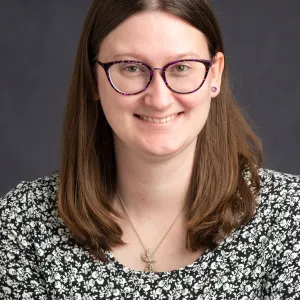
Leanna McWood

Assistant Professor

(701) 231-1826; Core Area: Adolescent Development; Contextual Influences; Research Interests: Extracurricular Involvement; Social Relationships; Contextual Influences; Sleep; Adolescent Development

Image of Leanna McWood

Melissa Lunsman O'Connor

Associate Professor

701-231-8688; Core Area: Adult Development and Aging; Research Interests: My research focuses on characterizing changes in cognitive and functional abilities across the adult lifespan, and my ultimate goal is to promote healthy aging. Specifically, my research interests include: examining age-related differences and changes in cognitive and functional abilities, such as driving, among healthy adults and clinical populations; quantitative methods and psychometrics; interventions for improving cognition, health, and everyday functioning; and attitudes toward dementia.

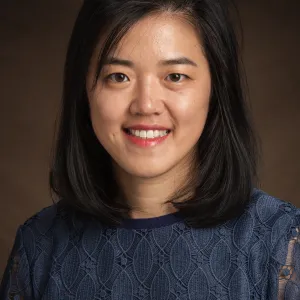
Wen Wang

Assistant Professor

(701) 231-1875; Core Area: Young children (ages 0 - 6); Research Interests: The development of young children’s mastery motivation and persistence; Cultural variances in parenting and early parent-infant communication; Prosocial behaviors and emotions towards racial ingroup and outgroup members.

Wen Wang