CourseLeaf Modules

About NDSU CourseLeaf Modules
- CourseLeaf Catalog Module (CAT) is a catalog management platform that offers NDSU a web-based solution for the editing and publication of the annual online catalog. CAT integrates with Campus Connection to maintain a single source of truth while making sure course and program information is always up to date.
- CourseLeaf Curriculum Module (CIM) is a course inventory and curriculum management platform designed for the online modification and editing of curriculum, which includes both academic programs (majors/minors/certificates) and courses. The software replaces paper editing and filing with electronic online forms and automated workflow processes at various approval levels. The online nature of the software allows for transparency during the review process and the ability to track filed proposals, automated workflows, provide notifications, and verify activity.
- CourseLeaf Section Scheduler (CLSS) is an online section scheduler that centralizes and manages NDSU's course schedule across departments while maximizing class placement to drive student success. The platform eliminates manual data entry, streamlines schedule creation and changes, validates schedule submissions against NDSU policies, configures meeting patterns, and enhances section schedule data reporting.
CourseLeaf Access & Contact Information
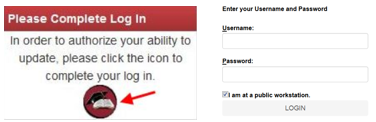
CourseLeaf integrates with existing campus authentication and uses your NDSU electronic ID. The same electronic ID used for logging into campus computers. For assistance with access to CourseLeaf, please contact the Office of Registration and Records at 701-231-7981.
CourseLeaf Availability, Deadlines for Submissions, and Effective Dating of Programs/Courses
Availability
The CourseLeaf CIM module is available during the academic calendar year as follows:
- September - Mid-March — New and existing program and course proposals may be submitted during this time for review
- Mid-March - May — Submitted proposals may continue to be approved and advance through to the final Faculty Senate meeting of the academic year
- June - August — the system is unavailable for annual maintenance
The CourseLeaf CLSS module is open twice a year for Fall and Spring/Summer course schedule creation. The deadlines are published on the CourseLeaf/CLSS - Instances page.
Deadline
Proposal submission is March 15 (if this date lands on a weekend, the prior Friday is the deadline). Proposals started in workflow by this date will continue to be advanced through the approval process.
Effective Dating
- New programs and edits to existing programs go into effect the fall of each academic year.
- New courses or changes to existing courses go into effect the fall of the next academic year.
Procedures/Steps for Submitting Proposals
Individual faculty or academic departments typically initiate the proposal (occasionally requests may be initiated at another level). The Channels for Curricular Approval/Governance (link) document may be viewed to determine through what level approval is needed. Instructions below are also available as a PDF.
| Step One: |
Select the option below to open the CIM module for either programs or courses: |
|---|---|
| Step Two: |
|
| Step Three: |
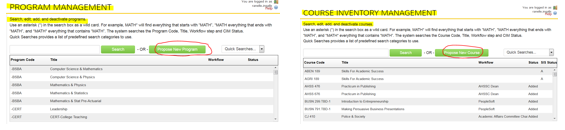
The COURSE INVENTORY MANAGEMENT or PROGRAM MANAGEMENT screen will load. Use the search criteria instructions on the page to access existing courses or programs, click the program when located and begin editing by clicking the green Edit Program button. For a new program or course, click the green Propose New Program or Propose New Course button.
|
| Step Four: |
An electronic form will open in a new window. Using the various drop-down fields, radial buttons, and text boxes, complete the proposal information.
|
| Procedures/Steps for Reviewers |
Once Start Workflow is begun, each proposed program/course travels through a workflow of reviewers. The workflow process is adopted from Faculty Senate bylaws, ensuring that each program/course is properly reviewed and vetted by NDSU academic departments, the University Curriculum Committee and Faculty Senate.
|