One School. Multiple Disciplines.
The School of Design, Architecture and Art (SoDAA) at North Dakota State University brings together creative thinkers, problem-solvers, and future leaders across the built and designed environment. With more than 800 students, three departments and nine distinct programs, SoDAA functions as one collaborative school, uniting diverse disciplines under a shared commitment to innovation, community and design excellence.

A Collaborative Design Community
SoDAA is home to:
- Architecture & Interior Design
- Art & Design+
- Landscape Architecture, Disaster Resiliency & Emergency Management
Together, these programs address complex challenges in the built and natural environments, from shaping cities and interiors to designing communication systems, resilient landscapes and emergency response strategies.
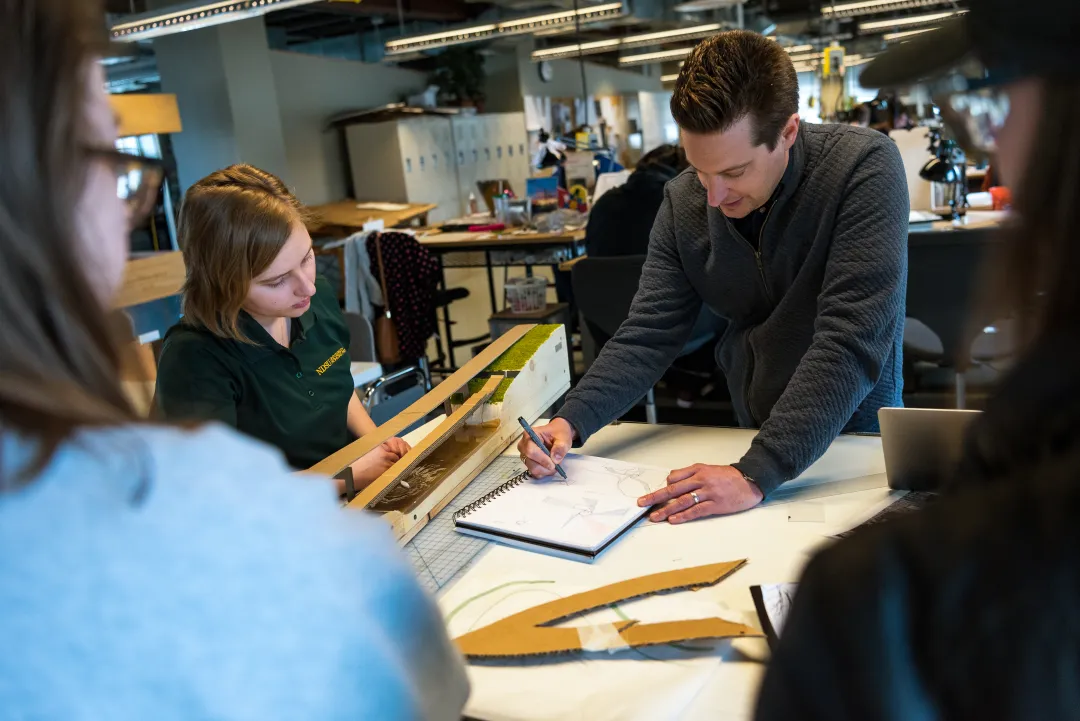
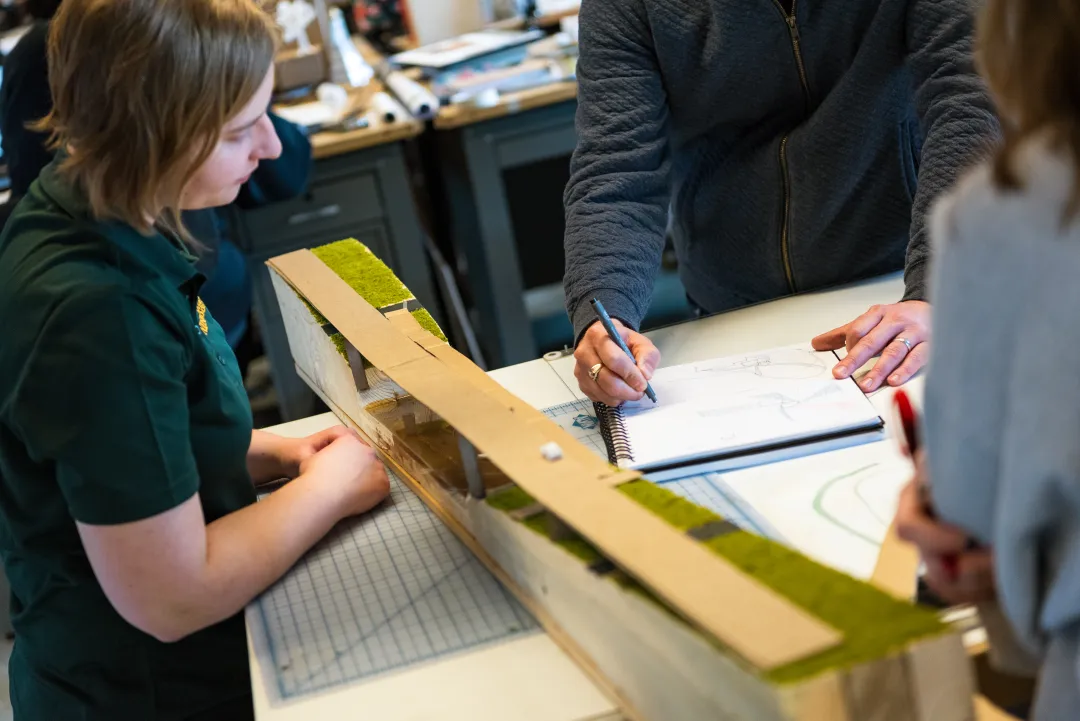
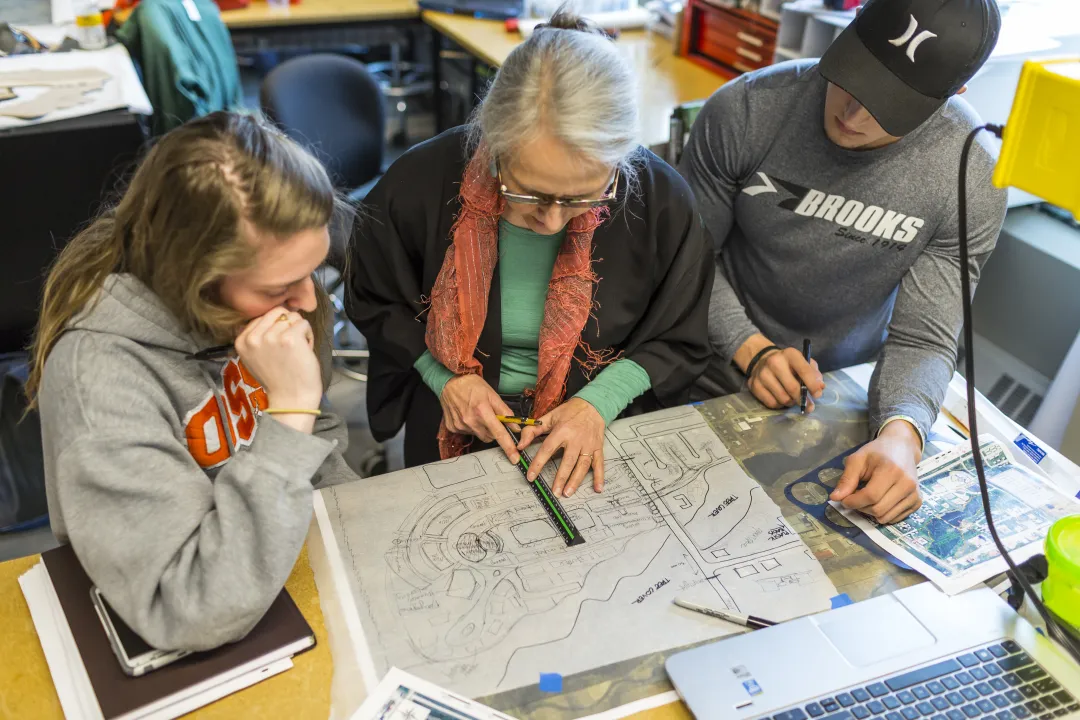
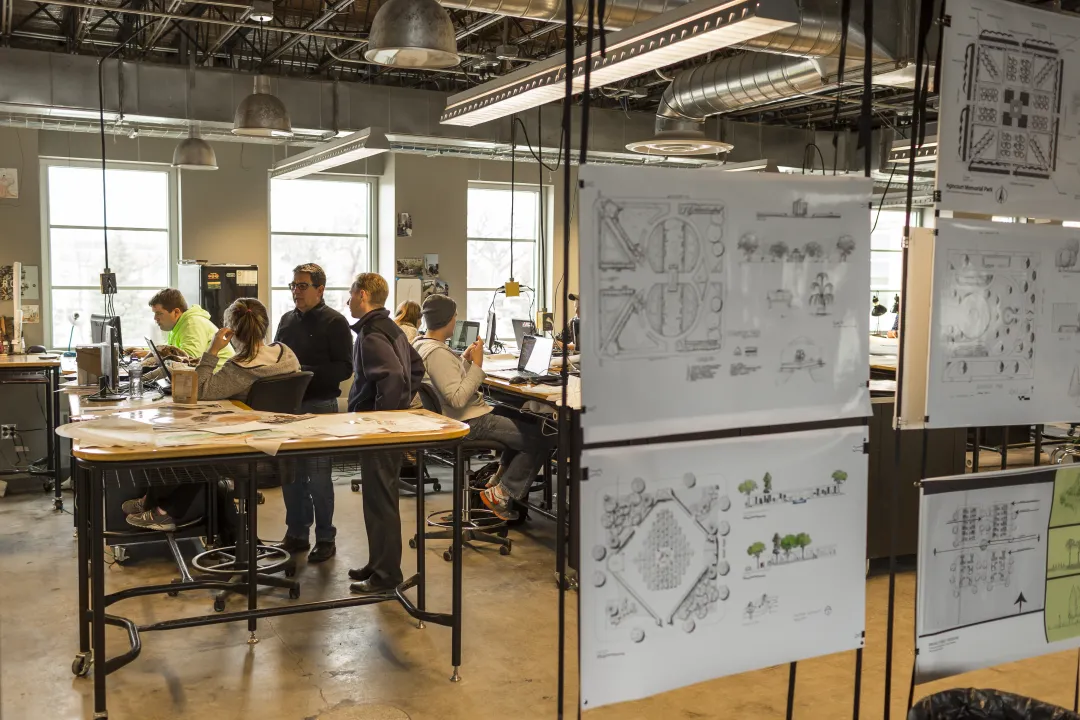
Students are encouraged to move beyond disciplinary boundaries. Many take courses across programs, pursue dual majors or collaborate in shared studios and projects, such as combining graphic design with landscape architecture or architecture with resiliency planning. This cross-disciplinary approach prepares graduates to lead in a world where design, sustainability and community impact are deeply interconnected.

Department of Architecture & Interior Design
The Department of Architecture and Interior Design has been in existence for over 100 years and features accredited programs in both Architecture and Interior Design.
Department of Art & Design+
The Department of Art & Design plus includes degrees that support careers in Graphic Design/Illustration, Apparel, Retail Merchandising and Design, Art Education and Studio Practice.
Landscape Architecture, Disaster Resiliency and Emergency Management
LADREM is home to robust undergraduate and graduate degrees in Landscape Architecture, Emergency Management and Geographic Information Systems.