

Power line safety critical during harvest
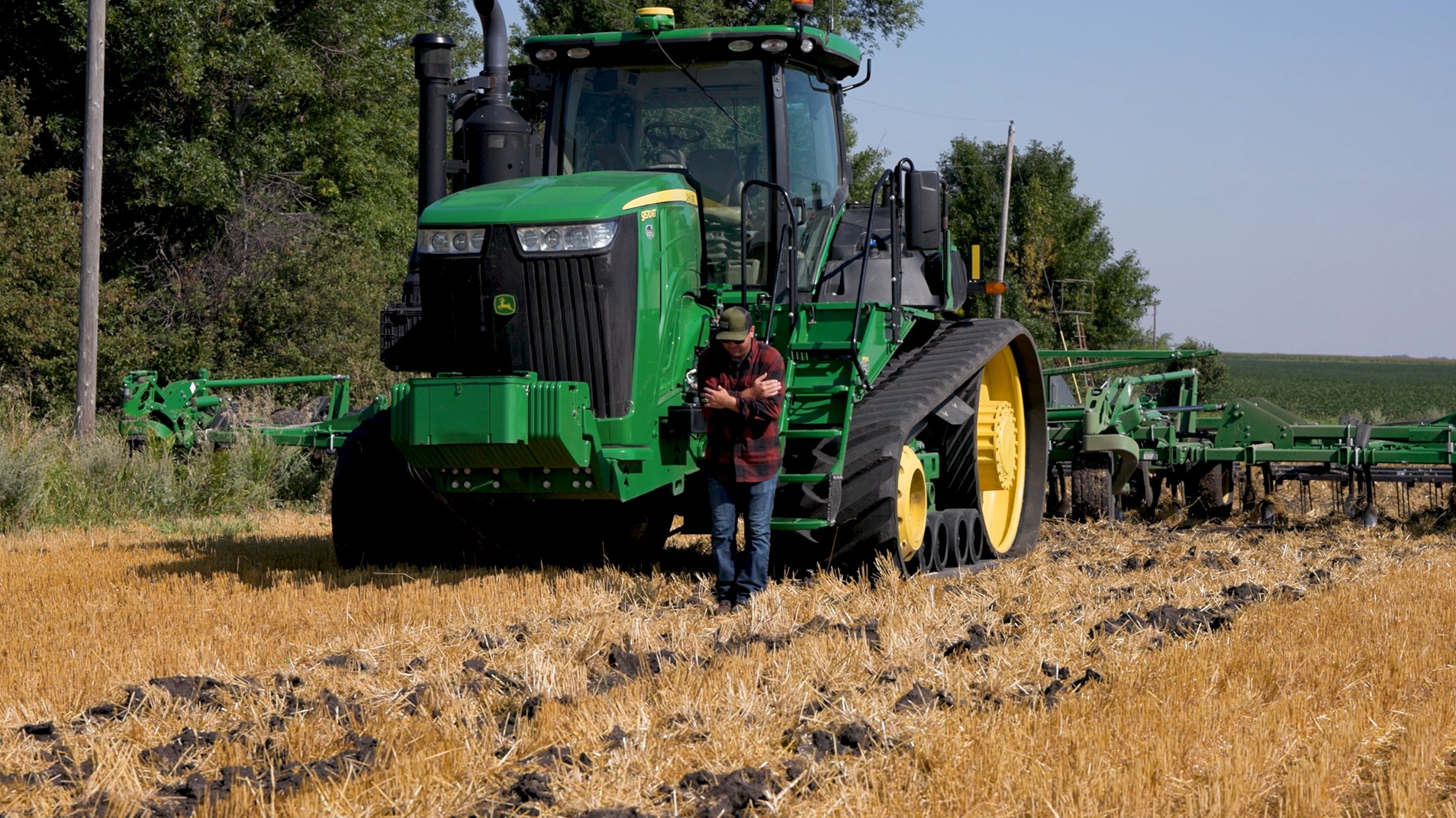
As North Dakota producers work to get crops out of the field, farmers must watch for overhead power lines and poles when operating combines, grain carts and other large farm machinery.
Harvest is a busy time, and large equipment can make it difficult to see just how close you are to a power line.
A moment of inattention around electrical infrastructure can have deadly consequences. As farm equipment grows larger and automation becomes more common, the risk of contacting overhead power lines, poles and guy wires increases.
Producers are focused on getting the crop harvested, but taking a few seconds to identify power lines and plan equipment movement can prevent a life-threatening incident. Never assume there is enough clearance just because you have traveled that route before. Know where the wires are, know the height of your equipment and take time to watch the wires.
Safety measures before heading to the field
- Look up and plan your route. Identify overhead power lines, poles and guy wires before entering a field, especially when using a new field entrance or traveling an unfamiliar route.
- Know your equipment’s height. Combines, grain carts, augers and other equipment can reach power lines when unloading, raising or folding components. Know the height and reach of your machinery, including antennas and extended equipment.
- Lower and retract equipment before moving. Make sure augers, booms and other raised components are fully lowered or secured before traveling near overhead lines.
- Maintain safe clearance. Keep at least 10 feet between equipment and power lines or poles. Some equipment and situations require greater clearance. If unsure whether equipment can safely pass beneath a line, contact the electric utility before proceeding.
- Use a spotter when needed. Have someone on the ground help identify hazards in areas where visibility is limited. Remember that GPS and autosteer systems do not replace the need to watch for electrical infrastructure.
- Communicate hazards. Tell family members, employees and other operators where power lines and guy wires are located. Reassess routes when equipment changes or conditions differ from previous trips.
What to do if machinery contacts a power line
If farm machinery contacts an overhead power line, stay in the cab and call 911. The equipment may become energized, and the ground around it can also carry dangerous electrical current.
- Stay inside the equipment. Do not climb down or touch the ground and machinery at the same time. Remain in the cab until emergency responders or utility personnel confirm it is safe to exit.
- Call 911. Report the incident and provide the location. If possible, contact the local electric cooperative or utility as well.
- Warn others to stay away. Keep people and other vehicles at least 35 feet away from the equipment, downed wires and the surrounding hazard area. Never approach a downed power line, even if it does not appear energized.
- Exit only if there is an immediate danger, such as fire. If you must leave because the equipment is burning, jump clear of the machine without touching the equipment and the ground at the same time. Land with both feet together, then shuffle or hop away with your feet together until you are at least 35 feet away. Do not return to the equipment.
Electrical hazards are not always visible. A power line may energize equipment or the ground without producing sparks or other obvious warning signs. Touching energized equipment while standing on the ground can allow electricity to travel through the body. Similarly, taking normal steps near a downed line can expose a person to dangerous differences in electrical voltage across the ground, a hazard known as step potential.
If you see a downed line or damaged electrical infrastructure, stay at least 35 feet away, keep others clear and call 911 or the local electric utility. Never attempt to move a line or rescue someone by approaching energized equipment.
Electricity does not have to be visible to be dangerous. The safest approach is prevention. If contact occurs, staying in the cab and keeping others away can save lives.
