Winter Tractor Safety: Small Preparations Can Prevent Big Problems
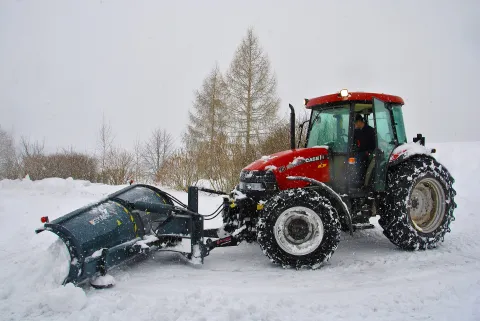
Snow, ice and bitter cold don't just make winter chores uncomfortable. They can also create serious hazards for tractor operators. According to Angie Johnson, farm and ranch safety coordinator with North Dakota State University Extension, winter conditions require operators to adjust both maintenance and driving practices to stay safe and keep equipment running reliably.
Why Winter Is Hard on Tractors
Cold temperatures affect nearly every part of a tractor. Fuel can gel, batteries can weaken, tire pressure can drop and traction can disappear on snow-covered or icy surfaces. These conditions can lead to breakdowns, delays and increased risk of injury.
The good news? A few preventative steps before and during winter can help avoid many common problems.
Start With the Right Fuel
One of the biggest winter challenges for diesel-powered tractors is fuel gelling. Standard summer diesel contains paraffin wax that can solidify as temperatures fall, clogging filters and preventing the engine from running.
Winter Fuel Tips
- Use winter-grade diesel fuel.
- Keep emergency fuel additives and replacement filters available.
- Maintain at least a half tank of fuel to help prevent freezing and gelling.
- Fill fuel tanks before winter storms or potential power outages.
Help Your Tractor Start in Cold Weather
A block heater can make the difference between a tractor that starts and one that doesn't. Block heaters warm the engine, making cold-weather starts easier and reducing strain on equipment.
Before Starting
- Follow manufacturer recommendations for block-heater use.
- Check your operator's manual for glow-plug instructions.
- Keep a spare block-heater cord on hand.
- Allow the tractor to warm up before putting it to work.
It's also important to test antifreeze protection and replace weak batteries before they fail in extreme cold. Repeated jump-starts can create safety risks, including potential battery explosions.
Don't Overlook Tires and Traction
Cold weather lowers tire pressure and reduces traction, especially on snow and ice.
Check Before You Go
- Verify tire pressure matches manufacturer recommendations.
- Inspect tires for excessive wear or cracking.
- Consider tire chains on two-wheel-drive tractors when conditions are slippery.
- Keep loads low and travel slowly when moving feed, hay or snow.
Prevent Slips, Trips and Falls
Getting into and out of a tractor can become hazardous when steps are covered in snow and ice. Slips and falls are among the most common farm injuries and are often preventable.
Safe Habits
- Remove snow and ice from steps before climbing.
- Maintain three points of contact.
- Wear footwear with good traction.
- Never jump from the tractor when dismounting.
Stay Aware of Your Surroundings
Winter conditions can reduce visibility and increase stopping distances. Compacted snow and ice may prevent a tractor from stopping quickly, while loader attachments and hay bales can block the operator's view.
Before moving equipment:
- Check for children, workers, livestock and pets.
- Allow extra time to complete tasks.
- Adjust expectations for work pace during severe weather.
Dress for the Walk Back
Even if the tractor cab is warm, operators should be prepared for the weather outside. If equipment breaks down or fuel gels, proper winter clothing may be essential for getting home safely.
Related: Learn more about winter weather preparedness through NDSU Extension's winter weather resources.
Reviewed Nov. 2026