

Pollinator Gardening
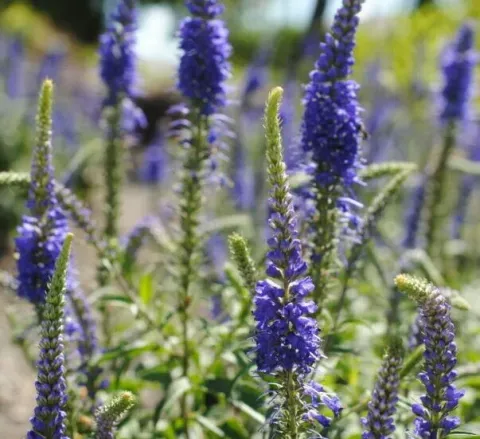
Across North America and world-wide, pollinators are in decline due to multiple, overlapping challenges. Urban development and large-scale agriculture reduce nesting sites and floral resources. Large areas of turf, pavement, and monoculture crops create “gaps” between the wild spaces pollinators depend on. Insecticides, particularly neonicotinoids, can harm pollinators directly or indirectly by contaminating nectar and pollen. Shifts in temperature and rainfall affect bloom times and disrupt the synchronization between plants and pollinators, making resources scarce.
For More Information on becoming a
Cerfified NDSU Pollinator Garden:
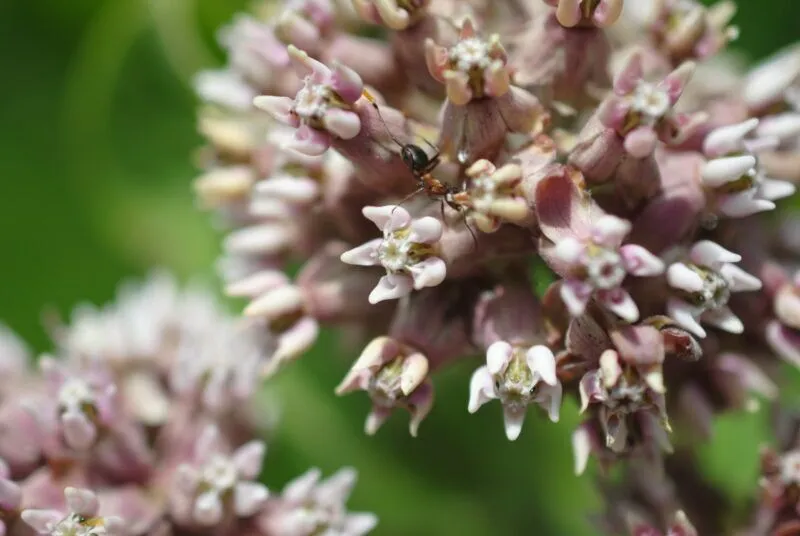
Milkweed
Milkweed is a host plant for monarch butterflies and is essential for the continuation of the species. Monarch larvae eat milkweed leaves exclusively to survive; cardenolides within milkweed sap give larvae a remarkably disgusting taste and make them toxic to predators.
Adult monarchs do not feed on milkweed leaves, but forage for nectar from flowering plants instead. To support monarchs during their seasonal migration up and down North America, include a series of plants in your garden which will provide nectar resources from May-October.
